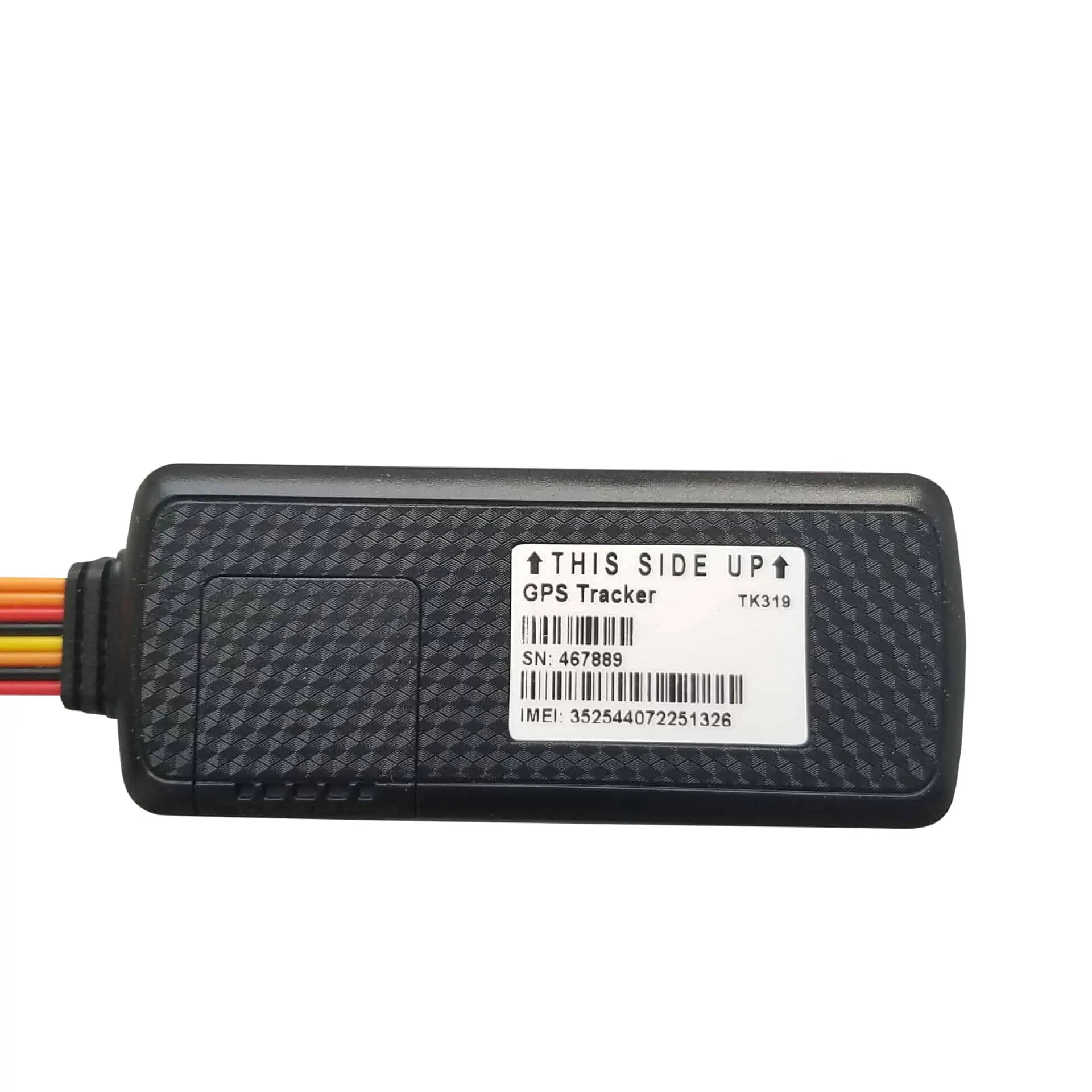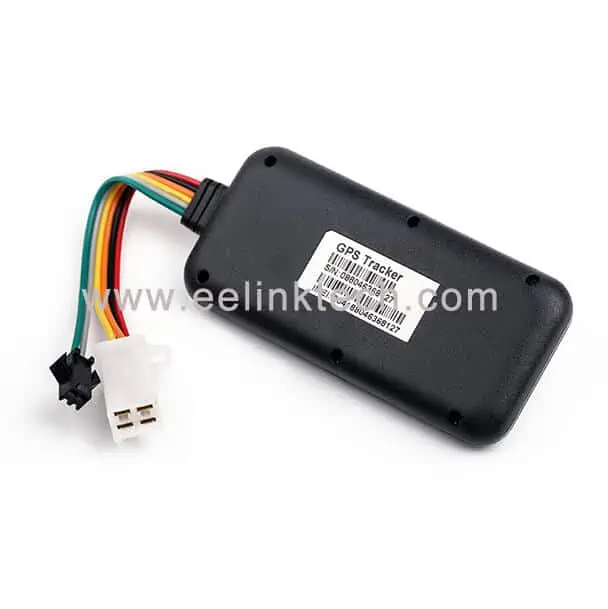
Ocean Container Data Logger Limits: What IMDG 5.5.4 Requires, and What Your Carrier Adds
Educational content on transport regulation, not dangerous goods advice. Classification and acceptance for any specific shipment belong to DG-trained staff and the carrier, working from the current IMDG Code text and the carrier’s own terms.

A programme that has been flying its loggers for two years puts the same devices in a container. The question that comes back has a different shape. On the air side the answer is a pair of numbers you can read off a battery specification. On the water the answer starts with where the device sits, and section 5.5.4 adds three named criteria with a compliance date attached.
Two numbers do most of the work in this conversation, and they make it harder rather than easier. Under 100 Wh per device, no more than 35 devices per container: those come from a carrier advisory, not from the Code. Neither figure appears in IMDG 5.5.4. What that section states instead is a set of device criteria, and a date by which devices attached directly to a container have to meet them.
What does IMDG 5.5.4 require of a cargo tracking device?
IMDG Code 5.5.4 has been mandatory since 1 January 2026 under Amendment 42-24. Devices containing dangerous goods that are in use or intended for use during transport fall outside the Code, other than the requirements set out in 5.5.4.1.1 to 5.5.4.5. Section 5.5.4 states no watt-hour limit, no lithium content limit and no device count. Devices attached directly to a cargo transport unit must meet temperature class T4, equipment group IIB and IP65 from 1 January 2028, and not later than 1 January 2032 for fixed devices on or in reefer containers.
The governing text is the IMDG Code at 5.5.4. IMO Resolution MSC.556(108) carries the amended wording. The heading reads “Devices containing dangerous goods, which are in use or intended for use during transport”. Amendment 42-24 became mandatory on 1 January 2026.
The opening paragraph does the exempting. Devices in use or intended for use during transport containing dangerous goods, such as data loggers, sensors and cargo tracking devices, attached to or placed in packages, overpacks, bulk containers, freight containers or other types of cargo transport units, are not subject to the provisions of the Code other than the requirements set out in 5.5.4.1.1 to 5.5.4.5.
Three conditions follow. The device has to be in use or intended for use during transport. The contained dangerous goods, the Code gives lithium batteries and fuel cell cartridges as its examples, have to meet the applicable construction and test requirements specified in the Code. And the device has to be capable of withstanding the shocks and loadings normally encountered during transport, and be safe for use in the dangerous environments to which it may be exposed.
Then comes the carve-out, familiar to anyone who has read the air rule. When such a device travels as a consignment, the relevant entry of the Dangerous Goods List in chapter 3.2 applies, and so does the rest of the Code. A box of spare loggers moving to restock a pool is cargo, not monitoring equipment, and it goes down the ordinary route by chemistry.
The numbers in a carrier advisory are not in the Code
Read 5.5.4 end to end and there is no energy ceiling in it. No 20 Wh, no 100 Wh, no gram figure for lithium metal, and no maximum number of devices per package or per container. The battery requirement it does state, at 5.5.4.1.2, is the construction and test one. That points back into the Code’s own provisions, which have to be read where they sit rather than inferred from this section’s silence.
Those two figures have a source, and it is not this section. Maersk’s customer advisory of 20 January 2026 asks that “each device has a maximum energy capacity of less than 100 Wh” and that “no more than 35 devices per container are used”. It names IEC 60079 for equipment in explosive atmospheres and IEC 60529 for degrees of protection. It also states that “customers remain responsible for ensuring that any tracking device or data logger placed inside a container meets the above requirements”.
Both sets of requirements bind, and they bind differently. One is a regulation with an amendment cycle, a resolution number and a date on which it became mandatory. The other is a term of carriage. It changes when the carrier changes its terms. It puts the verification duty on the customer in writing, for any tracking device or data logger placed inside a container. A programme moving across two carriers is reading the Code plus each carrier’s terms.
The contrast with air freight is sharper than it looks. There the numbers sit in the regulation. The 2026 IATA data logger exception caps a lithium ion cell or battery at 20 Wh, a lithium metal cell at 1 g of lithium and a lithium metal battery at 1 g aggregate. It also holds device quantity to the number required to track the consignment. Move the same hardware to a container and those particular numbers are not what 5.5.4 asks about.
Where the device is attached decides which paragraph applies
Fitting position routes a device between two of the paragraphs below. It does not route every device. Paragraph 5.5.4.1 also covers devices merely placed in a unit, and one of those can sit under the opening conditions without landing in either paragraph.
Attached to packages and overpacks inside a closed unit
Data loggers, sensors and cargo tracking devices attached to packages and overpacks in a closed cargo transport unit are subject to 7.3.5 when dangerous goods are transported in that cargo transport unit.
The trigger here is explicit: it applies when dangerous goods are in that unit.
Attached directly to the interior or exterior of the unit
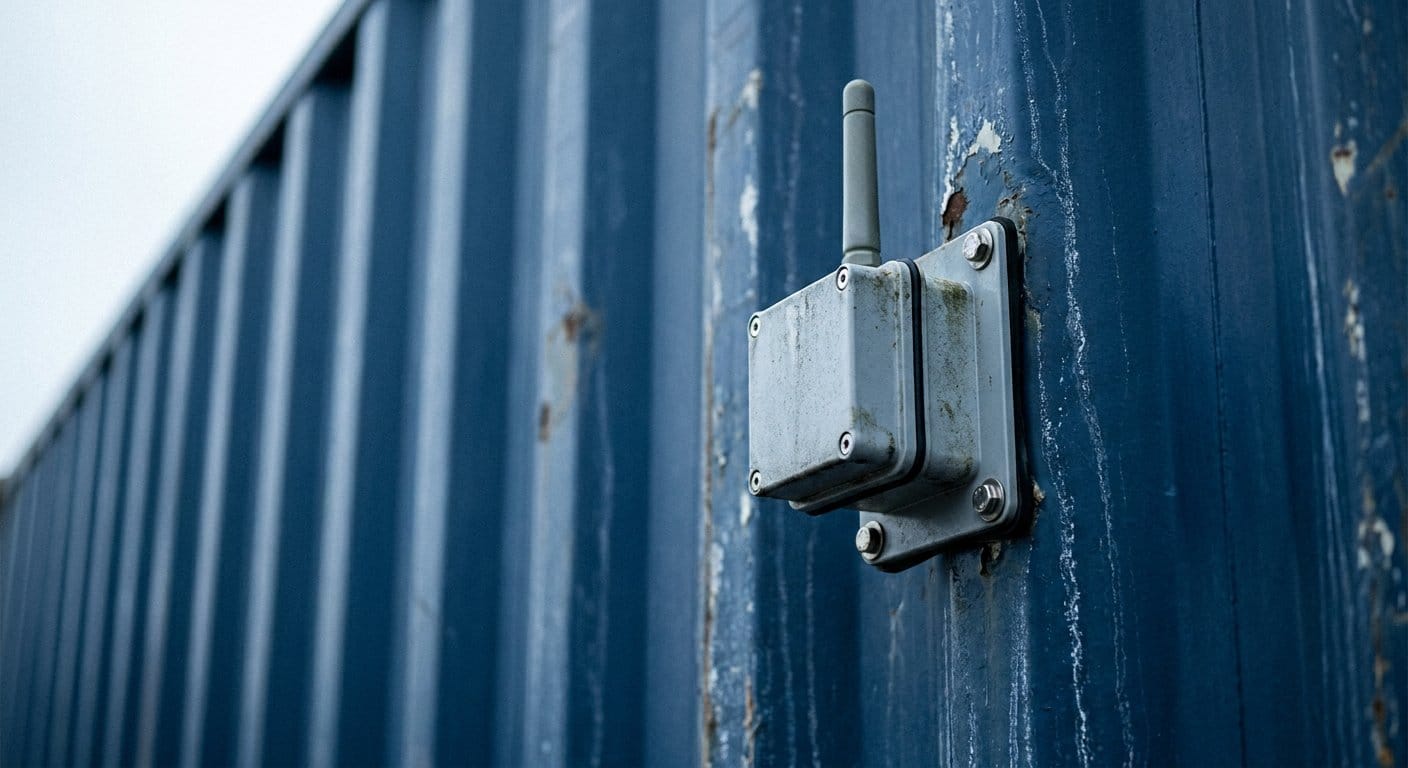
Devices attached directly to the interior or exterior of cargo transport units shall comply with temperature class T4, equipment group IIB and degree of protection IP65, as found in IEC 60079-0:2017 and IEC 60529:2013.
This paragraph carries no equivalent “when dangerous goods are transported” condition on its face.
That difference in drafting is worth pausing on. Paragraph 5.5.4.3 is expressly conditioned on dangerous goods being carried in the unit. Paragraph 5.5.4.4 carries no such condition on its face. Two of its three criteria use explosive-atmosphere vocabulary, and the whole of 5.5.4 covers devices that themselves contain dangerous goods. Where the answer has commercial consequences, that is a question to put to DG-trained staff and to the carrier in writing rather than to settle from a reading.
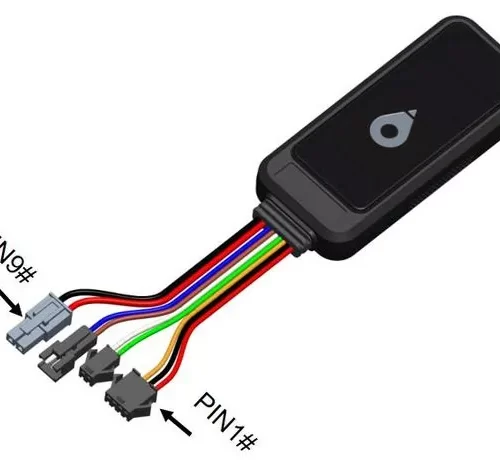
What is not ambiguous is the practical shape of it. A tag taped to a carton inside the box and a tracker bolted to the container wall are, under this section, two different objects with two different obligations. Teams that standardised on one device for both jobs carry the stricter requirement, priced or not.
T4, IIB and IP65: what the three criteria ask of the hardware
The three criteria in 5.5.4.4 are quoted from IEC standards and each one is doing specific work.
Temperature class T4
The device maximum surface temperature attained in service under the most adverse conditions is 135 °C or less. This is a surface temperature limit rather than an operating temperature range. The Code uses the phrase “under the most adverse conditions” without defining which conditions those are, which is something to settle with whoever assesses the device.
Equipment group IIB
The device is intended for use in places with an explosive gas atmosphere other than mines susceptible to firedamp, and in explosive gas atmospheres other than those containing hydrogen. That is the vocabulary of explosion-protected equipment. What 5.5.4.4 asks for is compliance with the criterion as the Code states it. The paragraph does not prescribe third-party certification, a test-house file or a marking string, and the Code defines each of the three criteria in its own text. The paragraph does not say what evidence establishes compliance.
Degree of protection IP65
The enclosure protects internal equipment against ingress of dust and against harmful effects due to water jets against the enclosure from any direction. IP65 is an ingress rating rather than an explosion-protection one, and it is the criterion an existing enclosure test report may already speak to. Worth checking rather than assuming.
The Code adds a note for one case: for devices in a reefer controller box, the IP65 requirement is complied with when the casing of the controller box conforms to it. The note is about that casing conforming, and nothing wider.
| Question | Air: IATA DGR 1.2.7.1(i) | Sea: IMDG 5.5.4 |
|---|---|---|
| Energy ceiling on the installed battery | 20 Wh for a lithium ion cell or battery | Not stated in 5.5.4 |
| Lithium metal ceiling | 1 g per cell, 1 g aggregate per battery | Not stated in 5.5.4 |
| Maximum number of devices | No more than the number required to track the consignment | Not stated in 5.5.4 |
| Explosion protection of the device | Not addressed in 1.2.7.1(i) | T4 and group IIB for devices attached directly to the unit, from 1 January 2028; not later than 1 January 2032 for reefer-fixed devices |
| Enclosure protection | Not addressed in 1.2.7.1(i) | IP65 for devices attached directly to the unit, from 1 January 2028; not later than 1 January 2032 for reefer-fixed devices |
| Devices shipped as cargo | Exception does not apply; PI 967, 970 or 978 | Exception does not apply; Dangerous Goods List entry and full Code |
The dates: 1 January 2028, and 2032 for reefer-fixed devices
Paragraph 5.5.4.5 supplies the timetable. Devices subject to 5.5.4.4 comply with those requirements from 1 January 2028, with the exception of fixed devices on or in reefer containers, which comply as soon as possible but not later than 1 January 2032.
Read as a hardware programme rather than as a compliance memo, 2028 is not far away. A surface-temperature limit and an equipment-group criterion are design inputs, not paperwork produced at the end. They reach enclosure design, thermal behaviour, battery selection and any external connector. A device meant to be attached directly to containers by then carries those criteria into its design now, or into a redesign later.
The air rule asks a question about a battery. For a device attached directly to a container, 5.5.4.4 asks three questions: how hot the surface gets, which atmosphere the device is built for, and what the enclosure keeps out.
For fixed devices on or in reefer containers the Code asks for compliance as soon as possible, and names 1 January 2032 as the limit rather than the target.
What this changes in a hardware shortlist
The useful question to a supplier is no longer only about watt-hours. It is which of the two paragraphs the intended fitting falls under, and what evidence exists for the criteria that paragraph brings with it.
For a device destined to be attached directly to a unit, the evidence worth having is whatever supports each of the three criteria against the editions the Code names. The enclosure test report behind the IP65 claim. The surface-temperature evidence for T4. And whatever the supplier relies on for the equipment-group criterion. An IP65 line on a datasheet speaks to one criterion of the three.
For a device riding on the cartons inside a closed unit, the fitting question moves to where the sensing point sits relative to the load. Paragraph 5.5.4.3 then routes that case to 7.3.5 when the unit carries dangerous goods, and 7.3.5 is a provision to read in the Code rather than to summarise from here. The opening conditions in 5.5.4.1 apply either way.
Eelink designs tracking and monitoring hardware in Shenzhen. Current production output: approximately 300,000 devices per month across Eelink’s manufacturing operations in China and Vietnam. Management systems are certified to ISO 9001, ISO 14001 and IATF 16949. Product-level market-access credentials such as FCC authorization, CE marking and PTCRB certification vary by SKU and configuration. Explosion-protection certification is a per-design question. For any given model the honest answer is the certificate or its absence, never a general claim about the range.
Frequently Asked Questions
Does IMDG 5.5.4 set a watt-hour limit for data loggers?
No. Section 5.5.4 states no watt-hour limit and no lithium content limit. The battery requirement it does state is that the contained dangerous goods meet the applicable construction and test requirements specified in the Code, and those are read where they sit rather than inferred from this section. The 20 Wh and 1 g figures belong to the air rule.
Where does the “35 devices per container” figure come from?
From a carrier advisory rather than from the IMDG Code. Maersk published that figure, together with a request that each device have a maximum energy capacity of less than 100 Wh, on 20 January 2026. Other carriers set their own terms, so the applicable number is the one in the terms of the carrier actually moving the container.
Does IMDG 5.5.4 require an explosion-protection certificate?
The paragraph states three criteria for devices attached directly to a cargo transport unit, temperature class T4, equipment group IIB and degree of protection IP65, as found in IEC 60079-0:2017 and IEC 60529:2013, and it defines each of them in the Code text. It does not prescribe a certification scheme or a marking string. What a given buyer asks to see is a commercial question; the criteria themselves are stated in the Code.
When do the IEC criteria in 5.5.4.4 take effect?
Devices subject to 5.5.4.4 comply from 1 January 2028. Fixed devices on or in reefer containers comply as soon as possible, and not later than 1 January 2032.
Does the sea exception still apply when loggers are shipped as stock?
No. When a device containing dangerous goods is transported as a consignment, the relevant entry of the Dangerous Goods List in chapter 3.2 is used and all applicable provisions of the Code apply. That mirrors the treatment of stock and spares movements on the air side.
Key Takeaways
Section 5.5.4 states no energy numbers. No watt-hour ceiling, no lithium content ceiling and no device count, which is the opposite of how the air exception is built.
The numbers you were quoted are contractual. Under 100 Wh and no more than 35 devices per container come from a carrier advisory dated 20 January 2026. Terms of carriage change on a different clock from an IMO amendment.
Fitting position selects the paragraph. Attached to packages inside a closed unit points to 5.5.4.3; attached directly to the unit points to 5.5.4.4 and its IEC criteria.
T4, IIB and IP65 are criteria the Code defines. The paragraph names the IEC editions they come from and stops there; it does not prescribe certification, and it does not say what evidence establishes that a device meets them.
The deadline is a design deadline. 1 January 2028 for devices subject to 5.5.4.4, and not later than 1 January 2032 for fixed devices on or in reefer containers.