Cold Chain Data Logger vs Real-Time Tracker: Which Does Your Lane Need?
This article compares two categories of cold chain monitoring hardware — BLE data loggers and real-time cellular trackers — using Eelink’s BTT02 and GPT45-M as reference designs. Eelink manufactures both categories. The comparison aims to help teams match hardware to lanes, not to declare one category the winner. Specifications cited are from the current product pages and datasheets.
Every cold chain hardware evaluation reaches the same fork. One path leads to a data logger: cheap, thin, silent, read out at destination. The other leads to a real-time cellular tracker: live position and alarms, at a higher cost per unit. Teams often frame this as a budget question. It is really a lane question.
This comparison walks through what each category actually does and where each one earns its cost. It also shows how the two combine when a program needs both unit-level records and in-transit visibility on the same shipment.
What Is the Difference Between a Cold Chain Data Logger and a Real-Time Tracker?
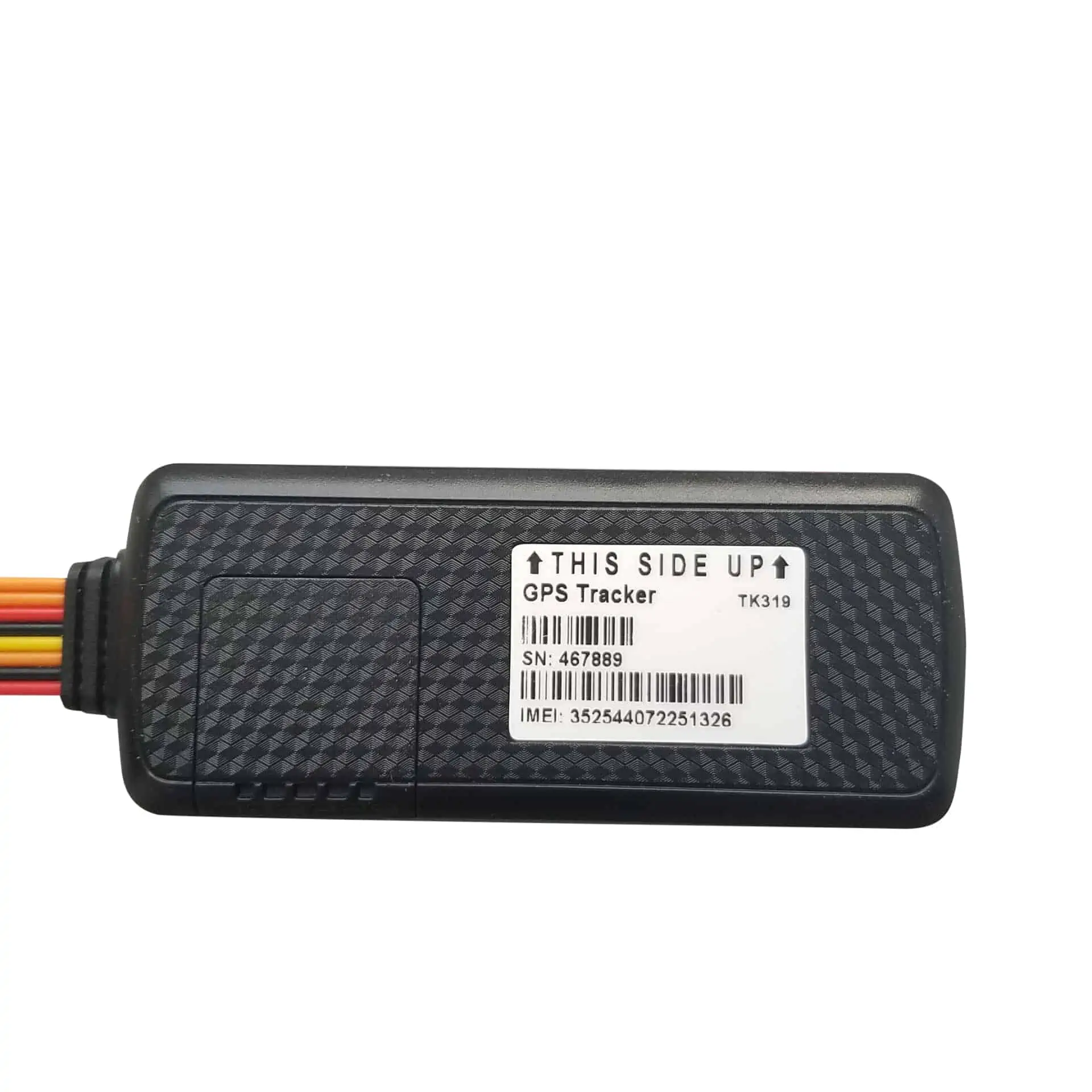
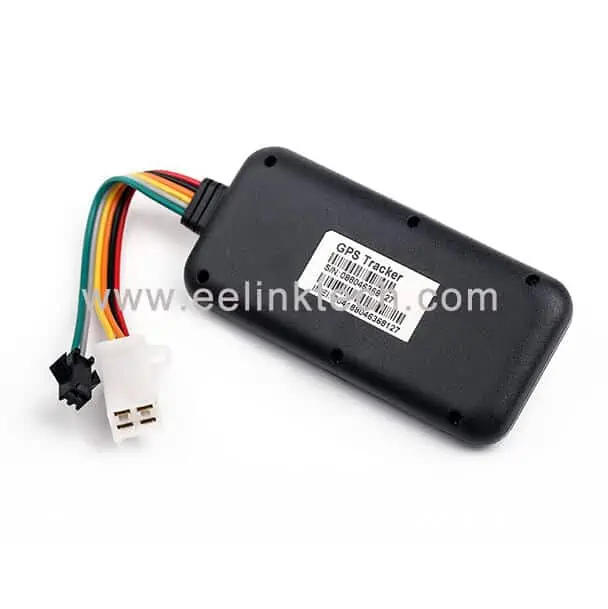
A cold chain data logger records conditions locally and reveals them when someone reads the device — by app, gateway, or download at destination. A real-time tracker transmits conditions and position over cellular networks during the trip. The logger produces a record; the tracker produces a record plus the chance to intervene.
The two categories differ in three structural ways. First, radio. Loggers use short-range Bluetooth Low Energy, standardized by the Bluetooth SIG. Trackers use licensed cellular networks — LTE-M, NB-IoT, and 2G fallback, standardized by 3GPP. Second, power. A BLE logger transmits briefly and sleeps between events, so its average current stays tiny and a small cell lasts years. A cellular tracker spends most of its energy budget on higher-current registration and transmission bursts. Third, timing. A logger’s data, on its own, arrives after the fact. A tracker’s data can arrive while the load can still be saved — at a cadence set by its reporting profile and network coverage.
Neither structure is better. They answer different questions. “What happened to this carton?” is a logger question. “What is happening to this pallet right now, and where is it?” is a tracker question.
When Is a BLE Data Logger the Right Tool?
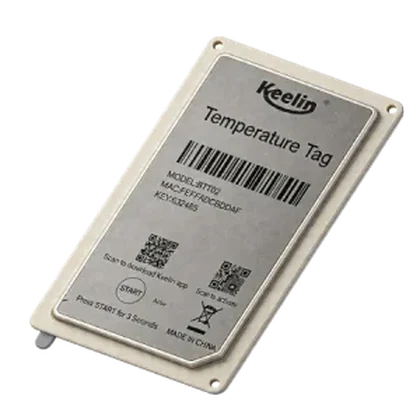
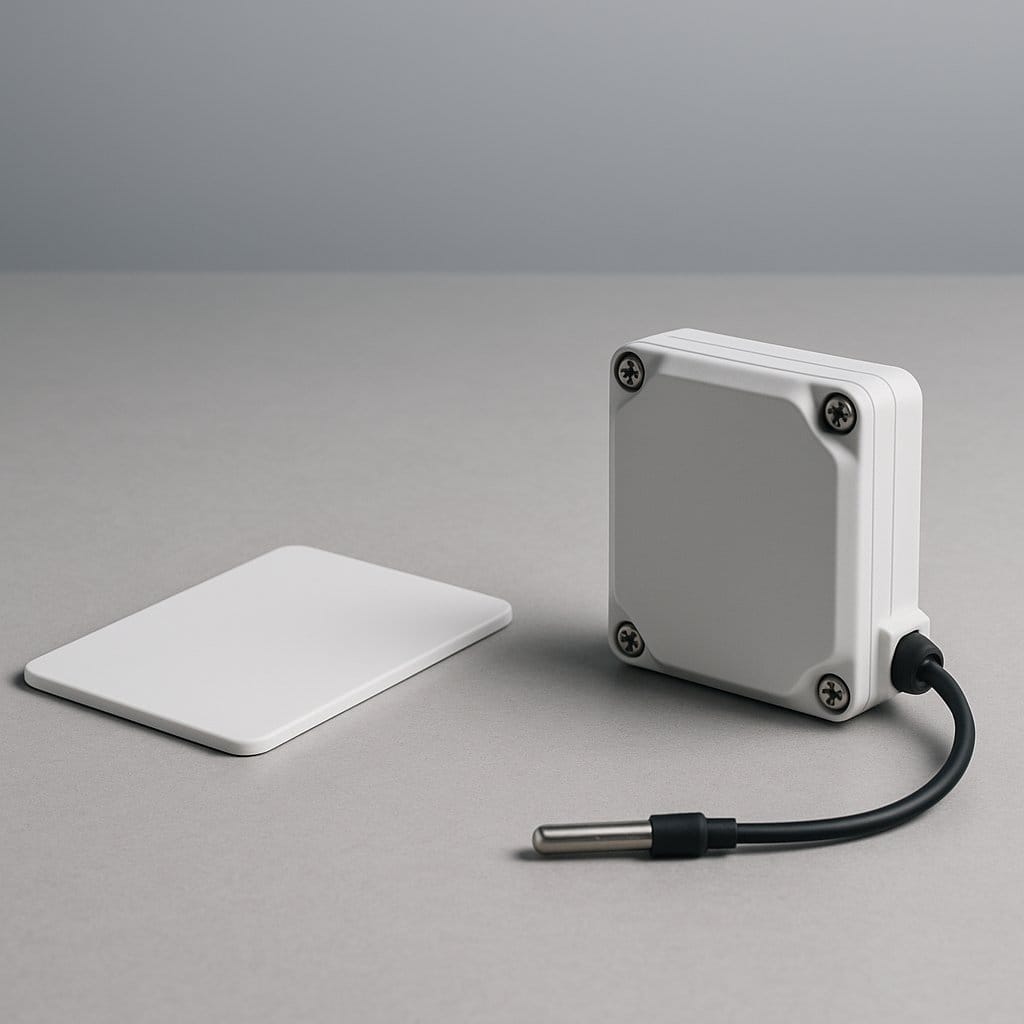
A BLE data logger fits monitoring at high deployment density: one device per carton or product unit, on lanes where destination readout is acceptable. The Eelink BTT02 illustrates the category — 2.4 mm thin, ±0.2 °C accuracy, up to 100,000 readings stored locally, and up to three years on one battery (about one year under sustained low temperature).
Density is the logger’s structural advantage. A thin, low-cost device can travel with every carton, not just every pallet. That produces unit-level granularity a shipment-level tracker cannot see. One carton near the reefer door can freeze while the pallet average looks fine.
What the category looks like in practice
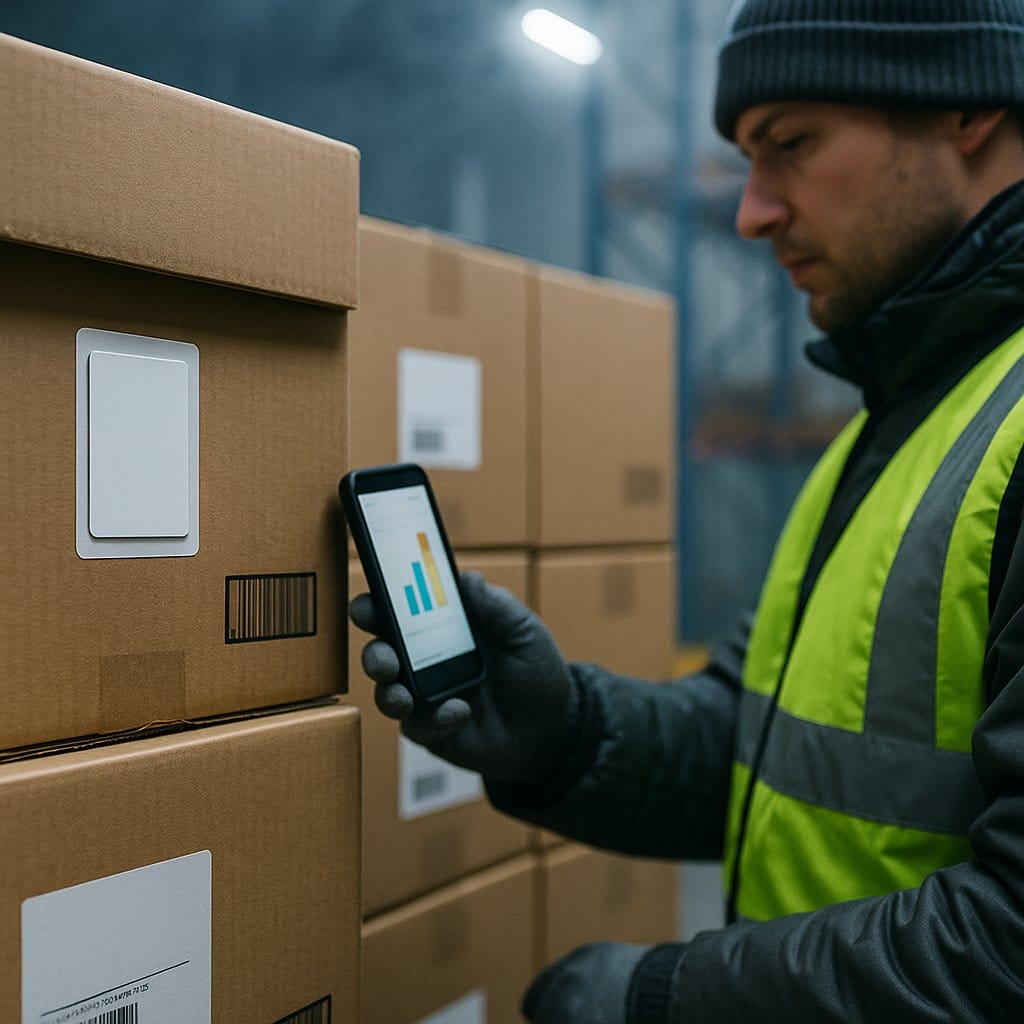
The BTT02 BLE temperature logger shows the current state of the art. It measures temperature to ±0.2 °C across -20 to +60 °C. An ambient light channel (0.01–655 lux) detects light changes that can indicate carton openings. The 2.4 mm housing slips inside packaging or between cartons. Local storage holds up to 100,000 readings, so the record survives long network-free stretches. Readout happens three ways: a phone app at close range, an unattended BLE gateway, or a bulk download at destination with PDF and CSV export.
Where the economics work
Loggers win where per-unit cost must stay low and nobody needs to act mid-trip. Short lanes with reliable handling. High-value products that justify unit-level records. Multi-zone cold rooms where dozens of fixed points need monitoring. The trade is always the same: the logger cannot call for help. Whatever it records, someone discovers later.
When Does a Lane Need a Real-Time Cellular Tracker?
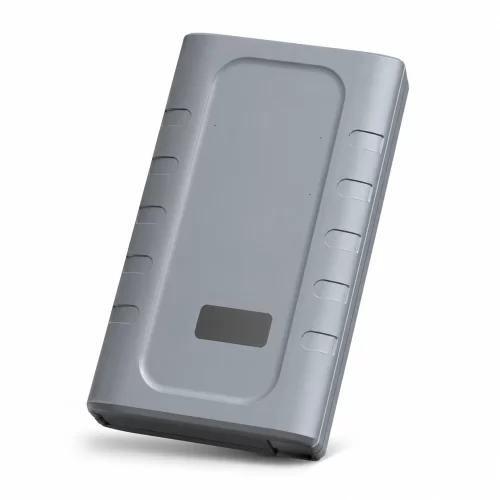
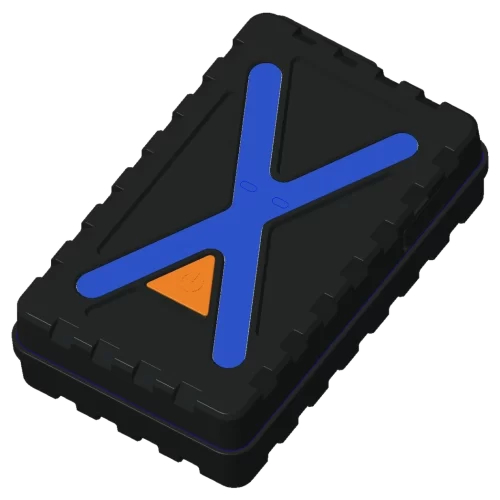
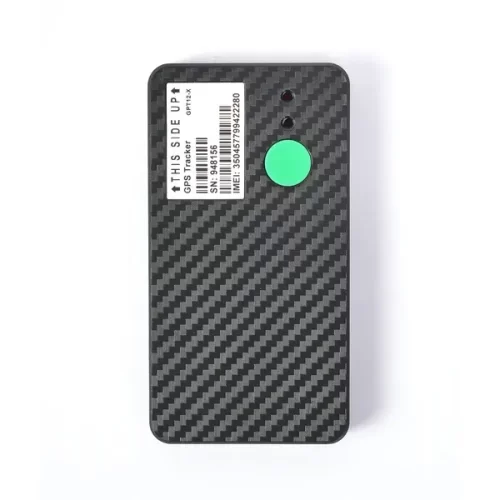
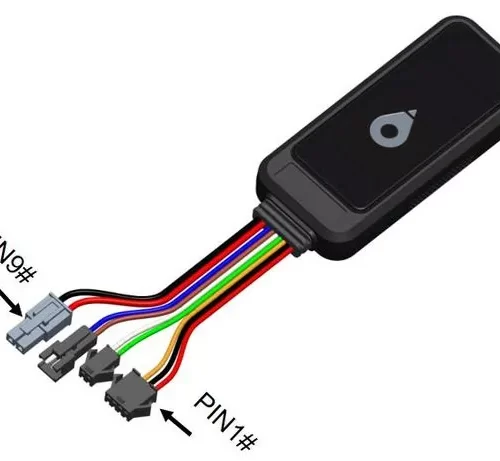
A real-time tracker earns its cost when someone can act on an alert before the load is lost — rerouting, re-icing, or rejecting at the dock. The Eelink GPT45-M illustrates the category: seven sensing channels on one timebase, reporting over LTE-M, NB-IoT, or 2G into the customer’s own platform, at a cadence set by its reporting profile and coverage.
The tracker’s structural advantage is the intervention window. A temperature alarm that arrives mid-lane is operational data; the same alarm read out at destination is history. The GPT45-M cold chain cargo tracker pairs that live channel with breadth: temperature, humidity, ambient light, three-axis shock, barometric pressure, and GNSS position recorded on a shared timebase, plus an optional external PT1000 probe for deep-freeze lanes. Update timing follows the configured reporting profile and available coverage. Because every channel shares one clock, an excursion can be lined up against a door event and a location — which is what turns monitoring data into a usable account of the trip — the record layers that account needs are covered in the shipment records briefing.
The costs are equally structural. Cellular hardware, connectivity, and battery management cost more per unit than a BLE card. Reporting profiles need engineering per lane, because each transmission is a burst-load event. And a tracker per carton rarely makes sense — the natural deployment level is the pallet or the container.
| Dimension | BLE data logger (BTT02) | Real-time tracker (GPT45-M) |
|---|---|---|
| Deployment level | Per carton or product unit | Per pallet or container |
| Data timing | At readout — app, gateway, or destination | Live during transit, per reporting profile |
| Position data | None on its own | GNSS + Wi-Fi scan + cell-ID |
| Sensing | Temperature ±0.2 °C, ambient light | Seven channels incl. humidity, shock, pressure, PT1000 probe |
| Intervention possible | No — record only | Yes — alarms while in transit |
| Battery life | Up to 3 years (1 year sustained low-temp) | Profile-dependent; engineered per lane |
| Cost per monitored unit | Low — built for density | Higher — built for the shipment level |
Specifications above are from the BTT02 and GPT45-M product pages linked in this article, accessed August 2026.
How Do Loggers and Trackers Work Together in One Stack?
The two categories combine into a layered architecture: BLE loggers at carton level record unit granularity, while a cellular device at pallet level provides position and alarms. Specific Eelink cellular models — TK417, TK418, TK419, and GPT46 — can also act as BLE gateways, relaying nearby logger readings over the cellular link. Gateway support is model-specific.
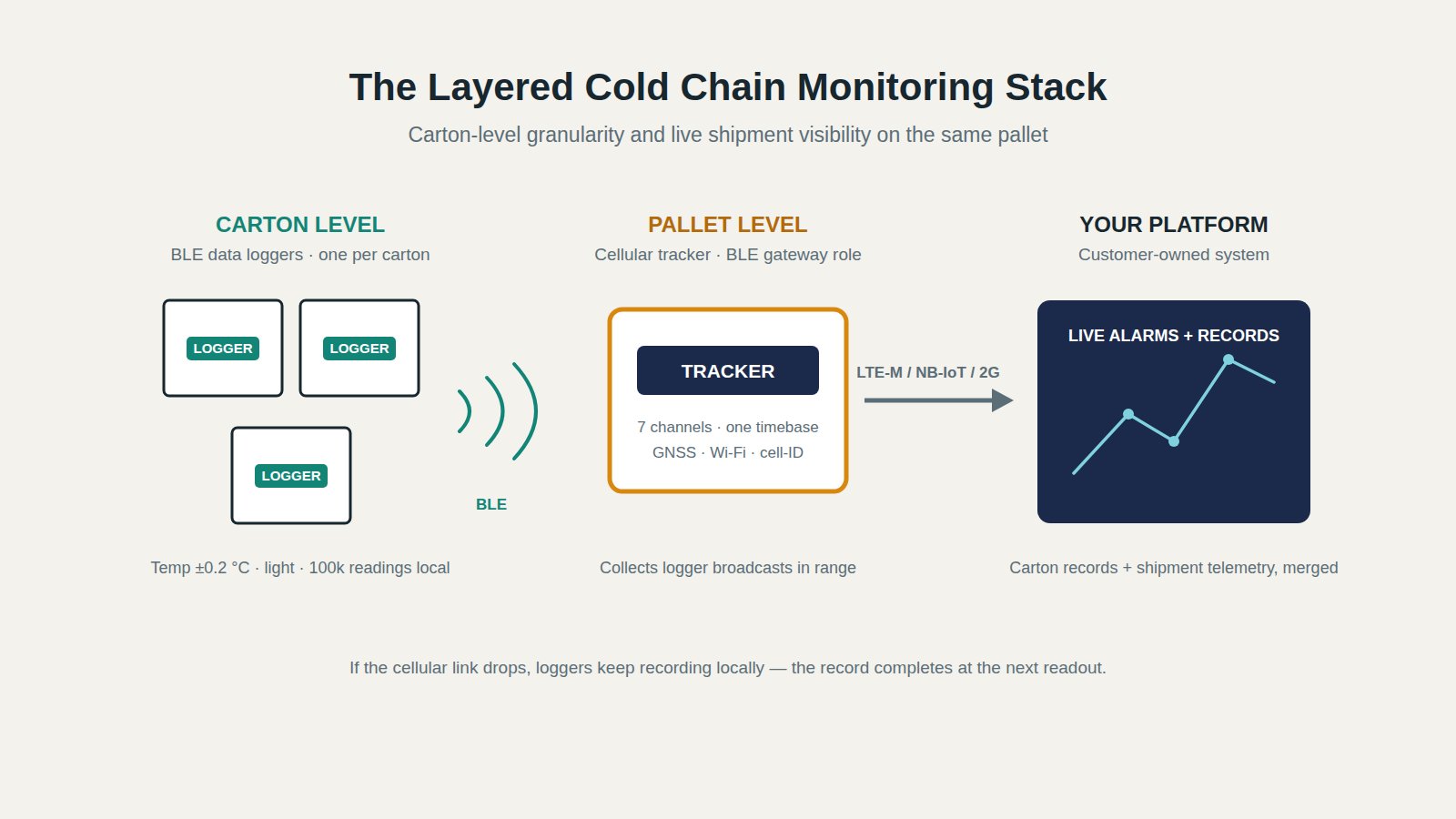
This is where the either/or framing breaks down. The BTT02 broadcasts up to 500 m in open space — an open-air maximum, not a design range; loaded pallets, water-rich product, and metal container walls shorten it substantially, so placement needs testing on the actual lane. Gateway-capable Eelink cellular devices (TK417, TK418, TK419, GPT46) collect those broadcasts and forward them over their own uplink. In that configuration, carton-level readings ride the gateway device’s cellular connection — unit granularity and live visibility on the same shipment, without giving every carton its own modem.
The stack also degrades gracefully. If the cellular uplink is unavailable, each logger keeps recording locally — up to 100,000 readings — though in-transit alerts are delayed until coverage returns. The stored data is retrieved at the next supported readout, so the historical record stays complete.
The logger question is “what happened to this unit?” The tracker question is “what is happening to this shipment?” When a lane genuinely needs both answers, the practical move is assigning each category to the level where it is strongest.
How Should a Team Choose for a Specific Lane?
Four lane variables decide the hardware mix: the intervention window (can anyone act on an alert?), product value per unit, lane duration and handling complexity, and whether devices return. Short, well-handled lanes lean logger. Long, multi-handoff, high-value lanes justify the tracker layer.
Worked through in order:
Intervention window. If no one can reroute, re-ice, or reject mid-lane, live alarms buy little. Spend on record quality instead. Where teams can act on alerts, avoided losses help justify the tracker’s higher hardware and connectivity cost.
Product value and granularity. Pharmaceuticals and high-value perishables often need unit-level records — a logger per carton. Bulk produce may only need pallet-level condition data.
Lane complexity. Every extra handoff adds risk and blurs responsibility. Multi-carrier lanes benefit most from the tracker’s position-plus-condition record; single-carrier short hauls often do not.
Device recovery. Reusable hardware changes the economics. A returnable tracker amortizes across trips; loggers on one-way lanes must be cheap enough to not come back.
Frequently Asked Questions
Can a BLE data logger send alerts during transit?
Only when something is listening. A logger broadcasts locally; a phone or a compatible gateway in range can collect its data and forward it over an uplink. Whether that becomes a timely alert depends on the gateway, firmware, platform, and reporting configuration. With no listener in range, the logger records silently and reports at readout.
Does a real-time tracker replace carton-level loggers?
No. A pallet-level tracker measures its own environment, not the inside of each carton. Unit-level granularity — the frozen edge carton, the opened box — only shows up when a sensor travels at unit level. The two categories monitor different layers of the same shipment.
Why do loggers last years while trackers need charging?
Radio duty cycles. A BLE logger transmits briefly and sleeps, so its average current stays low enough for a small cell to last up to three years. Cellular transmissions are higher-current bursts, and each report spends meaningful battery. That is why tracker runtime depends on the reporting profile — more reports, shorter life.
How does logger data reach a cloud platform without a phone?
Through a gateway. Fixed BLE gateways cover warehouses and cold rooms; on the move, an Eelink cellular device on the same pallet can relay logger readings over its own network connection. Either way, the logger’s local storage keeps the complete record if the uplink disappears.
Which option costs less over a season?
It depends on recovery and density. One-way lanes favor low-cost loggers that are not worth shipping back. Closed-loop lanes favor reusable trackers amortized across trips. Most programs land on a mix: loggers everywhere, trackers on the lanes where live visibility changes decisions.
Key Takeaways
Loggers and trackers answer different questions: unit-level record versus live shipment visibility. The choice is a lane decision, not a budget decision.
BLE loggers win on density and battery: carton-level deployment, ±0.2 °C records, years of runtime, readout by app, gateway, or download.
Cellular trackers win on the intervention window: alarms and position while the load can still be saved, with multi-channel sensing on one timebase.
Where a lane needs both unit-level records and in-transit visibility, a validated logger-plus-gateway architecture provides both — at the cost of extra hardware, integration, and operational complexity.
Four variables settle the mix: intervention window, product value, lane complexity, and whether devices come back.