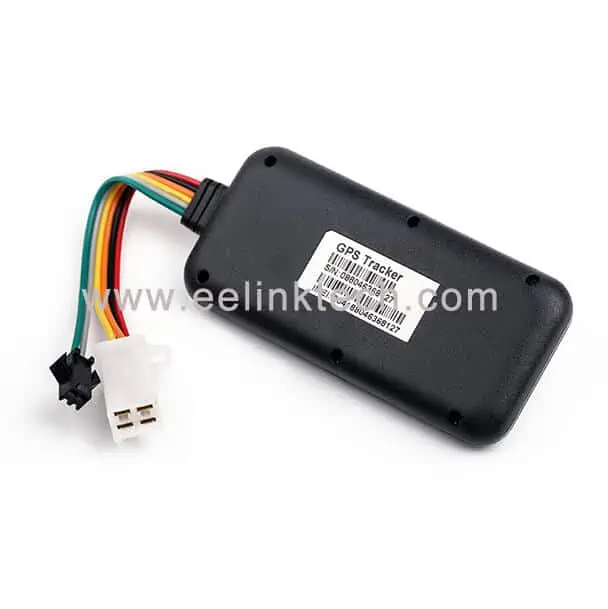
Inside Eelink’s IoT Engineering: Design Optimization, Low-Power Algorithms, and Total Connectivity
Introduction
Engineering excellence in IoT devices is key to bridging the gap between sensors at the edge and insights in the cloud. Eelink, as a veteran IoT hardware manufacturer, demonstrates this excellence through its meticulous device design, power-efficient algorithms, and support for a spectrum of communication protocols.
This in-depth overview dives into how Eelink builds its devices from the ground up – optimizing industrial design, minimizing power consumption, enabling over-the-air updates, and integrating with IoT networks and standards like MQTT, HTTP, Modbus, and CAN bus. We’ll also explore concrete use cases (cold chain tracking, fleet telematics, and container visibility) to see these technical features in action.
For IoT engineers, system integrators, and tech-savvy buyers, understanding Eelink’s approach offers insight into deploying reliable and future-proof IoT solutions.
Industrial Design Optimization: Rugged, Compact, and Purpose-Built
🔧 Form Factor and Environmental Engineering
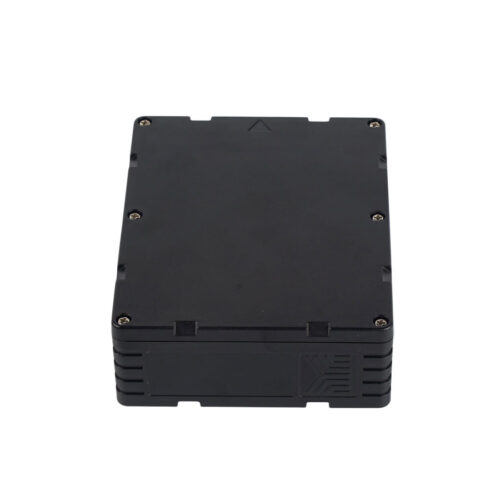
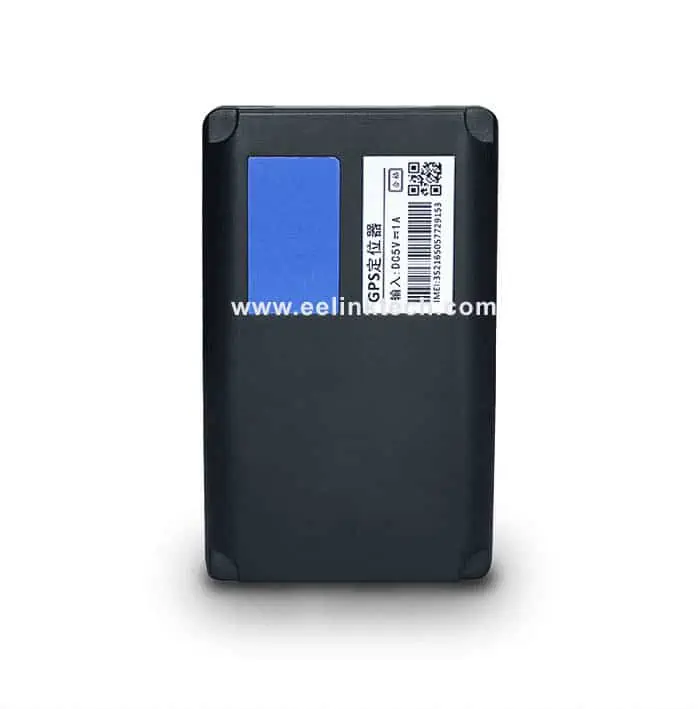
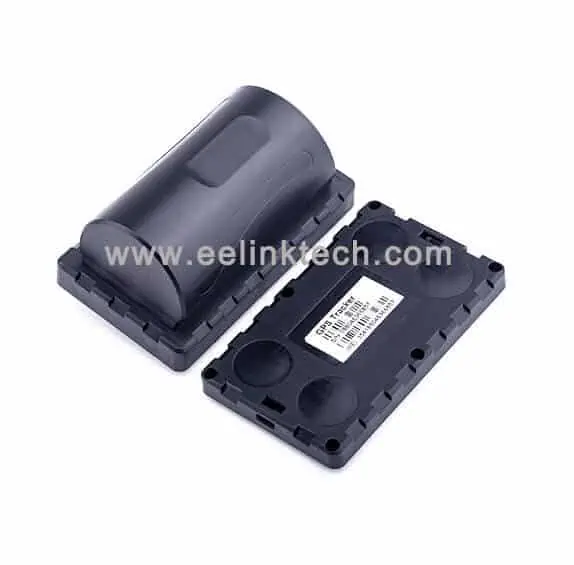
Eelink places a strong emphasis on industrial design optimization – meaning every device is engineered to meet the physical and environmental challenges of its intended use.
Size vs. Functionality Balance:
- Compact Designs: Achieving small form factors without sacrificing durability
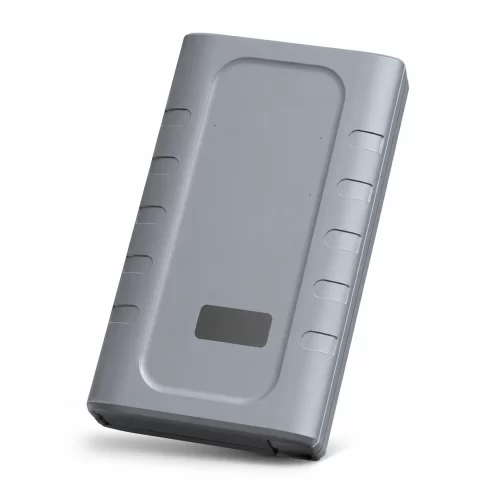
- GPT12-L Asset Tracker: “Smart and thin design” for covert applications
- Space-Optimized: Crucial for cargo tracking and equipment monitoring
Durability Engineering:
- Structural Design: Shock and vibration resistance for vehicle-mounted units
- Ingress Protection: IP65, IP67 or higher ratings standard
- Sealing Technology: Robust casings, gaskets, and component potting
- Weather Resistance: Operational in construction zones and harsh weather
📡 Thermal and RF Optimization
Internal Layout Engineering:
- Heat Dissipation: Strategic component placement to avoid thermal hotspots
- Antenna Tuning: GPS, cellular, and Bluetooth antennas optimized for maximum signal gain
- Metal Environment Performance: Reliable operation even when enclosed in equipment
- Wide Temperature Range: -20°C to +70°C operation through careful component selection
All these design optimizations result in devices that are “long-lasting and carry true build quality,” purpose-built to keep working reliably whether strapped to a shipping container crossing oceans or installed in a factory monitoring system running 24/7. Learn more about our manufacturing capabilities.
Ultra-Low Power Algorithms and Battery Management
⚡ Advanced Power Management
One of the toughest engineering challenges for IoT devices is power management – especially for battery-operated units expected to last months or years. Eelink tackles this head-on through innovative approaches:
Cellular Connectivity Optimization:
- LTE Cat M1 and NB-IoT: Low-Power Wide-Area (LPWA) technologies
- Duty Cycle Control: Optimized wake-up scheduling for data transmission
- eDRX and PSM: Power Saving Mode features for extended sleep periods
Adaptive Reporting Algorithms:
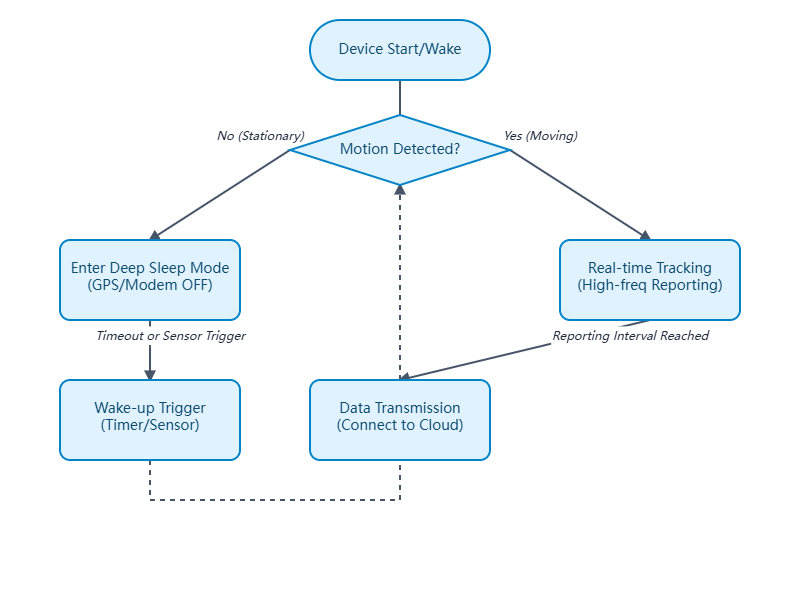
- Context-Aware Operation: Hourly reporting when stationary, real-time when moving
- Trigger-Based Activation: Motion detection and geofence breach responses
- GPT12-L Achievement: Up to three years standby time on a single charge
🎯 Context-Aware Power Management
Motion Sensor Integration:
- 3-Axis Accelerometer: Acts as a power-efficient sentinel
- Deep Sleep Mode: GPS and cellular modules powered down during stationary periods
- Instant Wake: Immediate activation upon motion detection
- Event-Driven Operation: Significantly extends battery life for intermittently moving assets
Multi-Sensor Power Budgeting:
- Intelligent Scheduling: Prioritizing which sensors to read and when
- Environmental Adaptation: Adjusting sampling rates based on stability
- Energy Conservation: Optimizing ADC usage and processing cycles
Hardware Efficiency:
- Ultra-Low Quiescent Current MCUs: Minimizing standby power consumption
- Efficient DC/DC Regulators: Optimized power conversion
- Smart Battery Protection: Health management and overcharge prevention
OTA Support: Remote Firmware Updates and Diagnostics
📡 Comprehensive OTA Capabilities
Over-the-air (OTA) update capability is critical for IoT devices in the field. Eelink has built robust OTA support ensuring remote management throughout device lifecycle.
Firmware Update System:
- FOTA Technology: Firmware Over-The-Air using cellular data
- Block Transfer: New firmware images delivered efficiently to flash memory
- Lightweight Protocols: TFTP and other optimized transfer methods
- Secure Updates: No physical access required for patches and new features
Fail-Safe Architecture:
- Dual-Partition System: Updates downloaded to secondary memory
- Verification Process: Checksum validation before firmware switching
- Fallback Protection: Bootloader backup prevents device bricking
- Continuous Operation: Device remains functional during update process
⚙️ Remote Configuration and Diagnostics
Dynamic Settings Management:
- Server-Side Commands: SMS, MQTT, and cloud API control
- Parameter Adjustment: Reporting intervals, geofence coordinates, sensor thresholds
- Fleet-Wide Updates: Overnight configuration changes without device recall
Health Monitoring:
- Diagnostic Reporting: Battery level, signal strength, GNSS status
- Remote Troubleshooting: Proactive issue identification and resolution
- Predictive Maintenance: Early warning systems for device health
Real-World Example: A cold-chain client needed custom temperature thresholds for new vaccines. Eelink’s team prepared a firmware update with new threshold logic and pushed it remotely to all devices. The entire fleet was updated within hours with minimal disruption to ongoing monitoring.
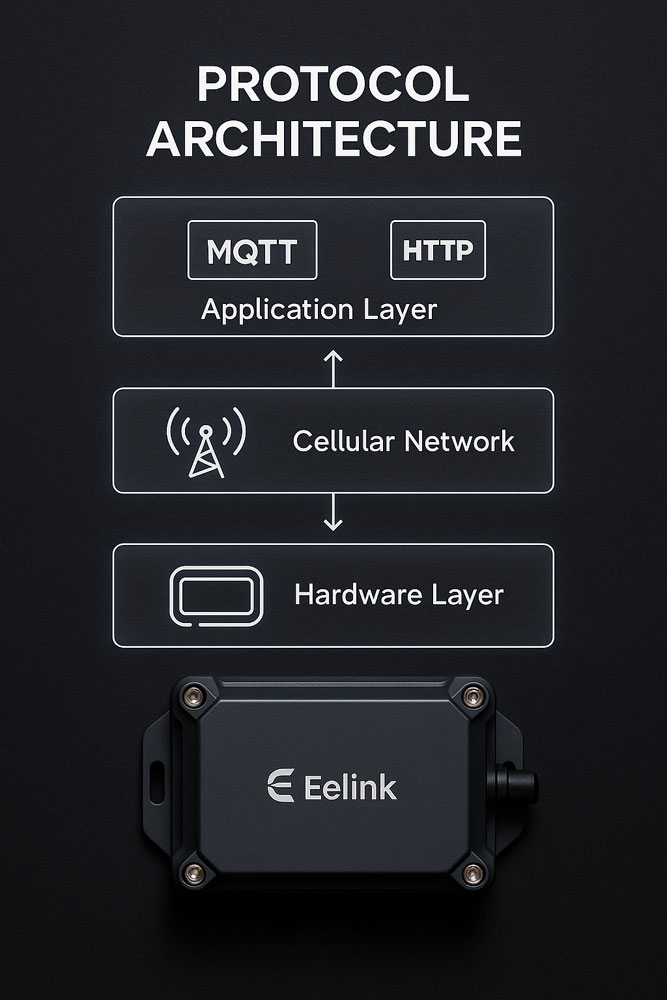
Diagram of hardware → network → application layers used in Eelink devices.
Connectivity and Protocol Integration: From Device to Cloud
🌐 Universal Communication Standards
Eelink’s devices are built to communicate seamlessly from edge to cloud, supporting a comprehensive range of IoT communication protocols and interfaces.
Wireless Connectivity Spectrum:
- Cellular Networks: 2G, 3G, 4G (including Cat M1 and NB-IoT)
- 5G Readiness: Early adoption for broader IoT deployment
- Global Coverage: Virtually anywhere connectivity worldwide
Protocol Support Matrix:
MQTT Integration
- Lightweight Pub/Sub: Ideal for IoT platform integration (AWS IoT, Azure IoT Hub)
- Low Bandwidth: Perfect for LTE-M transmissions
- Topic-Based Messaging: Structured data distribution
HTTP/HTTPS Connectivity
- RESTful APIs: Cloud integration and backend communication
- JSON Payload: Standardized data format
- TLS Encryption: Secure data transmission
Industrial Protocols
- CAN Bus: Vehicle and heavy machinery data extraction
- Modbus Interface: PLC and industrial sensor connectivity
- OBD-II Integration: Automotive diagnostic data access
Local Connectivity
- Bluetooth LE: Sensor integration and smartphone configuration
- Multi-Protocol Hub: BLE sensors with cellular uplink
Explore our comprehensive IoT solutions portfolio for protocol-specific implementations.
Technical Use Cases: Engineering in Action
🧊 Cold Chain Tracking: Optimized Design and Power
Engineering Challenge: Pharmaceutical logistics company needs to monitor temperature-sensitive vaccines worldwide during multi-day transit across different transport modes, often without external power.
Eelink Solution Architecture:
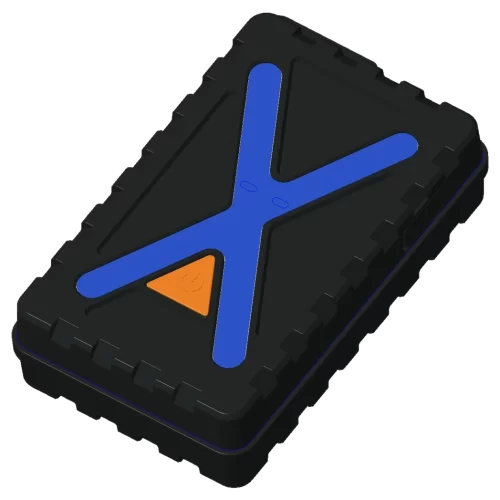
- TK419 Tracker: Rugged cellular tracker with IP67-rated enclosure
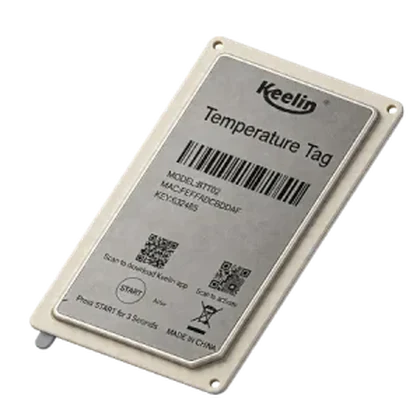
- BTT01 BLE Sensors: Coin cell-powered temperature beacons
- Multi-Protocol Integration: Continuous BLE scanning and data aggregation
Power Efficiency Implementation:
- Adaptive Duty Cycling: Sleep mode with interval-based wake-ups
- Context Awareness: Deep sleep when stationary, increased frequency when moving
- Precision Battery Management: Optimized for cold conditions and maximum life
Connectivity Excellence:
- Network Auto-Selection: NB-IoT or LTE-M based on signal availability
- MQTT Protocol: Shipment data published to cloud topics
- OTA Flexibility: Remote adjustment of sampling frequency per route
Result: Complete temperature compliance logging with real-time alerts and corrective action capabilities.

Securing idle trailers and trucks against theft using movement alerts.
🚛 Fleet Telematics: Predictive Maintenance Integration
Technical Requirements: Advanced telematics tracking location, driver behavior, vehicle health, and fuel usage for operational optimization.
Hardware Selection:
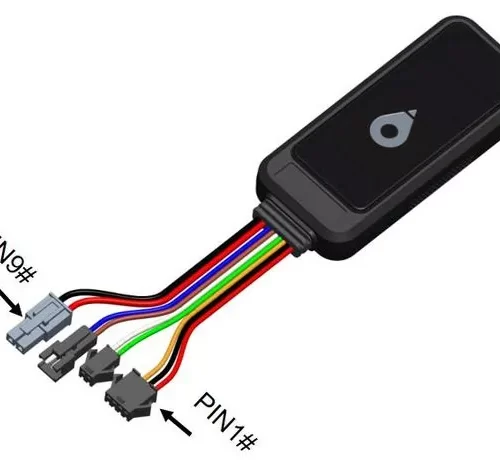
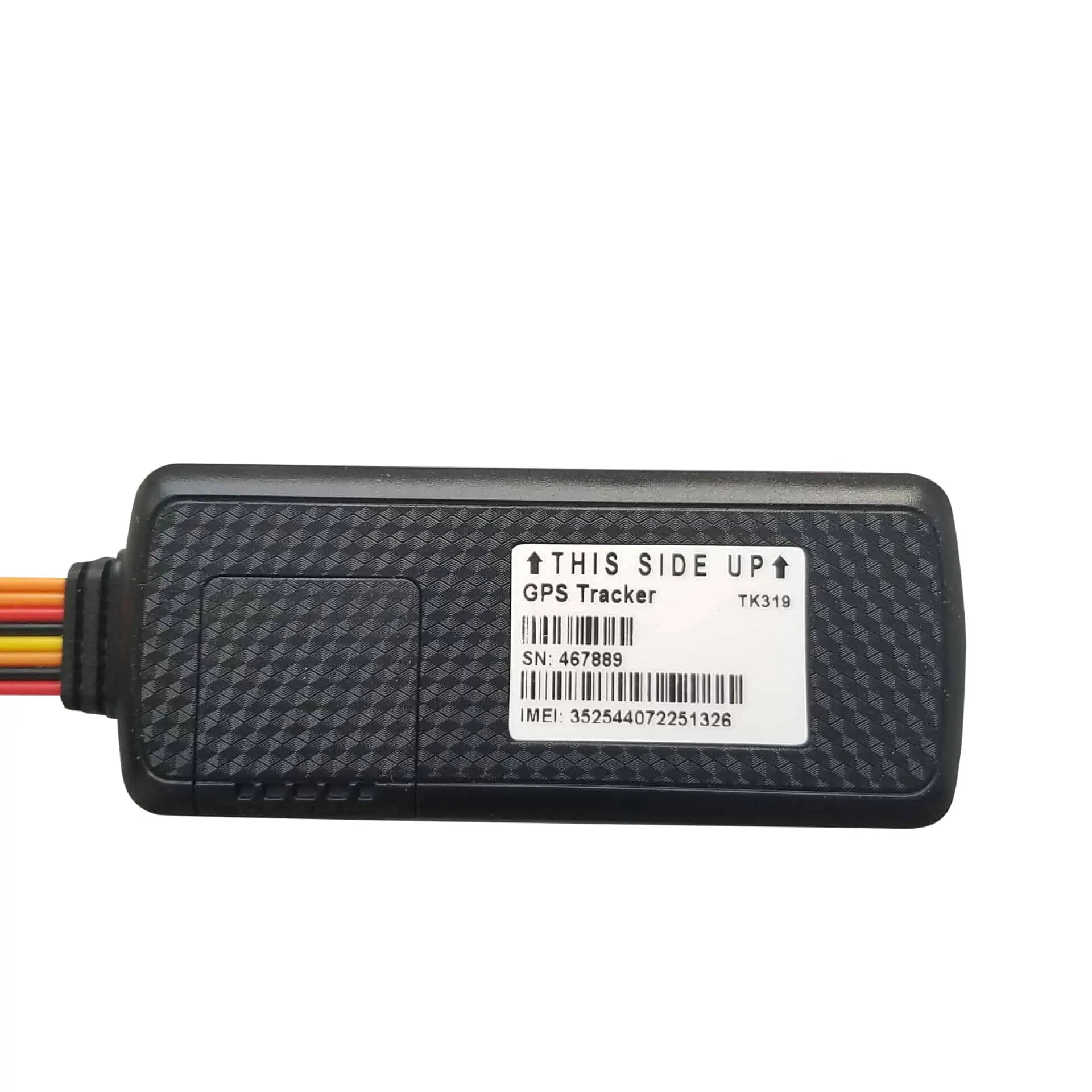
- TK119/TK121 Trackers: Automotive-grade design (9-72V input range)
- CAN Bus Integration: Real-time vehicle diagnostic data
- Backup Power: Brief interruption handling
Data Processing Innovation:
- Local Computation: Summary generation (“engine idling X minutes”)
- Efficient Transmission: Reduced bandwidth while maintaining insight quality
- JSON Formatting: Standardized payload structure
Predictive Maintenance Algorithm:
- Pattern Recognition: Historical data correlation with engine issues
- Early Warning System: MQTT command triggers for driver alerts
- Maintenance Scheduling: 40% reduction in unplanned breakdowns
Advanced Features:
- Remote Control: Fuel cutoff capabilities for safety enforcement
- OTA Updates: New parameter integration without manual intervention
📦 Container Visibility: Smart Shipping Solutions
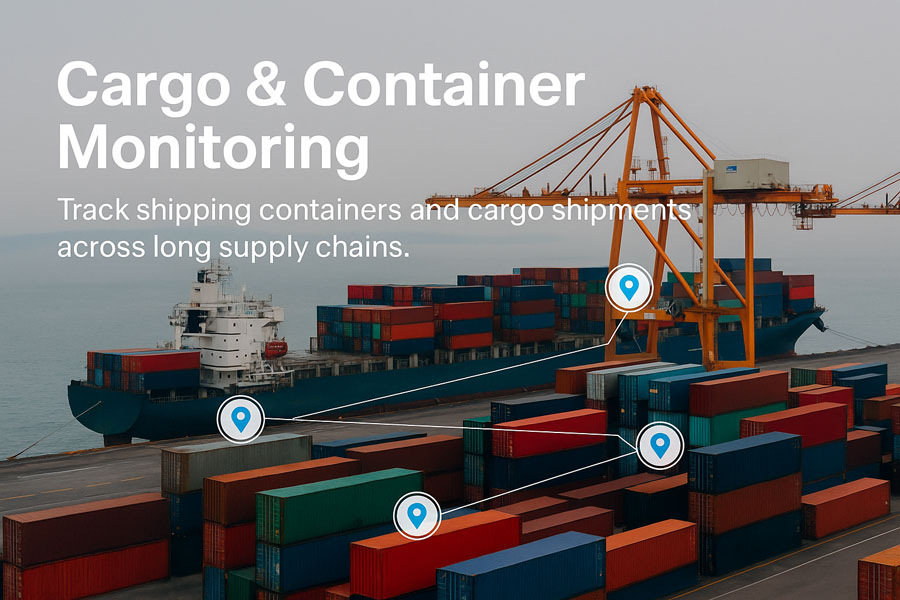
Monitoring shipping containers across ocean voyages using Eelink trackers.
Global Challenge: End-to-end container visibility across sea, rail, and road with weeks-long journeys, harsh environments, and limited connectivity.
Engineering Solution:
- Container Tracking Device (CTD): Rugged unit with comprehensive sensor suite
- IP68 Waterproof: Corrosion resistance with conformal PCB coating
- 60-Day Battery Life: High-capacity power for extended journeys
Adaptive Power Management:
- Sea Transit Mode: Low-power logging with cellular modem shutdown
- Port Proximity Detection: Automatic wake-up and data flush
- Event Logging: Shock detection and unauthorized access monitoring
Protocol Flexibility:
- RESTful API Updates: Container ID, route points, sensor readings
- MQTT Configuration: Remote threshold adjustments
- SMS Fallback: Low-bandwidth scenario support
Security Implementation:
- Intrusion Detection: Door sensor alerts and real-time flagging
- Accelerometer Logging: Rough handling identification
- Comprehensive Visibility: Full journey documentation and incident tracking
Conclusion: Engineering IoT Devices for the Real World
Eelink’s approach to IoT hardware – optimizing every layer from physical design to firmware and communication – exemplifies how to build devices for real-world reliability and integration.
Key Engineering Principles:
- Specification Excellence: Going beyond spec sheets to true readiness
- Problem-Solving Focus: Devices built to solve problems, not create them
- System Integration: Easy compatibility with existing architectures
- Future-Proof Design: Adaptability through remote updates and configurations
Tangible Benefits Delivered:
- Multi-Year Battery Life: Reducing service visits and operational costs
- Real-Time Sensor Data: Preventing cargo loss and quality issues
- Predictive Maintenance: Avoiding breakdowns and optimizing schedules
- Full Visibility: Streamlining logistics and supply chain operations
Partnership Value: For engineers and system designers, partnering with Eelink means the heavy lifting is handled. Devices come pre-optimized and proven, allowing focus on higher-level software and analytics rather than hardware reliability concerns.
Industry Leadership: With over 20 years in the field and a broad ecosystem of partners, Eelink demonstrates that building great IoT devices requires a holistic vision: combining hardware ruggedness, firmware intelligence, and connectivity interoperability.
The Bottom Line: Meticulous engineering at the device level pays off across the entire solution. Eelink’s hardware doesn’t just meet specifications – it actively enhances the overall system by providing reliable data and control under all conditions. As IoT projects aim for greater scale and impact, having devices like Eelink’s is an enabler, turning ambitious concepts into achievable reality with hardware you can trust.
In essence, Eelink’s IoT engineering isn’t about gadgets – it’s about delivering dependable, integrable, and innovative building blocks for the connected world.