What Makes Cold Chain Tracking Hardware FSMA 204-Ready?
Disclaimer: This article discusses hardware engineering considerations relevant to cold chain monitoring in the context of evolving food traceability regulations. It does not constitute legal or regulatory compliance advice. Eelink manufactures tracking and monitoring hardware for IoT platform companies and does not provide regulatory consulting services. Consult qualified food safety and legal professionals for compliance guidance specific to your operations.
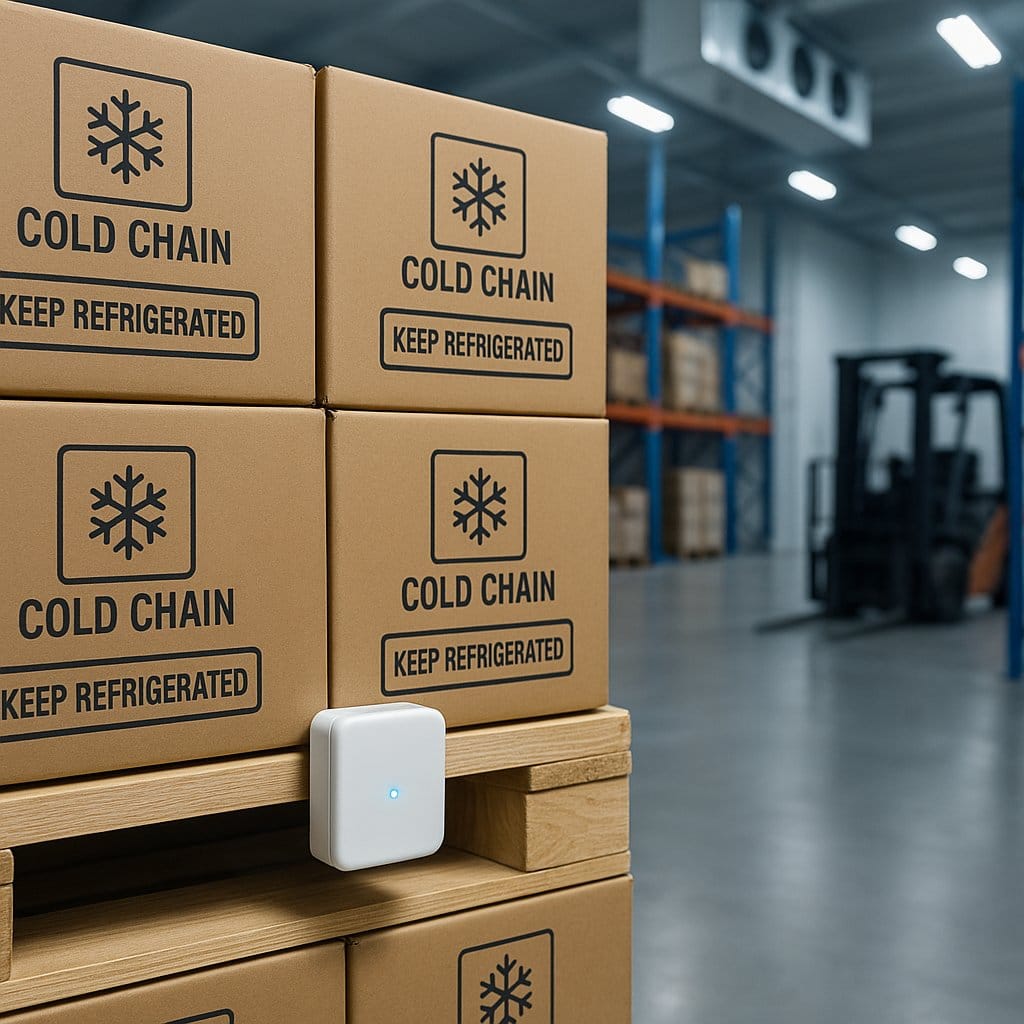
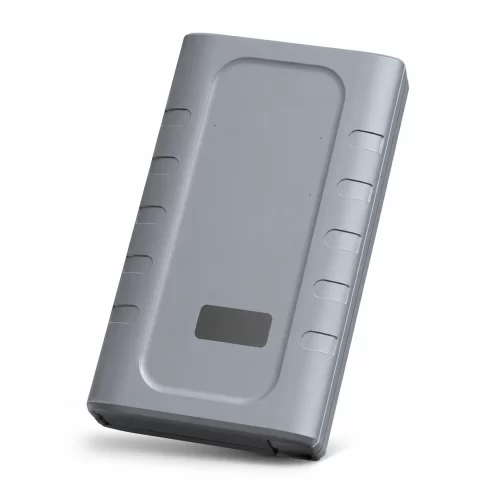
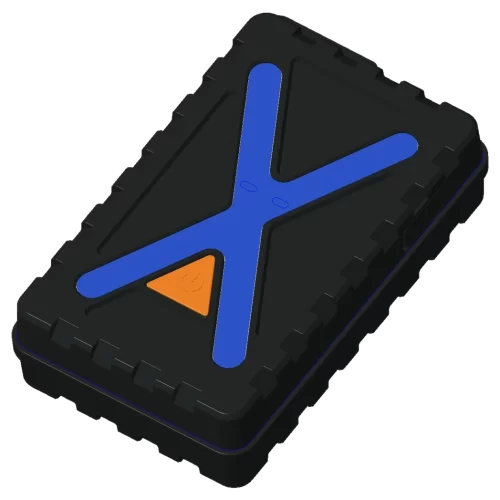
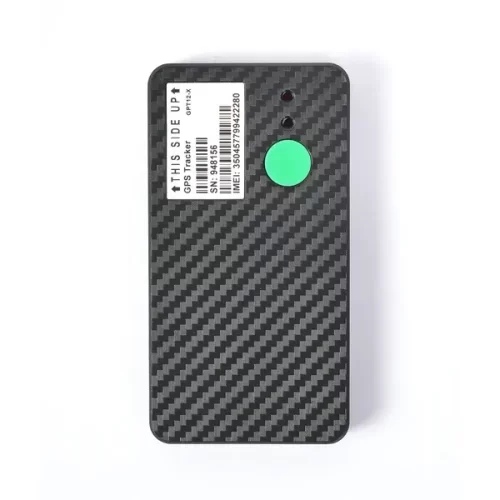
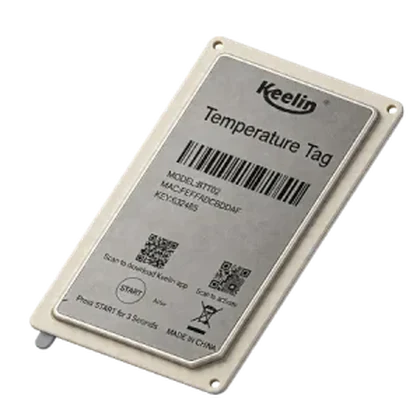
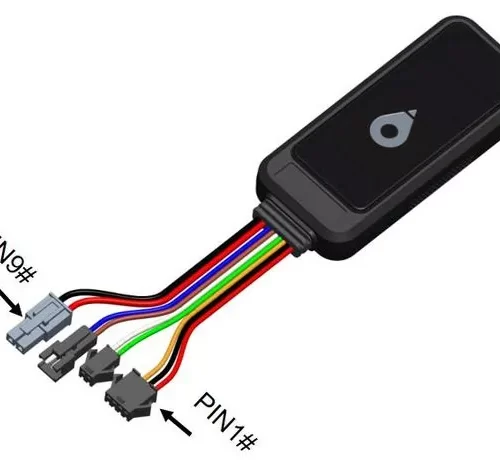
Cold chain tracking hardware designed for audit-ready temperature monitoring in food logistics
What Is FSMA 204, and Why Doesn’t It Certify Hardware?
FSMA 204 is a U.S. FDA traceability records rule requiring covered persons who manufacture, process, pack, or hold foods on the Food Traceability List to maintain standardized records around Critical Tracking Events (CTEs) and Key Data Elements (KDEs), subject to certain exemptions. It does not certify, approve, or test temperature monitoring hardware. However, the hardware design behind a cold chain tracker directly determines whether the condition data it produces will hold up under audit scrutiny.
The Food Traceability Final Rule, published in November 2022, establishes requirements for anyone who manufactures, processes, packs, or holds foods on the Food Traceability List. At its core, the rule demands that covered entities maintain records containing specific data — traceability lot codes, product descriptions, quantities, locations, timestamps, and reference documents — at each critical point in the supply chain, provide required KDEs to supply-chain partners where applicable, and make records available to FDA upon request.
Temperature data is not a primary Key Data Element under FSMA 204. That distinction matters. But as food shippers, distributors, and retailers build out their traceability infrastructure, they increasingly expect condition monitoring data — temperature, humidity, location, door-open events — to travel alongside traceability records. The two data streams are becoming inseparable in practice, even though the regulation treats them differently.
For IoT platform companies building cold chain visibility solutions, this creates a specific engineering challenge: the tracking hardware must produce data that is timestamped, location-tagged, calibration-traceable, and tamper-resistant enough to complement a formal traceability program. A device that merely displays a current temperature reading is not sufficient.
Why Is the July 2028 Deadline Closer Than It Appears for Hardware Teams?
The FDA extended the FSMA 204 compliance date to July 20, 2028, giving the industry an additional 30 months. But for IoT platforms that still need to design, certify, pilot, and manufacture cold chain hardware, the real product development timeline leaves less room than the calendar suggests.
The extension, formally proposed in March 2025 and subsequently directed by Congress, acknowledged that industry-wide coordination across thousands of entities was not achievable under the original January 2026 timeline. But the extension was granted to allow supply chain partners to align recordkeeping systems — not to give hardware teams more design time.
Meanwhile, major grocery retailers have moved faster than the FDA. Several large U.S. chains began requiring GS1-standard barcoding and Advanced Ship Notices on food and beverage shipments during 2025. These retailer-driven mandates are effectively pulling adoption timelines forward, particularly for suppliers who cannot afford to lose shelf space at key accounts.
Consider what a typical hardware development cycle looks like for a new cold chain tracker (ranges assume an existing ODM platform with pre-certified cellular module and no major RF redesign):
| Phase | Typical Duration | What Gets Defined |
|---|---|---|
| Requirements & sensor selection | 4–8 weeks | Temperature range, accuracy, connectivity, battery targets |
| EVT / DVT prototyping | 8–16 weeks | PCB layout, enclosure, firmware baseline, RF tuning |
| Certification (FCC, CE, PTCRB, carrier) | 8–14 weeks | Regulatory and network approvals for target markets |
| Field pilot across lanes | 8–12 weeks | Real-world validation in refrigerated trucks, containers, warehouses |
| PVT & manufacturing ramp | 6–10 weeks | Production tooling, quality gates, yield optimization |
End to end, that is 34 to 60 weeks — roughly 8 to 15 months — before a single production unit ships. An IoT platform company that begins hardware development in early 2027 may not have certified, field-tested devices in production until late 2027 or early 2028, leaving almost no margin before the enforcement date.
What Sensor Architecture Should an IoT Platform Specify for Cold Chain Monitoring?
The right sensor configuration depends on the shipment type, monitoring granularity, and customer requirements. Common architectures range from a standalone cellular tracker with an internal thermistor to a BLE sensor mesh with a cellular gateway, each involving different trade-offs in accuracy, cost, and deployment complexity.
Before evaluating ODM partners, an IoT platform team should define what their end customers actually need to monitor. A single tracker mounted in a refrigerated trailer provides ambient temperature for the cargo space, but it does not tell you what is happening at pallet level, at product core temperature, or at the door seal. Different monitoring objectives require fundamentally different hardware architectures:
Ambient monitoring uses a standalone tracker with a built-in NTC thermistor or digital temperature sensor, reporting temperature alongside GNSS location over cellular networks. This architecture suits full-truckload shipments where ambient air temperature is a reasonable proxy for cargo condition. Sensor accuracy of ±0.3°C to ±0.5°C is typical for quality-grade NTC components.
Product-level monitoring adds an external probe — a wired NTC or PT1000 sensor inserted into the cargo or packaging — for direct measurement of product temperature rather than surrounding air. This matters for dense pallets where air temperature and core product temperature can diverge significantly, especially during loading and unloading transitions.
Multi-zone monitoring deploys multiple BLE temperature beacons across a trailer or container, with a single cellular gateway aggregating readings and transmitting to the cloud. This architecture scales well for high-value or mixed-temperature loads, but introduces firmware complexity around BLE scanning intervals, beacon pairing, and gateway power management.
For each architecture, the ODM partner must support the full stack: sensor selection, analog signal conditioning or digital interface, firmware data acquisition logic, local storage buffering, and transmission protocol to the platform cloud.
How Do Calibration and Data Integrity Affect Audit Readiness?
A temperature reading without a calibration reference is an assertion without evidence. For cold chain data to support traceability programs, insurance claims, or dispute resolution, the measurement must be traceable to a known standard, and the data path from sensor to cloud must resist tampering, gaps, and silent failures.
Calibration is where many hardware programs encounter unexpected friction. Production-line calibration — verifying that each device reads within its specified accuracy against a reference standard — adds time and cost to manufacturing. But without it, each deployed device is essentially self-reporting with no external validation.
Key calibration considerations for OEM hardware buyers include whether the ODM can provide per-device calibration certificates, whether those certificates reference NIST-traceable standards or are issued by an ISO/IEC 17025-accredited calibration laboratory, and what the recommended recalibration interval is for field-deployed units.
Data integrity extends beyond calibration. It encompasses the entire chain from sensor reading to cloud record: timestamping with synchronized clocks, local encryption of stored readings, detection of data gaps caused by firmware crashes or power loss, and transmission integrity checks to prevent silent data corruption. A device that loses 30 minutes of temperature data during a cellular dead zone — and does not flag the gap — is arguably worse than no device at all, because it creates a false sense of continuity.
“The question is not whether your tracker records temperature. The question is whether a third party — a retailer auditor, an insurance adjuster, a regulatory inspector — would trust those records eighteen months after the shipment arrived.”
What Happens to Temperature Data When Cellular Connectivity Drops?
Refrigerated shipments frequently pass through areas with limited or no cellular coverage — rural highways, port terminals, underground loading docks, ocean crossings. A cold chain tracker must store readings locally during connectivity gaps and transmit them reliably when the connection resumes, with no data loss and no timestamp ambiguity.
This capability, commonly called store-and-forward, is more nuanced than it appears. The device firmware must manage a circular buffer or flash-based log that continues recording at the configured sampling interval regardless of network availability. When connectivity returns, the stored readings must be uploaded in chronological order with their original timestamps — not re-timestamped at upload time, which would corrupt the audit timeline.
The engineering trade-offs here involve flash memory capacity (how many hours of offline data can be stored), write-cycle endurance (flash memory degrades with repeated writes), power consumption of the storage subsystem, and prioritization logic when the upload queue is large. An ODM partner with experience in cold chain deployments will have firmware architectures that handle these edge cases reliably, rather than treating them as post-launch bug fixes.
For platforms serving cross-border or intermodal logistics, the connectivity challenge extends further. A shipment from a Mexican farm to a U.S. distribution center may traverse multiple cellular networks, requiring carrier-certified or eSIM-capable hardware that maintains connectivity across network boundaries without manual intervention.
What Should IoT Platforms Look for in a Cold Chain Hardware ODM Partner?
Beyond engineering capability, a cold chain ODM partner must demonstrate certification readiness, manufacturing scalability, supply chain resilience, and the ability to support multi-year product lifecycles across regional SKU variants. The decision between building hardware in-house and partnering with an ODM hinges on whether the platform company can sustain all of these disciplines simultaneously.
For IoT platform companies evaluating ODM partnerships, the following criteria distinguish a contract assembler from a genuine design-and-manufacturing partner:
Regulatory certification experience. FCC, CE (EU RED), PTCRB, and carrier approvals for North American and European markets each involve specific test protocols, documentation, and lab relationships. An ODM that has already navigated these processes for similar devices can compress the certification timeline from months to weeks.
Firmware customization depth. Cold chain platforms need configurable sampling intervals, event-triggered reporting, geofencing logic, BLE beacon management, and OTA update mechanisms. The ODM must offer firmware that can be tailored to the platform’s cloud protocol — whether MQTT, HTTPS, TCP, or a proprietary format — without requiring a full firmware rewrite.
Dual-source manufacturing. Geographically diversified production across multiple factories provides supply chain resilience, reducing risk from localized disruptions, component shortages, or logistics bottlenecks. For platforms serving North American and European markets, having production capacity in both mainland Asia and Southeast Asia enables regional sourcing flexibility.
BOM stability and lifecycle management. Cold chain hardware is not a consumer gadget with a 12-month product cycle. IoT platforms need ODM partners who can lock core components for multi-year supply agreements and manage component substitutions without forcing a redesign — a discipline that requires proactive component lifecycle monitoring and qualification testing.
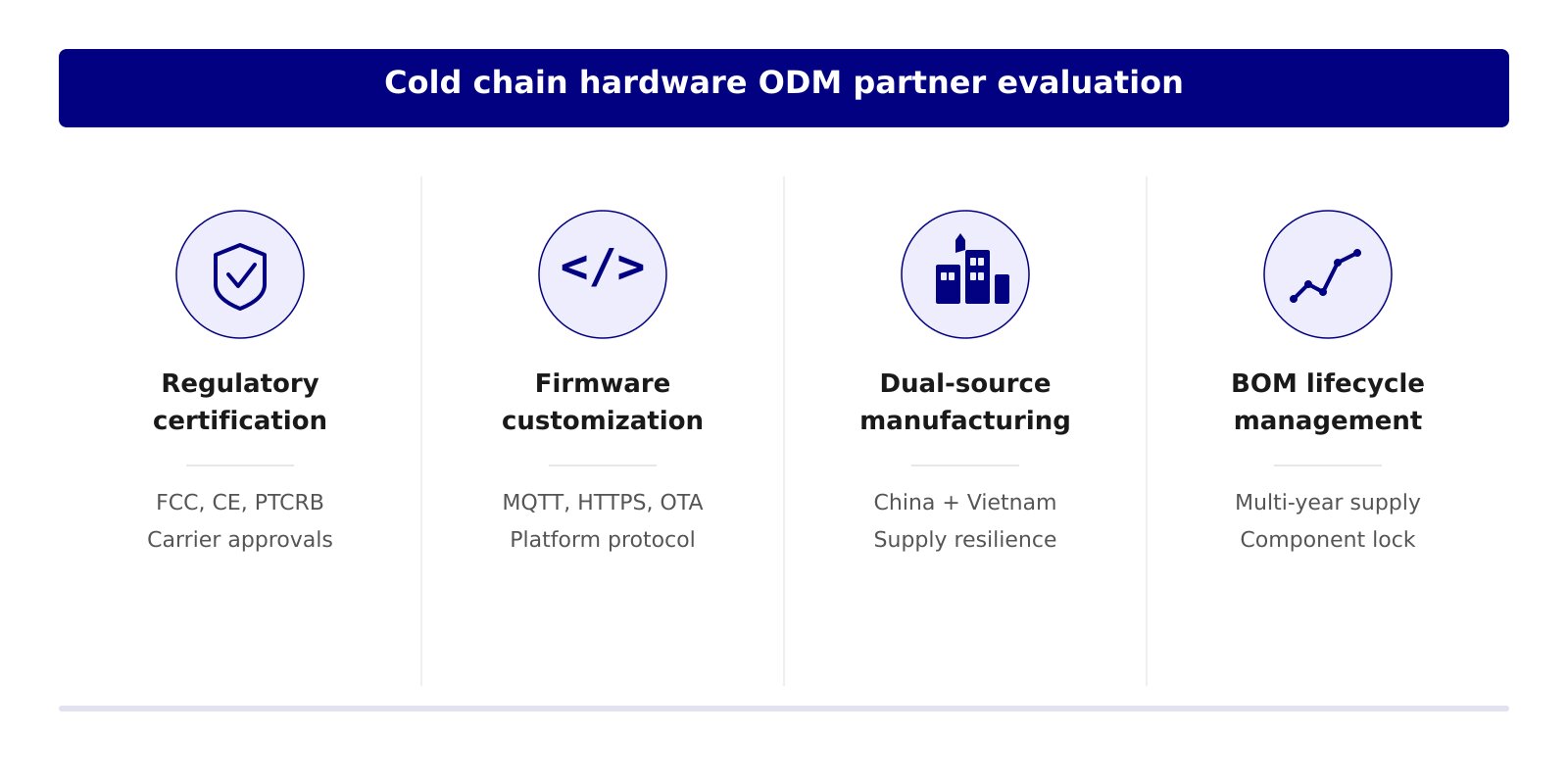
Key evaluation criteria when selecting an ODM partner for cold chain tracking hardware
How Does Eelink Support IoT Platforms Entering Cold Chain Monitoring?
Eelink is an OEM/ODM manufacturer founded in 2004 with over 20 years of GPS and IoT tracking hardware experience, manufacturing at two sites, in Yibin, China and Haiphong, Vietnam, with current output of approximately 300,000 devices per month. The company provides full-stack cold chain hardware development from sensor selection through mass production.
Eelink’s R&D center in Shenzhen supports hardware design across 4G LTE, Cat-1, Cat-M1, and NB-IoT platforms using chipsets from MediaTek, Qualcomm, and Nordic Semiconductor. For cold chain applications, Eelink offers temperature and humidity monitoring with configurable internal and external sensor options, BLE beacon integration for multi-zone architectures, and firmware customization for platform-specific cloud protocols.
The company holds ISO 9001, ISO 14001, and IATF 16949 certifications, with established processes for FCC, CE, and PTCRB approvals. Production at two sites provides supply chain flexibility for customers managing regional sourcing requirements.
Eelink does not position itself as a regulatory compliance advisor and does not claim that its hardware makes customers FSMA 204-compliant. What it does provide is hardware engineering and manufacturing infrastructure that enables IoT platform companies to bring audit-ready cold chain monitoring devices to market within commercially viable timelines.
Frequently Asked Questions
Does FSMA 204 require temperature monitoring hardware?
No. FSMA 204 focuses on traceability records — lot codes, event data, location, and timestamps — for foods on the Food Traceability List. Temperature monitoring is not a primary requirement of the rule, but many companies pair condition monitoring with traceability programs to strengthen quality documentation and meet retailer expectations.
What temperature accuracy is needed for cold chain compliance?
There is no single regulatory threshold for all applications. Common benchmarks include ±0.5°C for general food logistics and ±0.3°C or better for pharmaceutical cold chain under WHO and GDP guidelines. EN 12830, the European standard for temperature recorders in transport, defines specific metrological requirements for food temperature monitoring devices.
How long does it take to develop a custom cold chain tracker with an ODM?
A typical program from requirements definition through certified production units takes 8 to 15 months, depending on customization depth, certification scope, and field pilot requirements. Working with an ODM that has existing cold chain reference designs can reduce the early phases significantly.
Can an ODM help with FCC and CE certification?
Experienced ODMs maintain relationships with accredited test laboratories and manage the documentation, testing, and submission process as part of the product development program. This is one of the primary advantages of the ODM model over self-design: certification experience reduces both timeline and risk of test failures.
What connectivity options are available for cold chain trackers?
Current options include 4G LTE Cat-1 and Cat-1 bis for broad coverage, LTE Cat-M1 and NB-IoT for low-power applications, BLE for short-range sensor networks, Wi-Fi for indoor positioning, and satellite for ocean or remote-area shipments. The choice depends on geographic coverage requirements, battery life targets, and data volume. Cellular standards are defined by 3GPP and carrier certification is managed through organizations like PTCRB and GCF.
Key Takeaways
1. FSMA 204 is a traceability records rule, not a hardware certification — but the hardware behind cold chain monitoring determines whether condition data is trustworthy enough to complement traceability programs.
2. The July 2028 enforcement date, combined with retailer mandates already in effect, leaves IoT platforms roughly 12–18 months of product development timeline — hardware design, certification, field testing, and manufacturing ramp are not compressible.
3. Sensor architecture must be defined by the end-use case — ambient vs. product-level vs. multi-zone monitoring — before evaluating ODM partners, because each architecture involves different hardware, firmware, and cost structures.
4. Calibration traceability and store-and-forward reliability are the two engineering areas where audit-ready devices diverge most from consumer-grade trackers. These capabilities are not features to add later; they must be designed in from the beginning.
5. An experienced cold chain ODM partner reduces risk across engineering, certification, and manufacturing simultaneously — the combination that determines whether a platform company ships a product or ships excuses.
If your IoT platform is evaluating cold chain hardware for food logistics, supply chain visibility, or condition monitoring applications, contact Eelink’s engineering team to discuss your requirements and timeline.