Why Multi-Year LTE-M / NB-IoT Trackers Are Changing Fleet and Asset Management
 If you manage trailers, containers, or rental equipment, you probably know this feeling:
a high-value asset goes “dark” for weeks, only for your team to discover that the tracker died months ago or was never re-installed after maintenance.
Traditional GPS tracking has quietly shifted the burden from “not knowing where things are” to “constantly babysitting devices.” Batteries, wiring, 2G/3G sunsets, patchy coverage and truck rolls all add up to a total cost of ownership that is much higher than the hardware invoice.
That’s exactly where multi-year LTE-M / NB-IoT asset trackers come in. Instead of treating tracking devices as another system that needs daily attention, they move toward a “deploy and forget” model: install once, configure reporting profiles, and let the device work for years.
In this article, we’ll unpack why multi-year trackers matter, what makes LTE-M and NB-IoT the right fit, and how a device like EELINK’s GPT12-X Ultra can change the economics of fleet and asset management.
From Legacy GPS Trackers to Multi-Year Devices
For years, most fleet and asset tracking deployments relied on:
-
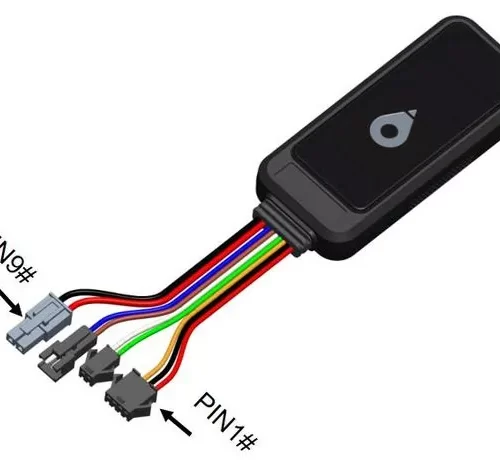
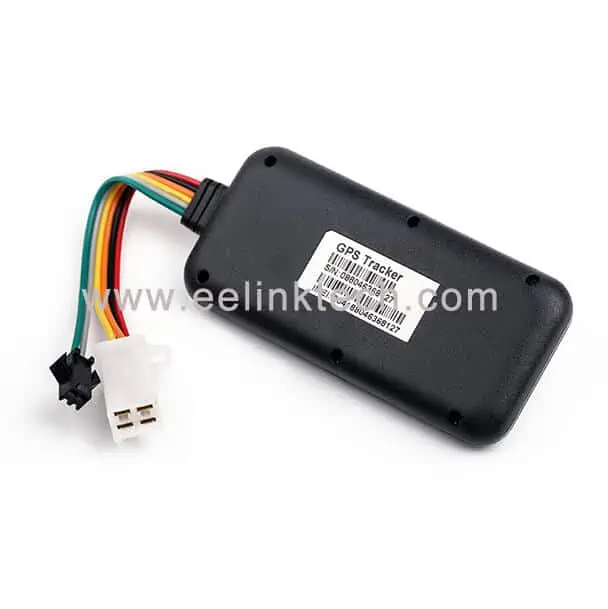
2G or 3G vehicle trackers hard-wired to the vehicle battery
-
Portable trackers with rechargeable lithium-ion packs
-
Occasional satellite devices for extreme routes
These solutions work—but they come with trade-offs:
-
Power dependence
Hard-wired trackers rely on vehicle power. When a trailer is parked for long periods, disconnected, or stored in a yard, devices can be disabled or drain starter batteries. -
Frequent charging and swapping
Portable trackers often run for weeks or a few months on a charge. After that, somebody must find the asset, remove the device, charge it, and reinstall it. Those “hidden” labor costs quickly erode ROI. -
Network sunsets and roaming gaps
As 2G and 3G networks are switched off globally, older hardware becomes unreliable or unusable. Roaming behavior across regions is inconsistent, especially for low-priority IoT SIMs. -
Dark assets
The result is predictable: assets that appear online on paper but, in reality, haven’t reported in weeks because the device failed, lost coverage, or was never re-activated after maintenance.
By contrast, modern multi-year trackers are designed from the ground up as ultra-low-power, long-standby devices. They treat cellular connectivity, GNSS and sensors as things to be scheduled carefully—not left running all the time.
What “Multi-Year” Really Means in Practice
“Multi-year battery life” is often used loosely in marketing, so it’s worth clarifying what it means in a realistic deployment.
A device like GPT12-X / GPT12-X Ultra typically combines:
-
A 5000 mAh lithium-manganese primary battery with very low self-discharge
-
An LTE-M / NB-IoT modem optimized for power-saving modes
-
A multi-GNSS module (GPS, GLONASS, BDS / BeiDou, Galileo, etc.) duty-cycled aggressively
-
A smart sleep / wake engine that only powers up the radio and GNSS when needed
In long-standby mode, the tracker may:
-
Wake once per day
-
Turn on GNSS long enough to get a fix
-
Attach to LTE-M or NB-IoT
-
Transmit a small payload
-
Go back to deep sleep
Under those conditions, GPT12-X class devices can deliver 3–5 years of operation on a single 5000 mAh cell, depending on configuration, radio conditions and environment.
That doesn’t mean the device is always “slow.” When something important happens—like motion, removal, or a geofence violation—the tracker can temporarily switch into emergency mode or higher-frequency reporting, then drop back down to its low-power profile once the event is over.
The art is in designing those profiles so that you get the visibility you need without burning the battery on unnecessary data.
Why LTE-M and NB-IoT Are a Better Fit for Moving Assets
So why are LTE-M and NB-IoT the preferred networks for multi-year trackers?
1. Designed for Low-Power IoT
Both LTE-M and NB-IoT are 3GPP standards designed specifically for low-power, low-bandwidth IoT devices. They support features such as:
-
Power Saving Mode (PSM) – allows devices to sleep for hours or days without re-attaching each time
-
Extended Discontinuous Reception (eDRX) – lets devices check for network messages infrequently while staying registered
These mechanisms dramatically reduce the time the radio needs to be on, which in turn cuts power consumption.
2. Better Coverage and Mobility
Compared to legacy networks, LTE-M offers:
-
Better cell-edge sensitivity
-
Smoother handovers for moving assets (trailers, trucks, rental equipment)
-
Lower latency when you need real-time alerts
NB-IoT, on the other hand, excels at deep indoor and underground penetration, which is useful for static assets inside warehouses or basements. Many modern trackers support both LTE-M and NB-IoT so they can leverage the best available network.
3. Long-Term Network Roadmap
Mobile operators around the world are actively sunsetting 2G and 3G, while positioning LTE-M and NB-IoT as their long-term IoT workhorses. For fleet and logistics projects expected to run for 5–10 years, designing around LTE-M / NB-IoT is increasingly the only sensible choice.
The Operational Benefits of Multi-Year Trackers
From an operations and finance perspective, multi-year LTE-M / NB-IoT trackers unlock four major advantages.
1. Fewer Truck Rolls and Site Visits
Every time a technician must visit a yard, depot, or remote site to replace a device or swap batteries, the total cost of ownership climbs. Eliminating those recurring visits—even a handful per asset each year—adds up to substantial OPEX savings over the life of a project.
2. Reduced Asset Loss and Shrinkage
Long gaps in visibility are when assets “disappear.” When trailers, containers, or equipment sit for weeks without any location updates, unauthorized moves become hard to detect and even harder to investigate.
Multi-year devices configured for low-frequency check-ins plus event-based alarms significantly reduce the window of time in which an asset can go missing unnoticed.
3. More Reliable Data for Planning
Consistent, multi-year data streams support better:
-
Yard utilization analysis
-
Trailer pool optimization
-
Container turn-time calculations
-
Rental fleet utilization and idle asset identification
When devices stay online year after year, analytics teams can trust long-term patterns, not just snapshots.
4. Simpler, Scalable Deployment Models
Because multi-year trackers like GPT12-X Ultra are wire-free, compact and rugged, they fit into more locations and asset types:
-
Under trailer frames
-
On container doors or inside recesses
-
On generators, compressors, or other rental equipment
One device family can support multiple business units—without separate wiring standards or power integrations.
GPT12-X Ultra as a Reference Architecture
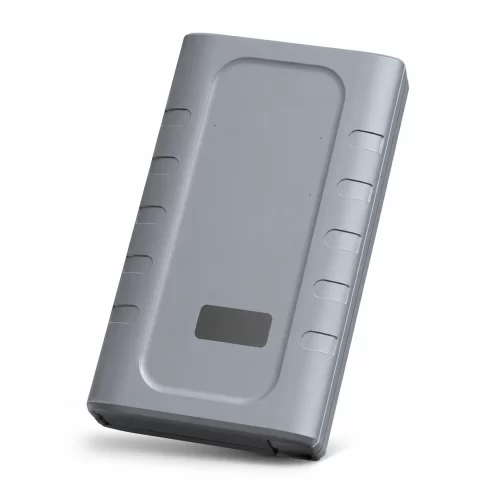
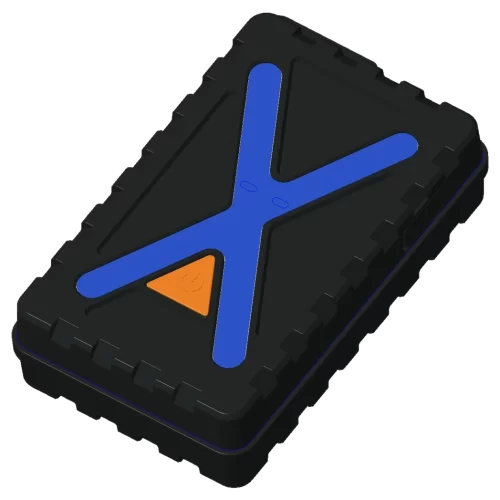
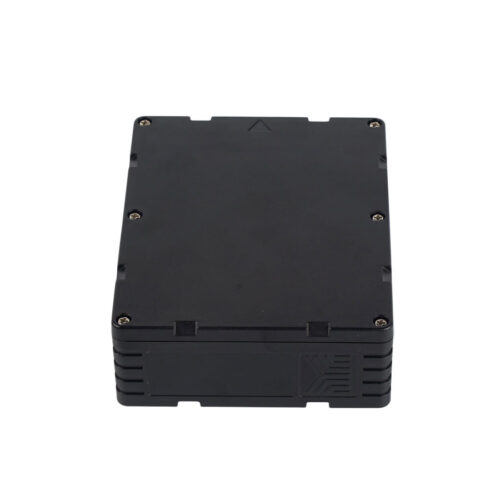
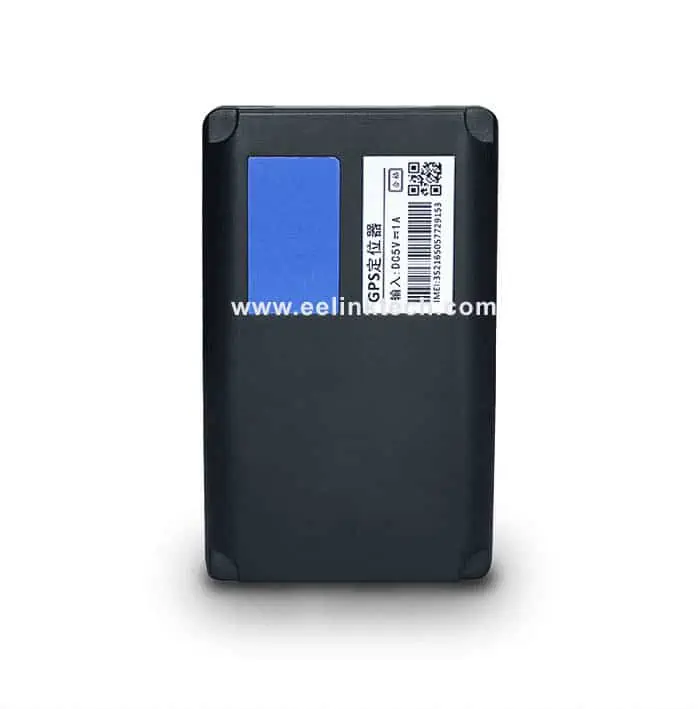
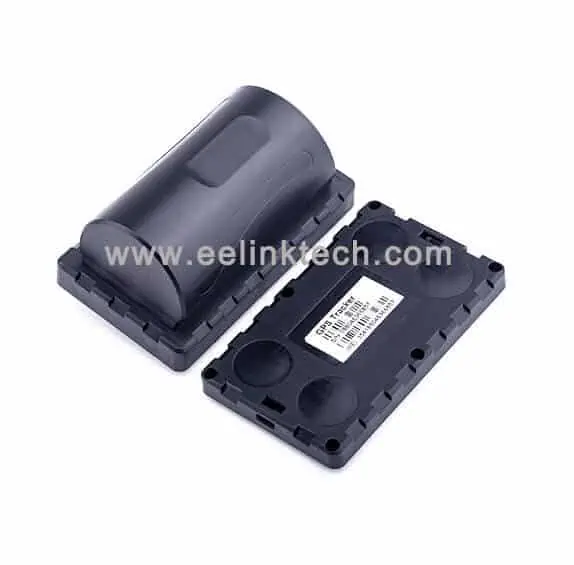
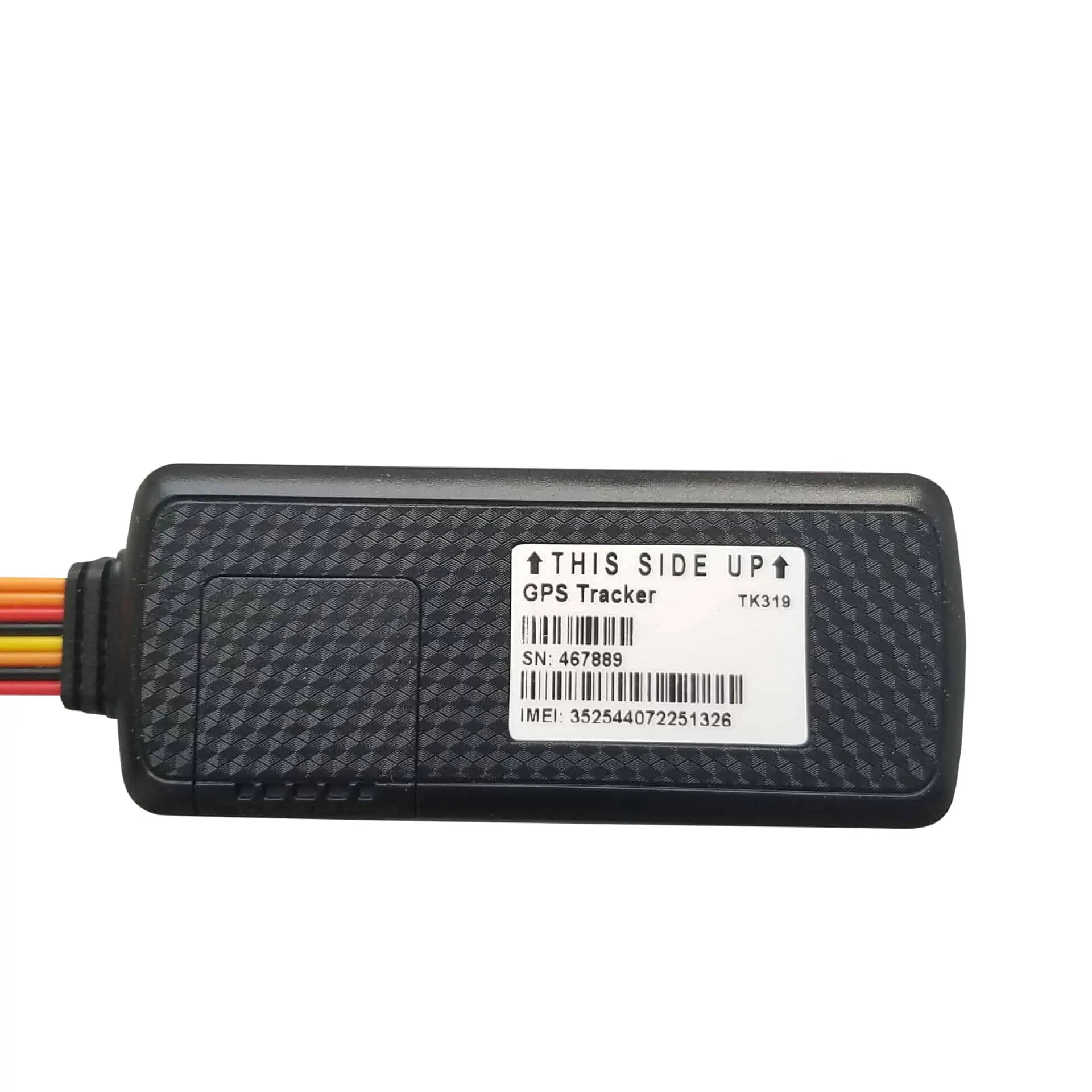
To make these ideas concrete, let’s look at GPT12-X Ultra, EELINK’s next-generation multi-year asset tracker designed for fleets, containers and industrial assets.
Hardware Platform
GPT12-X Ultra is built around Nordic’s nRF9161 SiP, which combines:
-
LTE-M / NB-IoT modem covering a broad set of global bands
-
Multi-constellation GNSS support
-
Integrated MCU and security features
On top of this SoC, EELINK pairs:
-
A 5000 mAh lithium-manganese primary battery optimized for low self-discharge
-
A compact housing designed to be roughly the size of a name card, around 100 × 53 × 12.5 mm and ~80 g for easy concealment
-
Internal antennas, motion sensor and light sensor for tamper and movement detection
Operating Modes and Sleep / Wake Logic
Like the GPT12-X product family, GPT12-X Ultra supports multiple operating modes:
-
Long Standby Mode – very low-frequency reporting (for example, once per day) to maximize battery life
-
Emergency Mode – high-frequency reporting for live tracking during theft, loss or critical events
-
Trip Mode – optimized for shipments and journeys with more frequent updates while in motion
-
Activity Mode – intermediate profiles for day-to-day operations
Wake-up triggers include:
-
SMS commands – wake the device on demand to change profiles or request live locations
-
Motion sensor – start reporting when movement is detected
-
Light sensor – detect removal or tampering when light suddenly hits the device
-
Button / One-Key – allow field staff to trigger events or switch profiles manually
This architecture allows operators to run extremely conservative profiles most of the time, while retaining the ability to elevate tracking immediately when operations demand it.
Connectivity and Coverage
GPT12-X Ultra supports LTE-M and NB-IoT bands commonly used across North America, Europe and Asia-Pacific. This enables:
-
Cross-border tracking for international freight
-
Yard and depot visibility for fleets operating in multiple regions
-
Deep-indoor coverage for assets stored in warehouses or parking structures
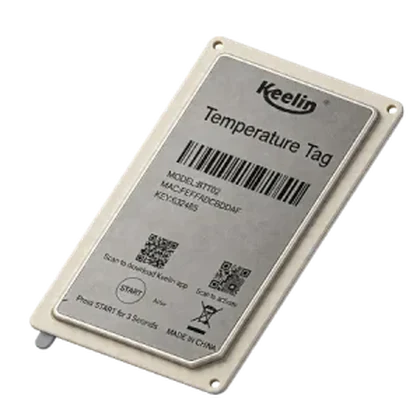
Combined with cloud platforms such as EELINK’s Keelin platform, users can view live routes, historical trips and alarm logs from web dashboards and mobile apps.
Practical Playbooks: Where Multi-Year LTE-M / NB-IoT Trackers Fit Best
To decide whether a multi-year device like GPT12-X Ultra is a good fit, it helps to think in terms of playbooks—repeatable patterns where long-life trackers shine.
Playbook 1: Trailer Pools and Drop-and-Hook Operations
Scenario
-
Large fleets with hundreds or thousands of trailers
-
Trailers dropped at customer sites, yards, or railheads for days or weeks
-
Frequent “where is my trailer?” questions from dispatch and customers
How a multi-year tracker helps
-
Daily or twice-daily check-ins provide enough visibility for planning
-
Motion-triggered wake-ups indicate when a trailer leaves a site unexpectedly
-
Geofence alerts prevent trailers leaving defined territories without dispatch approval
The key is that trailers can carry a tracker for several years without technicians swapping devices, even if the tractors change frequently.
Playbook 2: Global Container and Pallet Shipments
Scenario
-
Dry containers and pallets moving by sea, rail and road
-
Multi-week or multi-month transit times
-
Limited or no access to external power
How a multi-year tracker helps
-
Long-standby profiles cover entire journeys with a single device
-
SMS or platform-based commands can temporarily increase reporting frequency at key milestones—port arrivals, customs checks, or hand-offs
-
Light or motion sensors can signal when a container is opened or tampered with unexpectedly
Instead of using disposable loggers that produce data after the fact, operators gain near real-time visibility without the cost of satellite hardware.
Playbook 3: Rental & Construction Equipment
Scenario
-
Generators, compressors, lifts, and specialty machines rented to different sites
-
Assets scattered across contractors, projects and cities
-
High losses from unreturned or “forgotten” equipment
How a multi-year tracker helps
-
One device per asset, installed once for multiple rental cycles
-
Geofences around job sites and depots detect when equipment leaves expected areas
-
Usage patterns over months and years inform purchasing and redeployment decisions
Because power wiring is often impractical and assets may sit unused for long periods, multi-year battery-powered trackers are far easier to standardize on than wired alternatives.
Implementation Checklist for Fleet and Asset Teams
If you’re considering multi-year LTE-M / NB-IoT trackers, here is a practical checklist:
-
Clarify your reporting requirements
-
How often do you really need location updates in steady state?
-
Which events must trigger real-time tracking (movement, geofence, door open, tamper)?
-
-
Map out coverage along your corridors
-
Confirm LTE-M and NB-IoT availability along your primary routes and yards
-
Consider local roaming partners and SIM strategies
-
-
Run a pilot with at least one full asset life cycle
-
For trailers: include idle yard time, loaded trips, drop-and-hook cycles
-
For containers: cover at least one full door-to-door journey
-
For rental assets: cover one or two rental contracts, including idle periods
-
-
Measure real OPEX impact
-
Track maintenance visits avoided
-
Compare loss rates before and after deployment
-
Quantify time saved in locating and reallocating assets
-
-
Standardize on profiles and playbooks
-
Define a small set of operating modes and thresholds for different asset types
-
Document them as playbooks so that operations teams can repeat success at scale
-
Conclusion: From “Where Is It?” to “How Do We Use It Better?”
Multi-year LTE-M / NB-IoT trackers are not just another gadget in the fleet technology toolbox. They represent a shift in how organizations think about visibility:
-
From short-term fixes to multi-year infrastructure
-
From reactive recovery to proactive planning and optimization
-
From device babysitting to quiet, reliable telemetry in the background
Devices such as GPT12-X Ultra show what this new generation looks like in practice: compact, ultra-low-power hardware; smart sleep / wake logic; and global LTE-M / NB-IoT coverage wrapped into a single tracker that can stay in the field for years.
If your trailers, containers or equipment are still going dark because of legacy hardware, now is a good time to evaluate whether multi-year LTE-M / NB-IoT tracking can change the economics of your fleet.
You don’t have to redesign your entire operation overnight. Start with a focused pilot on one asset class, measure the impact, and then scale the patterns that work.