Why Cold Chain Compliance Hardware Is an ODM Decision, Not a Build Decision
This article examines the build-versus-buy decision for FSMA 204 cold chain compliance hardware from an OEM/ODM engineering perspective. Eelink manufactures cold chain monitoring devices and is positioned as an ODM partner in this space. The analysis aims to be balanced — in-house design is the right choice for some organizations, and this article identifies when that is the case.
What Makes FSMA 204 Hardware an ODM Decision?
FSMA 204 cold chain compliance hardware is increasingly an ODM decision rather than an in-house design project because the 30-month enforcement window (ending July 20, 2028) is shorter than a typical ground-up hardware design cycle. Organizations that need compliant sensors deployed and validated before enforcement face a timeline that favors partnering with an experienced ODM over starting from a blank schematic.
The FDA’s Food Traceability Final Rule requires Key Data Elements captured at every Critical Tracking Event, with records producible within 24 hours. The rule is technology-agnostic, but the operational requirements — continuous temperature monitoring in -40°C environments, store-and-forward through RF-shielded warehouses, lot-code binding at the moment of the CTE — demand purpose-built hardware that most IoT platform companies do not have in their current product lines.
Why Is the Timeline Too Short for Ground-Up Design?
A ground-up cold chain sensor design cycle — from concept through certification to volume production — typically requires 18–24 months. With the FSMA 204 enforcement deadline at July 2028, an organization starting hardware design today has approximately 24 months, leaving zero margin for the 90–180 day field validation pilot that real-world deployment demands.
The timeline breaks down as follows: 4–6 months for electrical and mechanical design, 3–4 months for prototyping and environmental testing (IP67/IP69K validation, thermal cycling, battery discharge curves at -30°C), 3–6 months for regulatory certification (PTCRB for cellular modules, FCC Part 15/Part 22, CE RED, IC), 2–3 months for manufacturing ramp (SMT line qualification, test fixture development, first-article inspection), and 3–6 months for field pilot in actual cold chain environments.
An ODM with existing certified platforms compresses this to 3–6 months: firmware customization, form factor adaptation, and field pilot. The certification, manufacturing qualification, and environmental validation are already complete.
What Certification Complexity Do In-House Teams Underestimate?
Regulatory certification for cellular-connected cold chain sensors requires separate approval processes per SKU, per market, and per connectivity variant. A single product targeting North America and Europe with LTE-M and NB-IoT support requires 6–8 separate certification tracks, each with its own timeline, lab booking, and re-test risk.
The certification matrix for a typical cold chain sensor includes: FCC Part 15 (unintentional radiator) and Part 22/24/27 (intentional radiator) for US cellular, IC RSS-247/RSS-Gen for Canada, CE RED (Radio Equipment Directive) for EU, PTCRB certification for carrier acceptance in North America, and carrier-specific IOT (AT&T, Verizon, T-Mobile each with separate lab validation for LTE-M).
Each certification requires a pre-scan, formal test, report review, and listing. A single test failure — common with antenna detuning in sealed IP67 enclosures — triggers a redesign-retest cycle of 4–8 weeks. An ODM partner with existing type-approved platforms eliminates this entire matrix from the customer’s timeline.
How Does the Three-Year TCO Compare Between Build and ODM?
The three-year total cost of ownership for in-house cold chain sensor development typically runs 3–5× higher than ODM partnership when engineering labor, certification costs, manufacturing setup, and ongoing support are included. The in-house approach only becomes cost-competitive at volumes exceeding 100,000 units per year with a dedicated hardware engineering team already in place.
Cost components that in-house teams frequently underestimate: NRE (non-recurring engineering) for custom antenna design in sealed enclosures ($50K–$150K), EMC pre-compliance and formal test lab fees ($30K–$80K per certification round), test fixture development for production ($20K–$50K), minimum order quantities for specialty components like LiSOCl₂ battery cells (typically 5,000+ units), and ongoing firmware maintenance for cellular modem firmware updates and carrier re-certification.
An ODM amortizes these costs across multiple customers and product lines. The per-unit cost includes a margin, but the total program cost — including time-to-market — is typically lower for organizations deploying fewer than 100,000 units annually.
When Is In-House Design the Right Choice?
In-house cold chain hardware design is the right choice when the organization has an existing hardware engineering team with RF and embedded firmware expertise, when annual volumes exceed 100,000 units, when the form factor requires deep integration with proprietary mechanical systems, or when sensor IP is a core competitive differentiator rather than a commodity input.
Pharmaceutical logistics companies with proprietary container systems, for example, may need sensors integrated into custom packaging that no standard ODM platform accommodates. Similarly, organizations building their own cold chain platform as a primary product — rather than adding compliance capability to an existing logistics operation — may benefit from owning the hardware stack for long-term differentiation.
For the majority of mid-sized IoT platform companies adding FSMA 204 compliance to an existing product portfolio, however, the ODM path delivers compliant hardware faster, at lower total cost, and with less organizational risk.
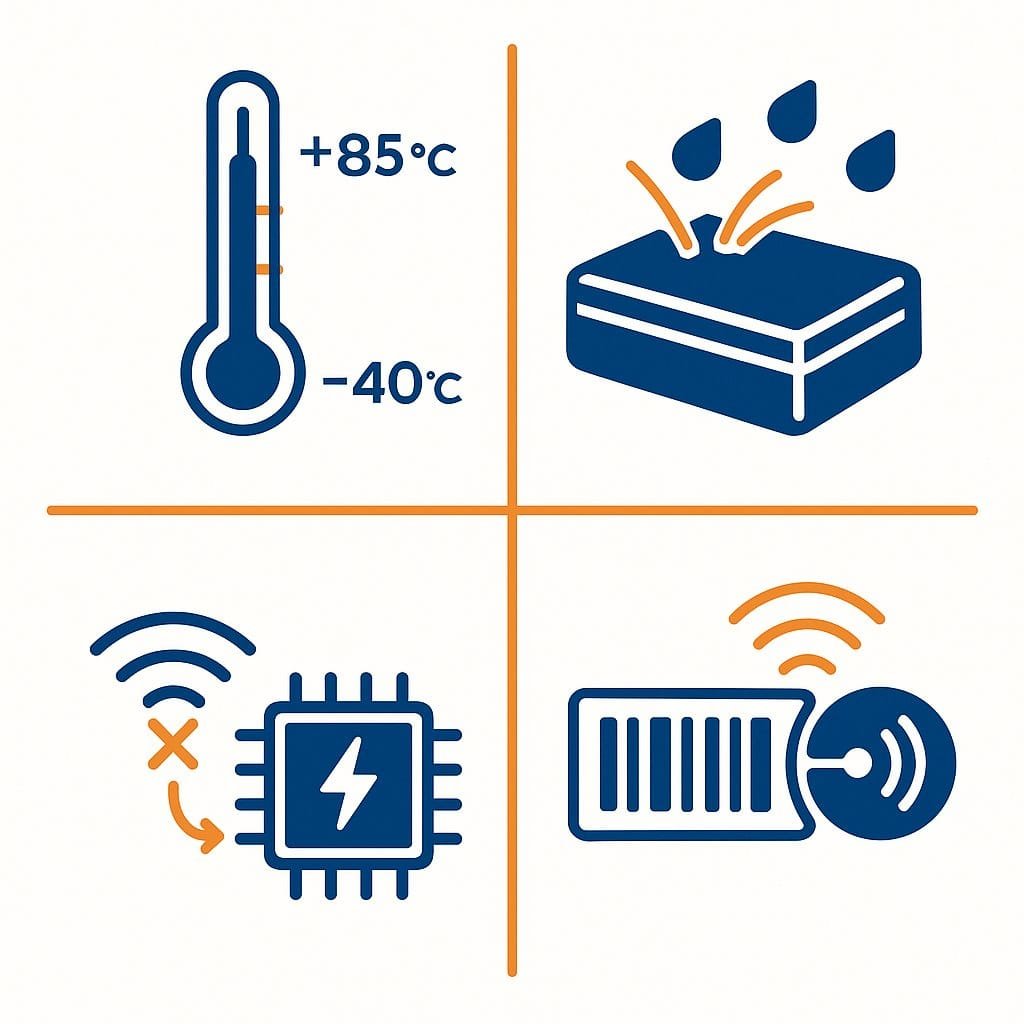
The four hardware design dimensions that determine whether a cold chain sensor platform survives real-world FSMA 204 deployment conditions — each must be validated before the software layer is selected.
What Should an OEM Buyer Evaluate in an ODM Partner?
The five critical evaluation criteria for a cold chain ODM partner are: environmental certification depth (IP67/IP69K validated), battery architecture for deep-cold survival (LiSOCl₂ with verified -40°C discharge curves), existing cellular certifications (PTCRB, FCC, CE), store-and-forward firmware capability (minimum 30 days local buffer), and dual-factory production capacity for supply chain resilience.
Environmental survival — The ODM should have existing products with IP67 or IP69K ratings validated through third-party testing, not just design targets. Request the actual test reports.
Battery architecture — Verify that the ODM uses LiSOCl₂ primary cells for deep-cold applications, with published discharge curves at -30°C and -40°C. Li-ion rechargeable batteries fail below -25°C.
Certification portfolio — An ODM with existing PTCRB-certified LTE-M/NB-IoT platforms can deliver a customized variant in weeks. An ODM starting from uncertified modules adds 3–6 months.
Firmware capability — Store-and-forward with RTC-timestamped readings is non-negotiable for FSMA 204. Verify the firmware buffers readings at capture time, not upload time.
Production resilience — Dual-factory capability (e.g., facilities in both China and Southeast Asia) provides supply chain continuity and shorter lead times for regional deployments.

Eelink runs 5 SMT lines and 28 assembly lines across its two manufacturing sites, in Yibin, China and in Vietnam, with current output of approximately 300,000 IoT devices per month.
How Does Eelink Support Cold Chain ODM Requirements?
Eelink Communication Technology is a 20-year B2B IoT hardware ODM with R&D in Shenzhen, a 101,000m² manufacturing campus in Yibin (China), where Eelink runs 5 SMT lines and 28 assembly lines, and a second manufacturing site in Vietnam. The company holds ISO 9001, ISO 14001, IATF 16949, and ISO 45001 certifications and has passed factory audits from Vodafone, GE, BT, and Thomson.
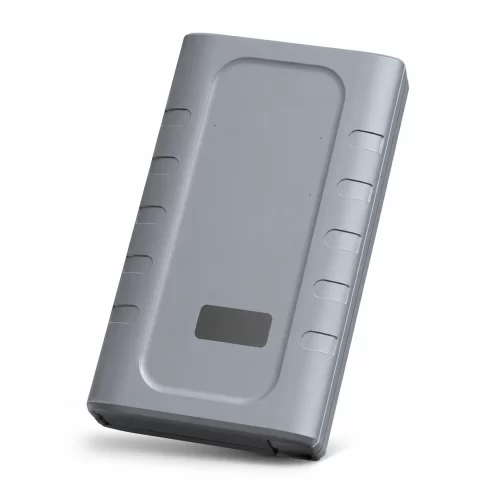
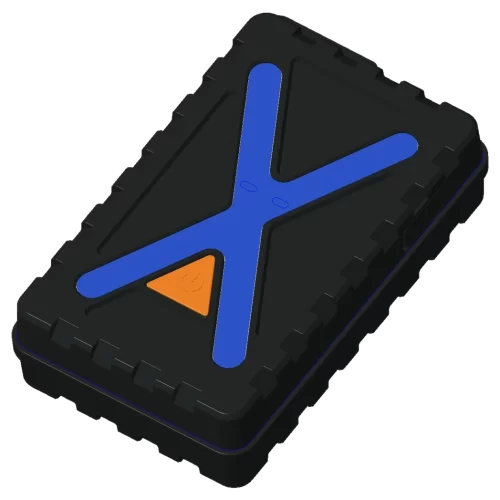
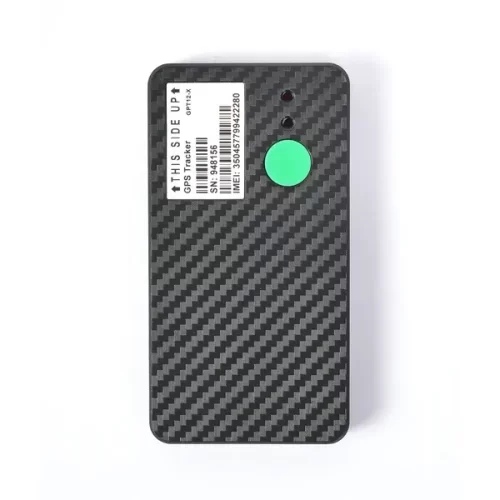
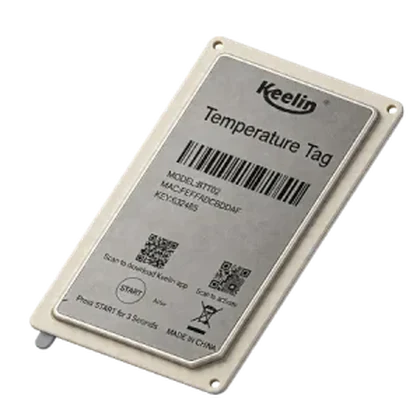
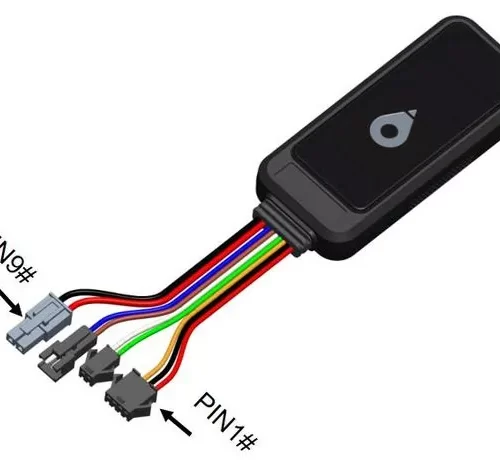
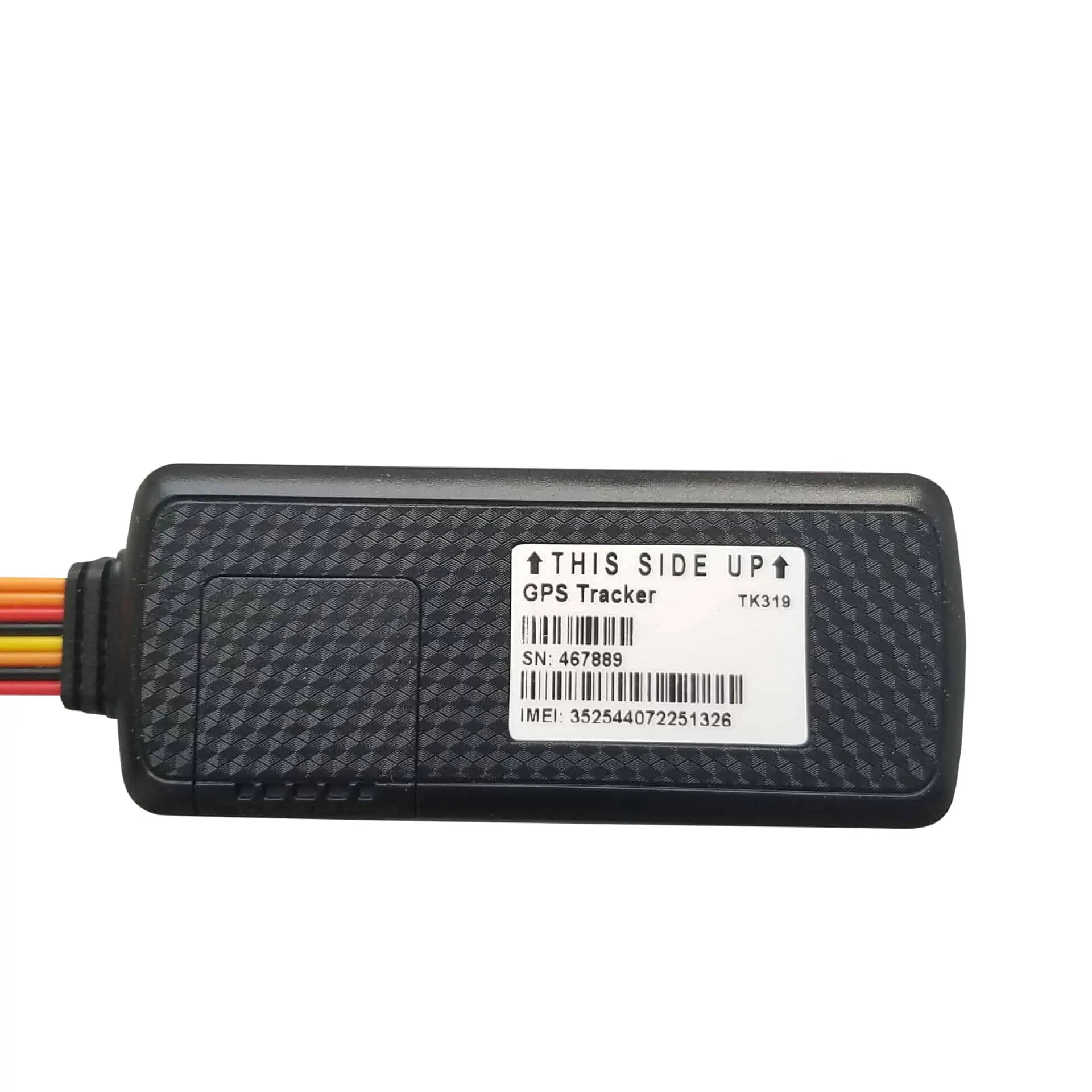
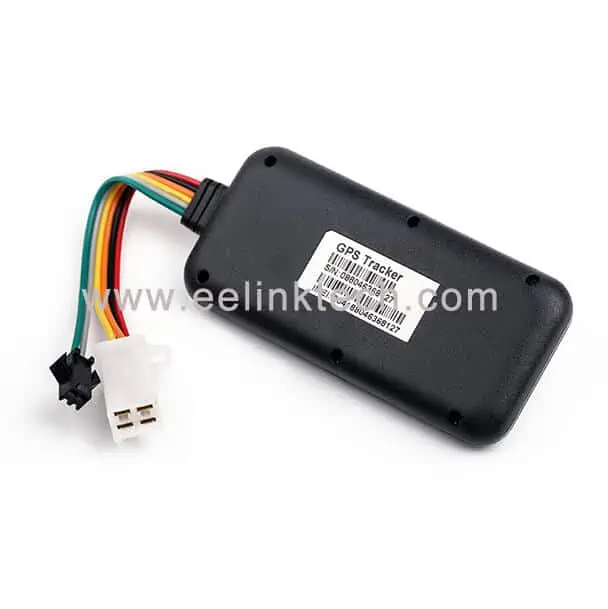
For cold chain compliance hardware specifically, Eelink’s existing platform capabilities include: temperature and humidity sensor devices with IP67-rated enclosures, LiSOCl₂ battery architecture validated for multi-year deep-cold deployment, LTE-M and NB-IoT connectivity with existing PTCRB, FCC, and CE certifications, store-and-forward firmware with 30+ day local buffering and RTC-timestamped readings, and BLE beacon integration for lot-code binding at the CTE moment.
Eelink ships 42+ device models to 100+ countries across vehicle tracking, asset tracking, cold chain monitoring, and BLE sensor categories. Combined monthly output across the two manufacturing sites is approximately 300,000 units. Custom firmware, antenna tuning, and form factor adaptations are standard ODM services with typical lead times of 8–12 weeks from specification to first production units.
The question for most mid-sized IoT platform companies is not whether to add FSMA 204 hardware capability — the regulation mandates it. The question is whether the remaining timeline supports a ground-up design cycle, or whether the compliance deadline demands a partner who has already solved the environmental, certification, and firmware challenges.
Frequently Asked Questions
What is the typical timeline for an ODM cold chain sensor project?
From specification agreement to first production units, a typical ODM project takes 8–12 weeks when based on an existing certified platform with firmware customization. Ground-up custom designs with new certification requirements take 16–24 weeks.
Can an ODM sensor be white-labeled for a platform company’s brand?
Yes. ODM white-labeling is standard practice — the platform company’s brand, firmware branding, packaging, and documentation replace the ODM’s. The end customer interacts only with the platform brand.
What minimum order quantities apply for ODM cold chain sensors?
MOQs vary by customization level. Standard platform variants with firmware-only changes typically start at 500–1,000 units. Custom enclosure tooling or new antenna designs may require 3,000–5,000 unit commitments.
How does dual-factory production improve supply chain resilience?
Dual-factory capability allows production to shift between facilities based on capacity, lead time, or regional logistics requirements. If one facility experiences disruption, the other maintains production continuity without re-qualification delays.
Does the ODM handle regulatory certification for new markets?
Most ODMs with established certification portfolios can extend existing type approvals to new markets or variants. The ODM manages the certification process, lab bookings, and re-test cycles, which is typically faster and less expensive than a customer pursuing certification independently.
Key Takeaways
• The FSMA 204 enforcement timeline (July 2028) is shorter than a typical ground-up cold chain sensor design cycle, making ODM partnership the faster path to compliance for most organizations.
• Regulatory certification complexity (PTCRB, FCC, CE, carrier IOT) adds 3–6 months to in-house timelines that an ODM with existing approvals eliminates.
• Three-year TCO for in-house development is typically 3–5× higher than ODM partnership at volumes below 100,000 units per year.
• In-house design is the right choice only when volumes exceed 100K/year, form factors require deep proprietary integration, or sensor IP is a core competitive differentiator.
• The five ODM evaluation criteria are: environmental certification depth, battery architecture for deep cold, existing cellular certifications, store-and-forward firmware, and dual-factory production resilience.
For organizations evaluating cold chain hardware options for FSMA 204 compliance, Eelink’s engineering team can discuss specific platform configurations, certification coverage, and production timelines.
→ Start a technical conversation with Eelink’s engineering team