Ultra-Low-Power IoT Tracker Design: How EELINK Achieves Multi-Year Battery Life
Asset tracking isn’t just about knowing where something is – it’s about doing so reliably for years without needing to touch the device. If you’ve ever compared GPS tracker spec sheets, you might wonder: why do some trackers die after a few months while others quietly run for years on the same battery? On paper many devices look similar – they use LTE-M/NB-IoT networks, have comparable battery sizes, and share form factors – yet their real-world battery life can differ vastly. The truth is that multi-year battery life doesn’t happen by accident or by simply choosing a big battery. It’s achieved through hundreds of small design decisions across hardware, firmware, and power management that most spec sheets never mention. In this article, we’ll dive into those design choices and how we at EELINK engineer our asset trackers (like the GPT12-X Ultra and GPT48-X) for ultra-low power consumption and multi-year operation in the field.
Why Battery Life Varies: Customers and IoT integrators in North America, Europe and around the world often ask why two trackers with the same 4G LPWAN technology and battery capacity can have one last 6 months and another last 3+ years. The reason is simple: it comes down to how the device is designed and how it uses that battery. A tracker’s longevity is determined by much more than the battery spec – it’s about how efficiently the system sleeps, how sparingly it wakes, how it communicates over the network, and how it adapts to real-world conditions. Below, we break down the key pillars of ultra-low-power design that enable multi-year battery life in IoT trackers.
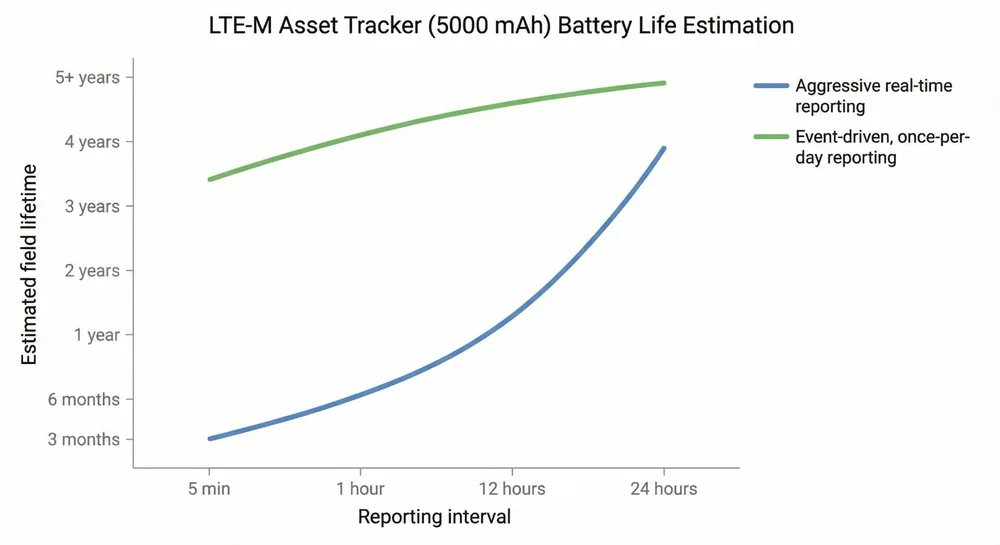
Comparison of battery life for different tracker designs: inefficient design (orange) may drain a battery in mere months, whereas an ultra-low-power design (red) can stretch the same capacity over multiple years. In practice, two devices with identical batteries can have completely different lifespans based on their design approach. Next, we explore what those crucial design strategies are.
Key Pillars of an Ultra‑Low‑Power IoT Design
1. Aggressive Deep Sleep & Idle Current Management
The most powerful tool for extending battery life is minimizing the power draw when the device is idle. High-quality multi-year trackers spend the vast majority of time in a deep sleep state where almost all components are powered down. In deep sleep, a well-designed device only draws current in the microampere range, effectively sipping the battery. For example, EELINK trackers aggressively use deep sleep modes – only the essential circuits (timers or motion sensors) stay awake, while the main processor, GPS module, and cellular modem remain completely off. By keeping baseline sleep current incredibly low and eliminating leakage, a tracker can remain dormant for days or weeks at a time with negligible battery usage. Many off-the-shelf trackers do not fully optimize this; they might continue powering sensors or peripherals unnecessarily, or never enter the deepest sleep available. Our design philosophy is to default to “off”: every subsystem is designed to shut down when not actively needed. Components like voltage regulators and power switches are chosen for ultra-low quiescent current, so that the battery isn’t quietly drained by the circuitry itself. This relentless focus on reducing idle current is what allows a device to sit in the field for months on end with minimal battery impact.
2. Event‑Driven Reporting Instead of Frequent Intervals
Another huge factor is how often the device wakes up to report. Some trackers are programmed with a fixed high-frequency reporting interval (e.g. every 5 or 10 minutes) no matter what – a recipe for fast battery depletion. In contrast, an ultra-low-power design uses event-driven logic and adaptive intervals. The device might wake up only when something happens – e.g. motion is detected, a door opens (light sensor trigger), or a scheduled check-in time arrives – rather than on a rigid frequent timer. For routine status, the tracker can report just a few times per day or when movement/activity is detected, instead of constantly “pinging” the server. This approach dramatically cuts down unnecessary transmissions and GNSS fixes. For instance, our GPT-series trackers support a “long standby” mode where they report once per day (or at another set interval) and sleep the rest of the time. But if an important event occurs – say the asset starts moving – the device can switch to an active mode and report in real-time. By balancing low-frequency heartbeat reports with burst reporting during critical events, the tracker provides useful data only when needed, preserving battery when it’s not. This event-driven strategy ensures long idle periods don’t eat battery, while still giving immediate updates when something goes wrong (movement, tampering, geofence breach, etc.).
3. Optimized Cellular Connectivity (PSM, eDRX and Retry Logic)
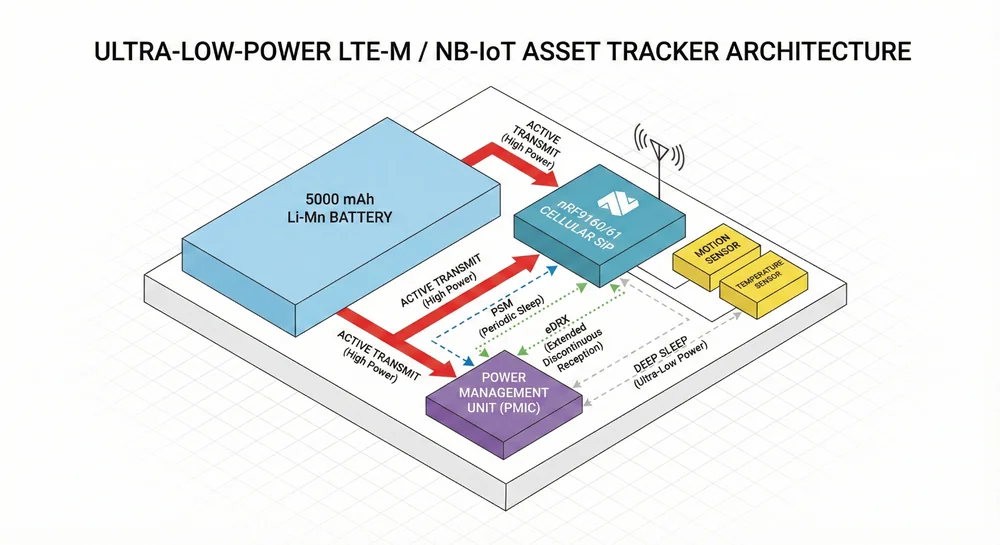
The choice of network and how the device uses it has a massive impact on power. EELINK’s devices leverage LPWAN technologies like LTE Cat-M1 and NB-IoT, which are specifically designed for low-power, intermittent IoT communication. But simply using an LTE-M/NB-IoT modem isn’t enough – you must configure and tune its behavior. Two 4G trackers on the same network can have very different battery drain depending on their modem settings. Our trackers fully exploit Power Saving Mode (PSM) and Extended Discontinuous Reception (eDRX) features of LTE-M/NB networks to reduce power usage. In PSM, after the device reports in to the cellular network, it essentially tells the network “I’m going to sleep now; don’t expect me for a while.” The tracker stays registered but turns its radio completely off for a defined period (which can be hours or days). During that time it draws virtually no power for connectivity. eDRX, on the other hand, controls how often the device checks for incoming messages from the network while idle – we configure it so the device “listens” very infrequently (perhaps once every few seconds or minutes instead of every Paging cycle) to save energy. By aligning our reporting intervals with PSM sleep cycles, the tracker can effectively disappear from the network between reports, yet still be reachable for critical commands on a schedule.
Equally important is tuning the modem’s network search and retry logic. In poor coverage areas, a naive device might constantly scan for signal or attempt to reconnect repeatedly, burning through power. We implement careful logic to pace reconnection attempts, use optimal radio transmit power, and handle dead zones gracefully. For example, if a tracker is inside a metal container with no signal, banging its head against the network will just kill the battery. Our firmware can recognize such scenarios and back off or enter a deep sleep retry cycle, rather than continuous full-power searches. In addition, our devices support SMS or trigger-based wake-ups – meaning if you need to locate a sleeping device immediately, you can send an SMS or command to wake it (the device will periodically brief-listen for such triggers using eDRX). This is far more efficient than having the tracker report frequently just in case someone needs it. In summary, a low-power IoT design treats the cellular modem as an expensive energy asset – keeping it off as much as possible, waking it only when necessary, and using every network feature to minimize radio usage. This is especially crucial for global deployments in North America, Europe, etc., where LTE-M and NB-IoT coverage is still expanding – devices must handle patchy signals intelligently to avoid battery drain.
4. Adaptive Firmware with Smart Modes
Ultra-low-power trackers typically run complex firmware state machines that govern different power modes and transitions, rather than a single fixed routine. At EELINK, we design firmware with multiple operational modes – e.g. “long standby mode,” “active tracking mode,” “emergency recovery mode,” etc. Each mode adjusts parameters like how often to wake, which sensors are active, and how frequently to send data. The device can switch modes based on conditions or commands. For example, our trackers start in a Long Standby mode (ultra power-save) for normal operations, waking maybe once a day for a report. If movement is detected or a theft alarm is triggered, the device can automatically elevate to an Emergency mode where it reports every few minutes or even real-time, to help recover the asset. Once the event is handled, the tracker can revert to standby mode to conserve energy. This mode-based approach is far more efficient than a one-size-fits-all loop. It means the tracker isn’t paying an energy penalty for high-frequency tracking when it isn’t needed, but the capability is there on-demand. We also incorporate thresholds and geofence triggers – for instance, if an asset stays stationary, the device might lengthen the interval between GPS fixes; if it crosses a geofence or starts moving, that event triggers an immediate upload. Designing the firmware around these events and states (instead of simple timers) gives tremendous flexibility to tune behavior per use-case. An IoT integrator can configure different profiles for a container that mostly sits in a yard (very infrequent updates) versus a rental equipment that moves daily (more regular pings). Ultimately, this adaptive firmware ensures the tracker only expends energy when there is value in doing so.
5. Power-Efficient Hardware Platform (SiP & Battery Selection)
Low-power design has to be baked in from the hardware level up. This starts with choosing the right core silicon and battery chemistry. In our devices we use advanced System-in-Package modules like Nordic’s nRF91 series LTE-M/NB-IoT SiP, which integrates the cellular modem, GNSS receiver, and a microcontroller into one highly efficient chip. This integration reduces the number of external components (each of which could draw power) and allows for centralized power management. The nRF91 is designed from the ground up for low-power IoT, with built-in support for PSM/eDRX, and extremely low standby current when the radio and CPU are in sleep mode. By using such a platform, we ensure the tracker’s “brain” is optimized for deep sleep and can wake quickly when needed. In addition, multi-year trackers benefit from having GNSS on the same SiP – the Nordic chip’s GNSS can be power-managed tightly alongside the modem, and it can leverage features like assistance data and hot starts to reduce time-to-fix (and thus active time) whenever possible.
Equally important is the battery and power architecture. Multi-year devices typically use primary lithium batteries (non-rechargeable) that have very low self-discharge and high energy density. For instance, the GPT12-X Ultra uses a sealed 5000 mAh lithium-manganese dioxide (Li-MnO2) cell, and the larger GPT48-X uses an 8000 mAh Li-MnO2 cell. These cells are chosen because they can hold their charge for years (losing only a few percent to self-discharge per year) and they operate over a wide temperature range – essential for devices deployed outdoors in both winter cold and summer heat. The power architecture is designed such that the entire device runs off this single cell at a low nominal voltage (around 3V), avoiding inefficient voltage conversions. We incorporate high-efficiency regulators only where needed and use MOSFET-based power gating to cut off power to subsystems completely in sleep. The result is a system where every microwatt is accounted for. We even budget energy for things like future firmware over-the-air (FOTA) updates and sensor calibration over the device’s life. By planning the power budget up front (rather than adding features and figuring out power later), we ensure that even with periodic updates or configuration changes, the battery life target is met. To sum up, selecting a low-power hardware platform and battery, and designing the circuit to eliminate waste, is a foundational pillar – you cannot hack your way to multi-year life on an inefficient hardware base.
6. Real-World Testing and Scenario Tuning
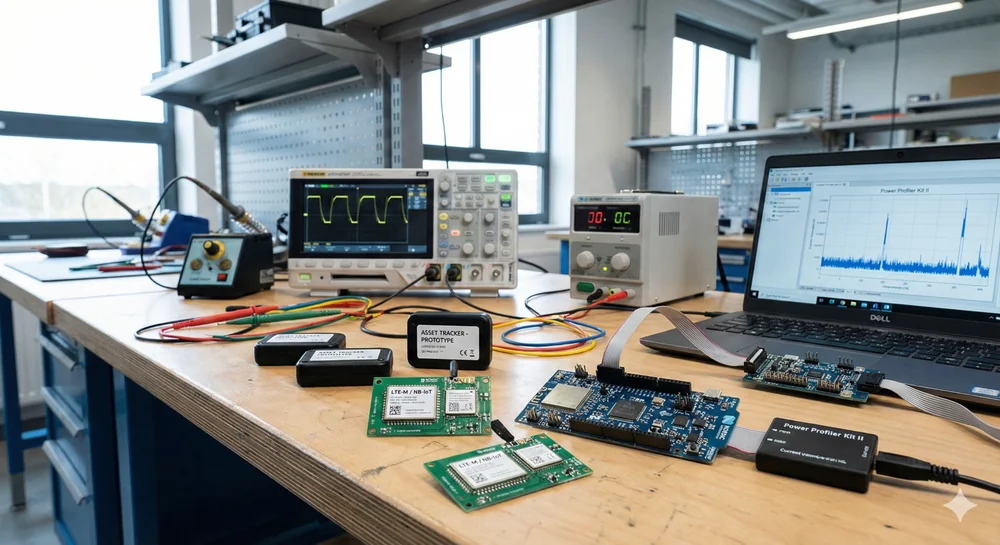
Designing for ultra-low-power isn’t just a one-time configuration – it’s an iterative process of testing under real-world conditions and refining the behavior. Lab tests might show a device lasting 5 years when pinging once a day under perfect signal conditions, but reality is often different. We rigorously test our trackers in the field – inside trailers, in busy ports, in rural farmlands – to observe how they behave on different mobile networks and in motion/vibration scenarios. These tests often reveal opportunities to tweak the firmware: for example, adjusting the GPS fix timeout to a slightly longer duration if we find that in real cold-chain installations it takes longer to get a fix, or modifying the sleep strategy if certain assets tend to have motion “micro-events” that we want to ignore to avoid unnecessary wake-ups. One lesson we’ve learned is to match the firmware behavior to the real installation scenario, not just lab conditions – e.g., if a tracker will be on a cargo container that sits still for weeks then goes on a 2-day voyage, the power profile should be very different from that of a tracker on a delivery van that moves daily. We incorporate feedback from integrators and clients in North America, Europe and beyond to optimize default settings for various use cases (shipping containers, rental equipment, pallets, etc.). This real-world tuning extends to the mechanical design too: for instance, ensuring the motion sensor sensitivity is just right to detect legitimate movement but not false-trigger from a slight vibration (which could wake the device unnecessarily). Additionally, our trackers include sensors like light sensors to detect tamper (removal from an asset) – these are tuned so that they don’t trigger frequent false alarms but will wake the device immediately if someone unmounts it (exposing it to light). All these fine-tuning steps ensure that the device’s power usage in the wild aligns with expectations and that there are no surprise drains. In short, achieving multi-year life requires holistic optimization – from silicon to software to sensors – verified by real-world operation, not just theoretical calculations.
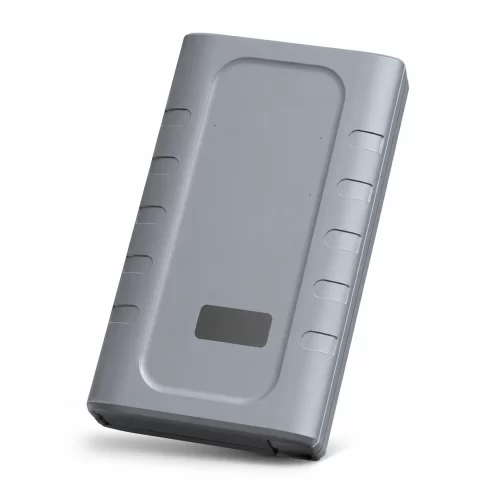
Simplified internal diagram of a multi-year asset tracker, showing a large 5000 mAh primary battery and an integrated LTE-M/NB-IoT + GNSS module (Nordic SiP) inside a compact enclosure. Thoughtful hardware integration is key: by using a single highly-integrated module for communication and processing, and a high-capacity low-self-discharge battery, the device’s physical design supports the low-power strategy. But it’s the firmware and power management decisions layered on top that truly unlock years of battery life.
EELINK’s Multi‑Year Trackers in Action: GPT12‑X Ultra & GPT48‑X
After exploring the design principles above, it’s worth looking at how they come together in real products. EELINK has developed a range of ultra-long standby GPS trackers built around these exact ideas. Two flagship examples are the GPT12-X Ultra and GPT48-X asset trackers. Both are designed for global logistics and asset monitoring, featuring LTE-M / NB-IoT connectivity, multi-constellation GNSS, and multi-year battery life.
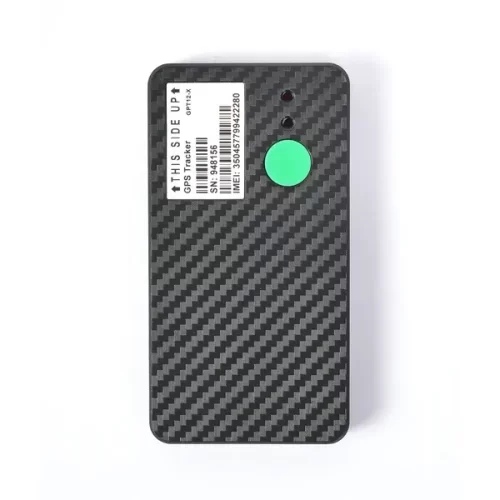
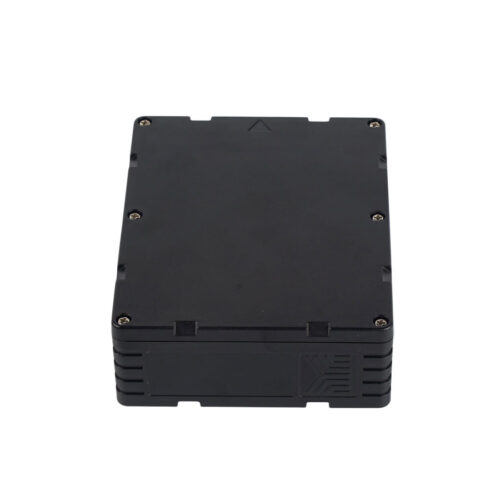
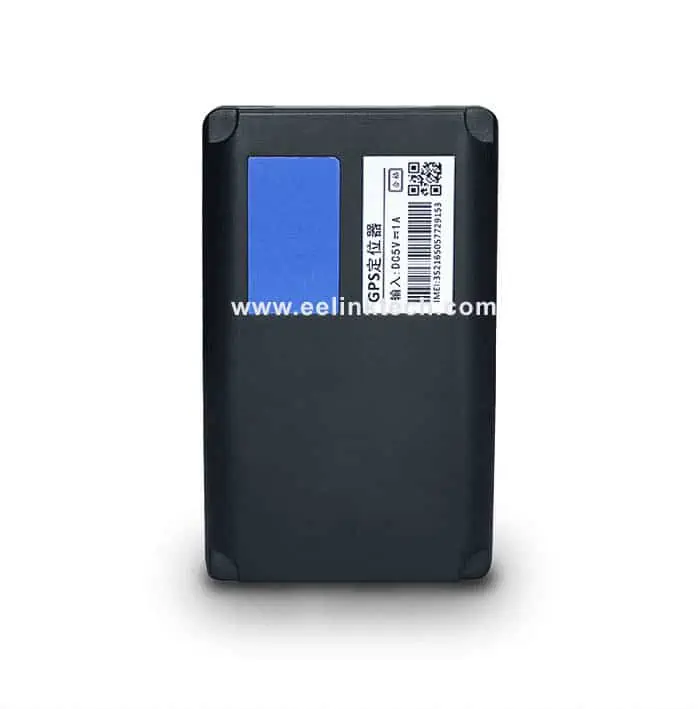
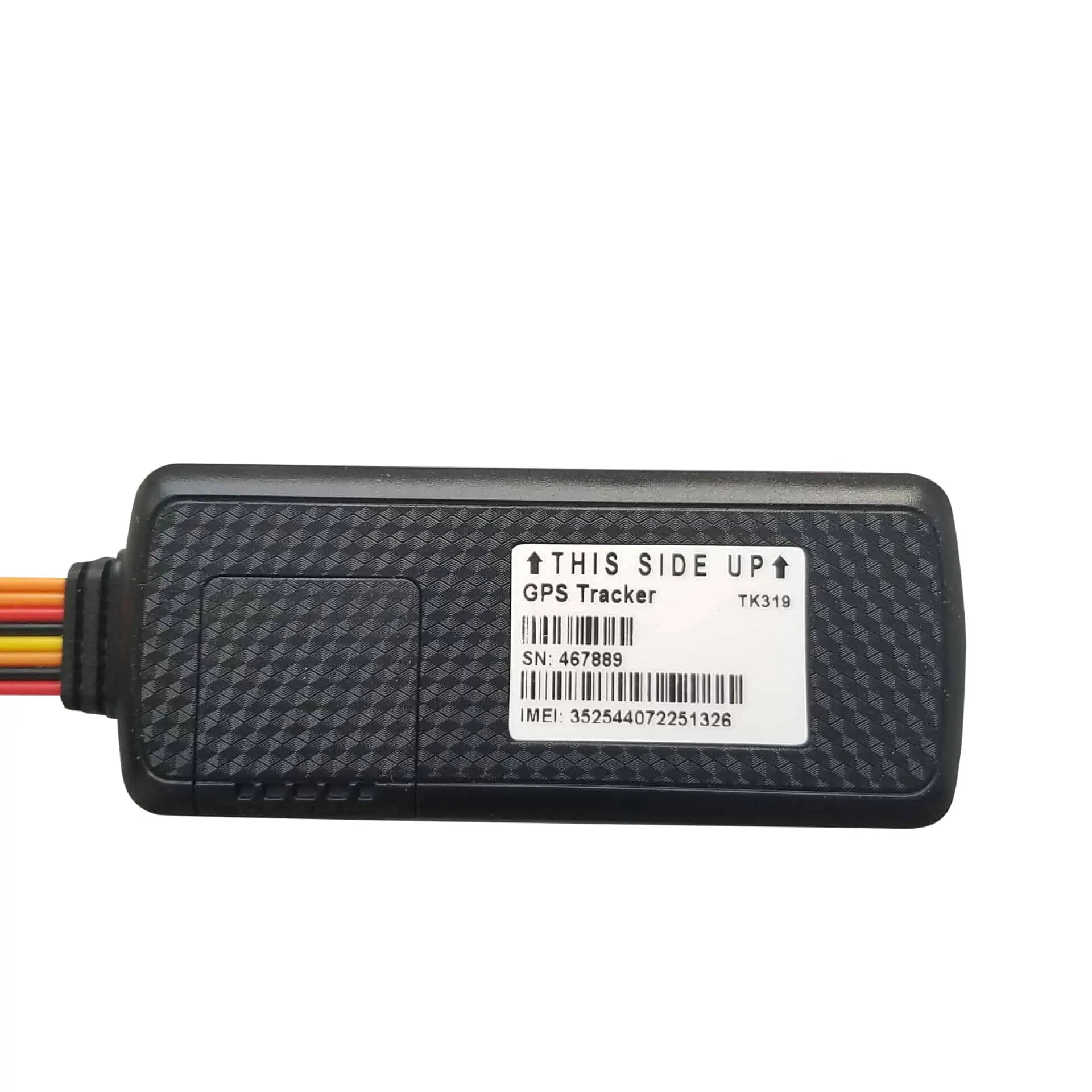
GPT12-X Ultra – a palm-sized tracker (about 100×53×12 mm, ~80g) with a 5000 mAh Li-MnO2 battery. Despite its compact size, the GPT12-X Ultra is built for 3–5 years of operation on a single battery under typical use. How is this achieved? It incorporates the Nordic nRF91x SiP mentioned earlier, and aggressively uses all the low-power techniques we’ve discussed. In the field, this device often runs in a once-per-day reporting mode for general asset tracking – for instance, a pallet in a warehouse can quietly check in with its location each morning. The baseline sleep current is only a few microamps, meaning essentially zero drain when inactive. If that pallet or container starts moving unexpectedly, the GPT12-X’s built-in motion sensor will wake it up immediately to send an alert. It also has a light sensor that can detect if someone removes the device from the asset (exposing it to light) – triggering a tamper alarm. Under the hood, GPT12-X Ultra carefully tunes its LTE-M connectivity: it will use AT&T, Verizon, T-Mobile, Vodafone etc. networks via Cat-M1/NB-IoT depending on where it is, and will remain in PSM between reports. Many customers in Europe and North America appreciate that the device is certified and works out-of-the-box with the LPWAN networks as 2G/3G sunsets, making deployments future-proof. In short, the GPT12-X Ultra embodies the idea that “ultra-low-power” is not a slogan but a design philosophy – every element from the carbon-fiber patterned enclosure (RF-friendly and durable) to the firmware state machine is engineered for longevity.
EELINK GPT12-X Ultra asset tracker (back side with carbon-fiber texture). This compact device can run 3–5 years on its built-in 5000 mAh battery by leveraging deep sleep, event-based wake-up, and efficient LTE-M/NB-IoT communication. The GPT12-X Ultra demonstrates how even a small tracker can outperform much larger devices on battery life when the engineering is focused on power optimization.
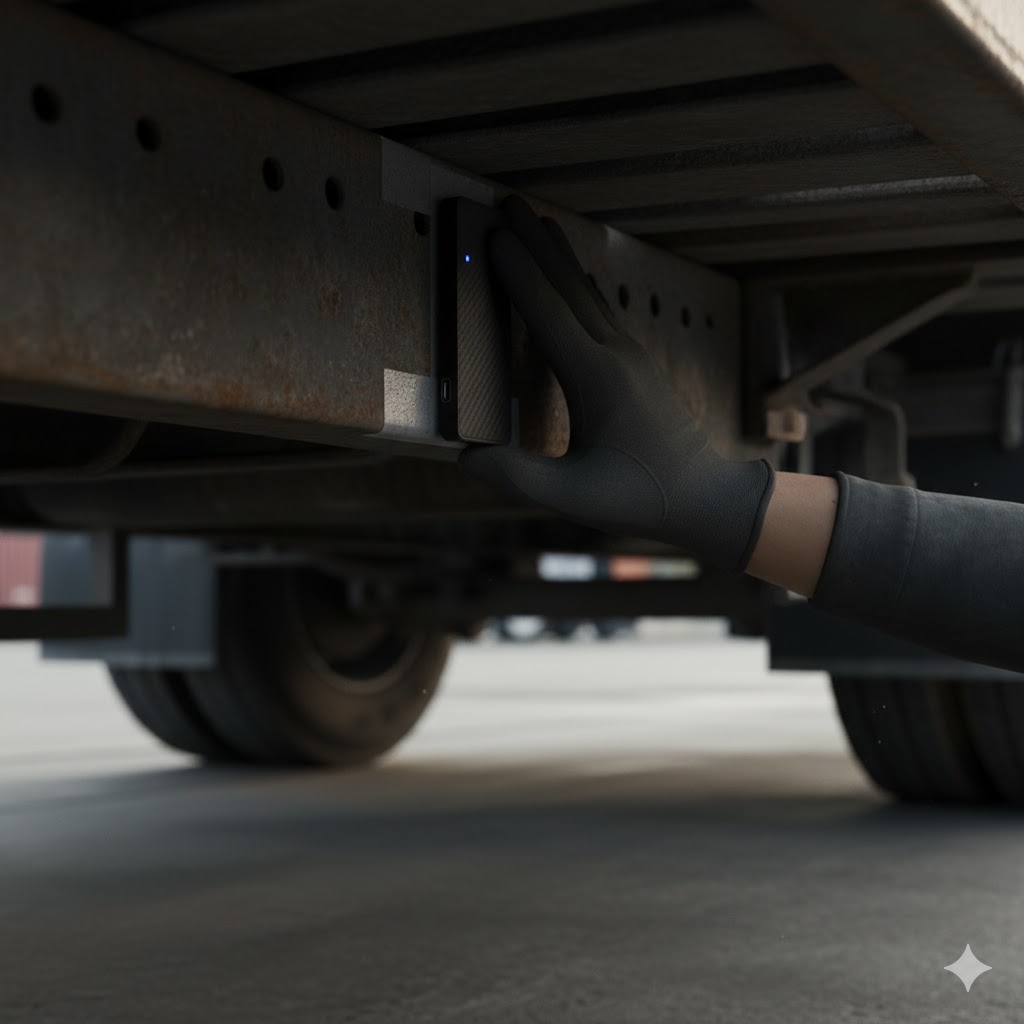
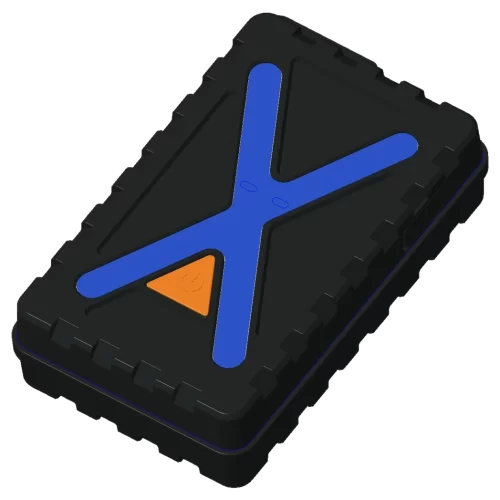
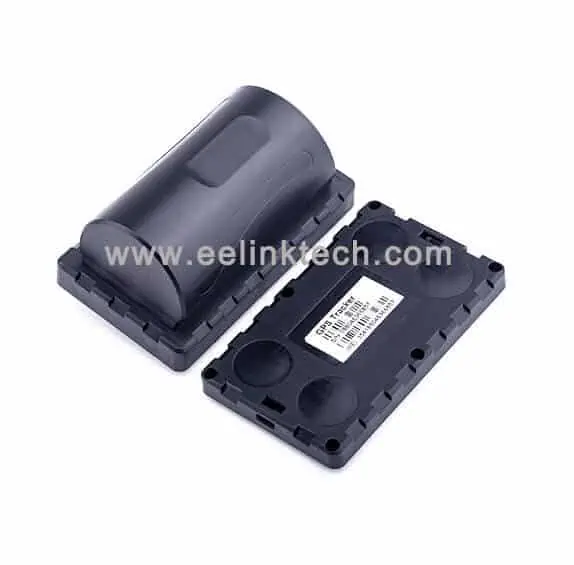
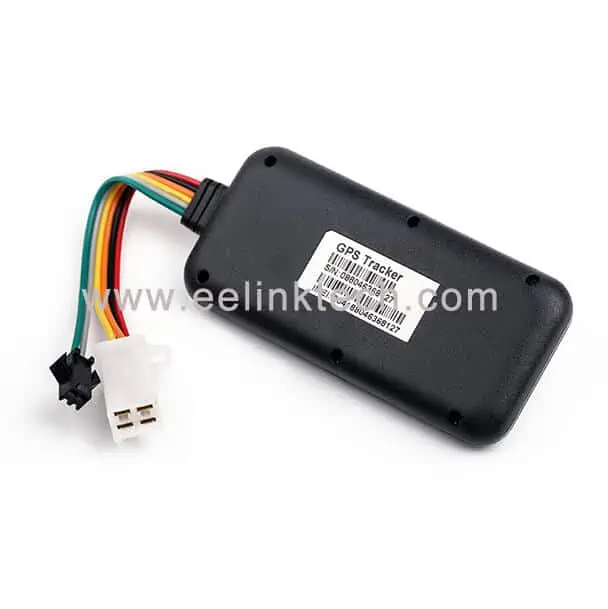
GPT48-X – a rugged magnetic tracker with an even larger battery (8000 mAh) capable of up to 5 years standby on one charge. This unit is about 101×60×25 mm in size (~130g) and comes in a robust IP65-rated enclosure with a strong built-in magnet for easy mounting on metal assets like shipping containers, trailers, or heavy equipment. GPT48-X is essentially the “big brother” of the GPT12-X, applying the same ultra-low-power principles with a bigger power reservoir for longer deployments. It’s ideal for scenarios like long-haul containers or rail cars that might not be checked on for years at a time. In long-standby mode, it can report once a day and otherwise sleep, achieving that multi-year life. But if an urgent situation arises – say a container deviates from its route or a piece of equipment starts moving after hours – the GPT48-X wakes up via its vibration sensor and can switch to live tracking. One notable feature of this model is its strong rare-earth magnetic mount which means installation literally takes seconds (no wiring or drilling). That convenience, combined with not needing battery replacements for years, makes it extremely attractive to integrators managing large fleets of assets. Technically, the GPT48-X uses the same Nordic low-power modem platform and similar firmware architecture as the 12-X, with support for both Cat-M1 and NB-IoT across a wide range of frequency bands (B1/B2/B3/B4/B5/B8/B12/B13/B18/B19/B20/B26/B28, covering most of the Americas, EU, and Asia-Pacific networks). This ensures truly global coverage with a single device – an important factor for international logistics. Like the 12-X, it supports remote configuration and firmware OTA updates, so even over a 5-year lifespan the device can receive security patches or behavior tweaks without retrieval. The GPT48-X is a great example of how scaling up battery size, when combined with the same disciplined low-power design approach, yields a tracker you can deploy and essentially “forget about” for half a decade while still receiving dependable updates.
Both of these devices have been field-tested with integrators and enterprise clients. For instance, logistics providers have deployed GPT12-X Ultras on high-value pallets to reduce loss and optimize inventory rotations – the devices’ long battery means they can be reused through many shipment cycles without maintenance. Likewise, trailer leasing companies use GPT48-X units on their fleet to avoid surprise fees: a tracker that stays active for the entire multi-year lease of a trailer ensures the owner knows exactly when and where that trailer was used (preventing unauthorized use and allowing timely pick-up when the lease ends). In all cases, the feedback echoes the same points: not all trackers are built alike, and the difference becomes obvious after 6-12 months when some competitors’ units have long died while EELINK’s are still going strong.
Conclusion: Engineering that Makes the Difference
Building a tracker that can operate for years on a single battery isn’t magic – it’s engineering discipline and a holistic approach to power design. As we’ve seen, it involves choosing the right low-power hardware (like a cellular/GNSS SiP), carefully managing sleep and wake cycles, leveraging network power-saving features, and crafting smart firmware that reacts to events and modes rather than fixed schedules. It means thinking through use cases (and worst cases) to eliminate wasteful behavior, and testing devices in the real world to fine-tune every microamp. At EELINK, we’ve made ultra-low-power design a core expertise: it’s baked into our hardware, our firmware algorithms, and even our cloud protocol (we use a lean binary protocol to minimize payload sizes – every byte transmitted is energy spent, so we avoid bloated messages). The result is that a tracker with the same battery and radio module as others can perform like a completely different, superior product when it comes to longevity.
For IoT integrators and businesses planning multi-year deployments, it’s critical to look beyond the spec sheet bullet points. Ask vendors how they achieve the claimed battery life: Do they utilize PSM and eDRX? Have they optimized the firmware for real-world conditions? Can the device handle exceptions (poor signal, theft events) without draining itself? How do they manage OTA updates over years? By asking these questions, you can separate marketing talk from genuine low-power engineering. In our experience, the devices that deliver 3, 5, or even 10 years of operation are those where the designers have painstakingly considered every aspect of power use.
In summary, ultra-long battery life for IoT trackers is absolutely achievable – but it requires a system-wide perspective on power. From the silicon choice down to the software logic, everything must be aligned towards one goal: staying efficient when idle, and being smart about when and how to be active. At EELINK, this philosophy drives product development, and it’s why our trackers have earned the trust of customers worldwide who demand reliability for the long haul. Multi-year tracking shifts the industry from short-term fixes (constantly charging or swapping batteries) to a more sustainable, scalable model where devices truly deploy-and-forget. By focusing on ultra-low-power design, we empower businesses to monitor assets proactively and cost-effectively, with devices that keep working long after others have gone dark.
Interested in deploying multi-year asset trackers or want to learn more about our low-power IoT engineering? Reach out to EELINK – our team of experts is happy to discuss how ultra-low-power design can make your IoT project a lasting success.
FAQ: Ultra-Low-Power IoT Asset Trackers
Q1. Why do some LTE-M / NB-IoT asset trackers last longer than others?
A1. Even when spec sheets look similar, real-world battery life depends on how the system is designed around power. Deep sleep current, event-driven reporting, efficient use of PSM/eDRX, and intelligent retry logic in poor coverage can easily make a 2–3x difference in lifetime. Two trackers with the same battery and modem can behave like completely different products in the field if one is engineered holistically for ultra low power and the other is not.
Q2. How does Power Saving Mode (PSM) reduce power consumption in LTE-M / NB-IoT?
A2. In PSM, the tracker tells the network that it will be unreachable for a defined period and then turns its radio completely off. The device stays registered but doesn’t page or listen during that interval, which means it draws only microamps instead of milliamps. By aligning reporting intervals with PSM cycles, an asset tracker can disappear from the network between uploads and save a huge amount of energy.
Q3. What is the difference between scheduled and event-driven reporting?
A3. Scheduled reporting wakes the device on a fixed timer (for example once per day) to send a status update. Event-driven reporting wakes only when something meaningful happens, such as motion, tamper (light sensor), or a geofence breach. In practice, combining a low baseline schedule with event triggers gives the best of both worlds: minimal idle power usage and instant alerts when something important changes.
Q4. How can multi-year trackers help IoT deployments in North America and Europe?
A4. In US and EU logistics, labor and maintenance costs are high. Multi-year trackers let integrators deploy devices on trailers, containers, rental equipment, or pallets without planning frequent battery swaps or charging cycles. With support for LTE-M and NB-IoT bands used by major carriers across North America and Europe, a single hardware SKU can cover multi-country operations while keeping OPEX low and uptime high.