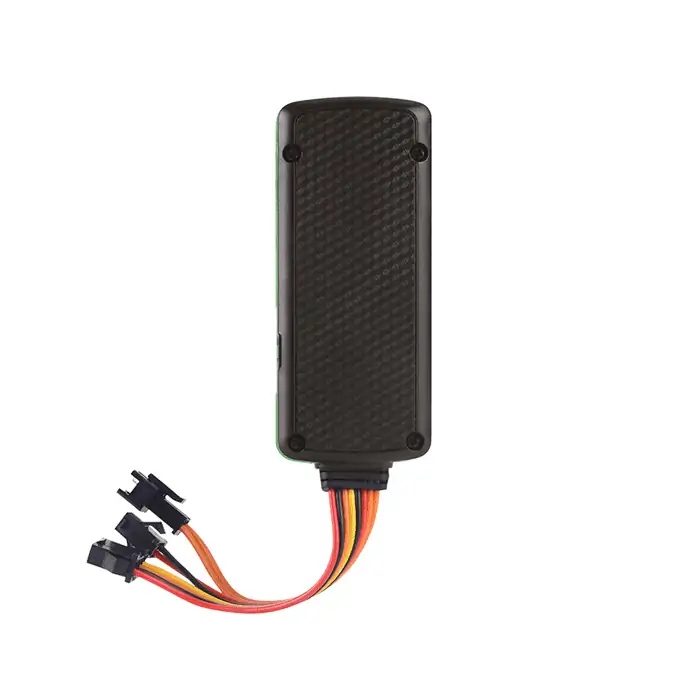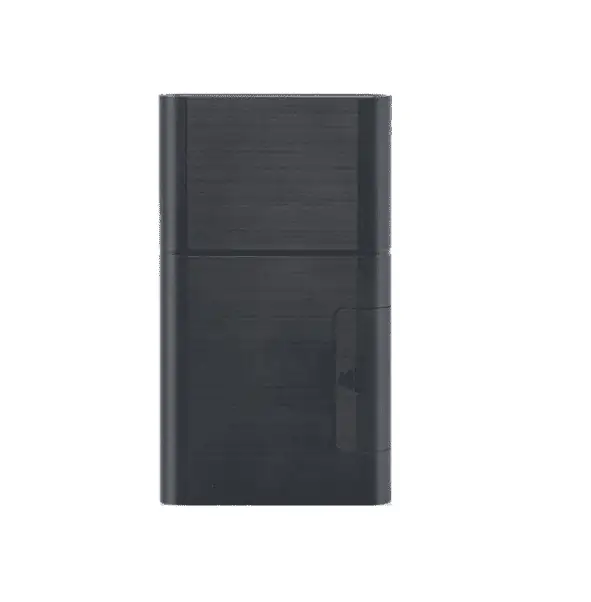
Ultra-Low-Power IoT Trackers Transforming Global Logistics
Introduction
Global logistics enterprises face immense challenges in tracking shipments and assets across complex supply chains. Blind spots in visibility can lead to spoilage, theft, and inefficiencies, especially in cold-chain transport or high-value cargo. Traditional barcode scans or manual logs are too infrequent; even early GPS trackers lacked the battery life and connectivity for continuous monitoring. This is where EELink Communication Technology – an IoT device manufacturer founded in 2004 – is rewriting the narrative. Drawing on in‑house hardware design, vertically integrated manufacturing, and deep logistics domain knowledge, EELink has introduced a suite of battery-powered, multi-sensor asset trackers that deliver years of service on a single charge. These rugged devices operate on ultra-low-power cellular networks and feed data directly into cloud platforms for real-time alerts and analytics. The result is end-to-end visibility: whether you’re monitoring refrigerated vaccines or keeping tabs on an overseas container, EELink’s IoT trackers provide the transparency and control that modern supply chains demand.
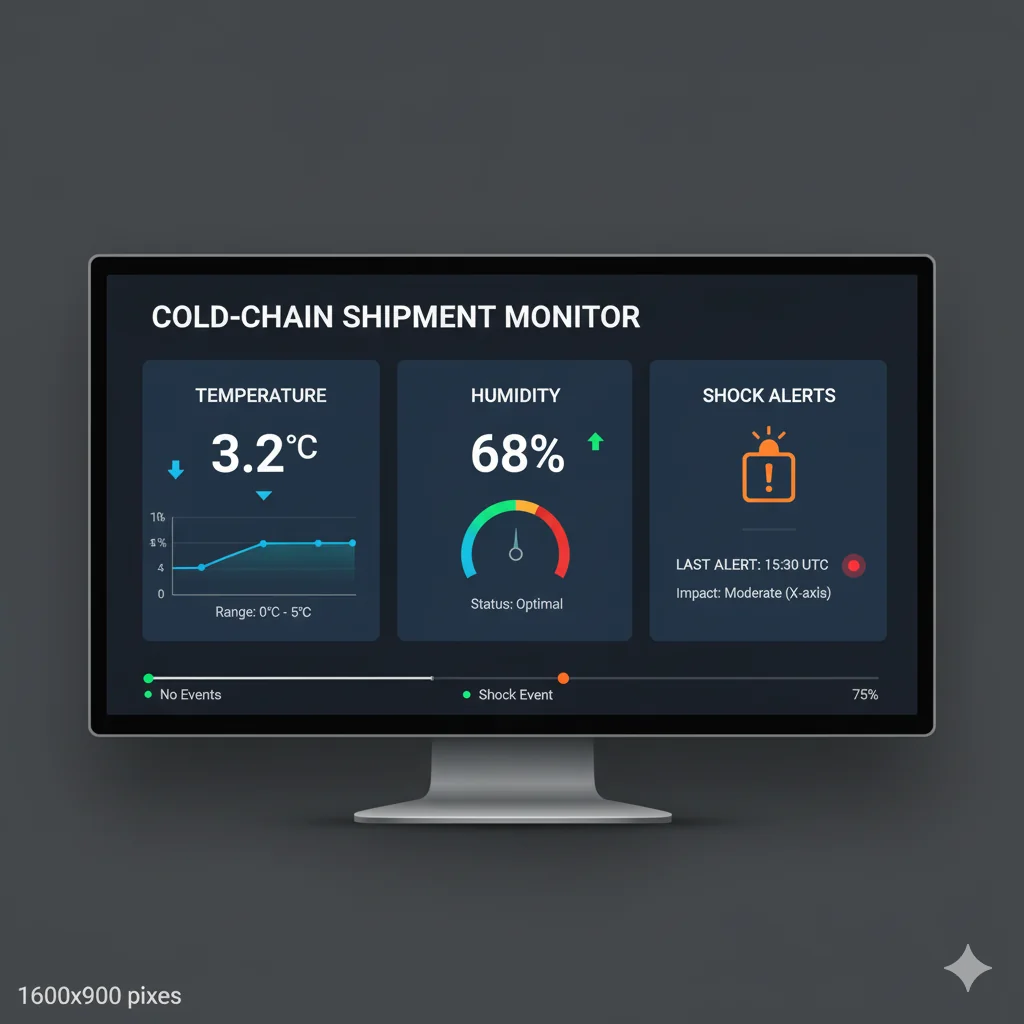
Figure: Cold-chain telemetry dashboard showing temperature, humidity, and shock alerts.
Low-Power Networks for Multi-Year Tracking
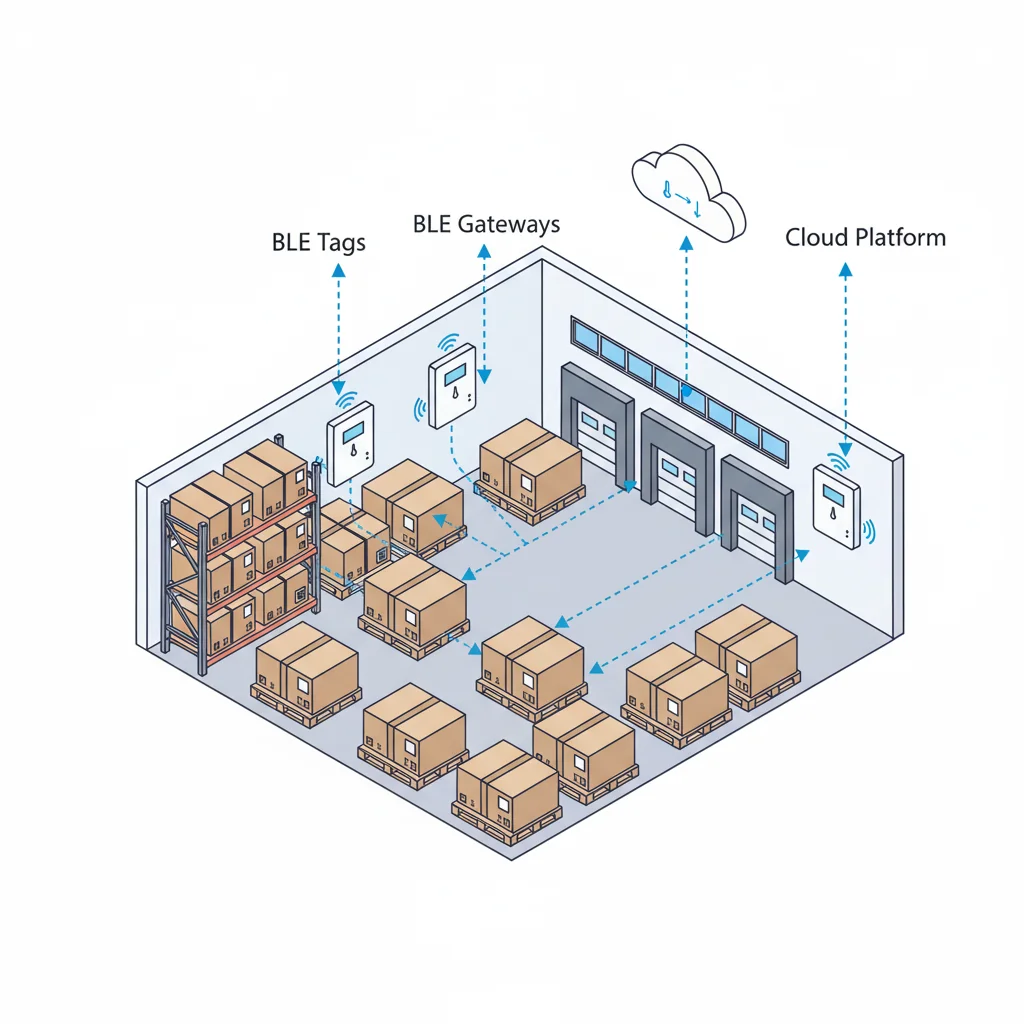
Figure: BLE tags → fixed gateways → cloud architecture for indoor coverage.
At the heart of EELink’s solution is cellular LPWA (Low-Power Wide Area) technology – specifically Narrowband IoT (NB‑IoT) and LTE-M (Cat-M1) networks. Unlike traditional 3G/4G connections, NB‑IoT is optimized for sending small data bursts with minimal energy. Devices can remain in deep sleep and wake only briefly to transmit, enabling multi-year battery life even on compact batteries. For example, EELink’s GPT50 pallet tracker leverages NB‑IoT to provide one location update per day for up to a decade on a single charge. These low-power protocols also offer deep coverage – their signals penetrate warehouses, basement parking, and even inside steel shipping containers where conventional signals struggle. EELink’s trackers are typically dual-mode, combining NB‑IoT with LTE-M and even fallback to 2G in regions where newer networks are absent. This ensures a tracker stays connected globally, hopping to whatever network is available.

Figure: Power cycle for NB-IoT/LTE-M tracker with SMS/eDRX real-time wake.
Notably, many EELink devices use advanced cellular chipsets like Nordic Semiconductor’s nRF9160 SiP, which integrates an LTE-M/NB-IoT modem and GNSS receiver on a single low-power microcontroller. This highly integrated design reduces power consumption and component count. Deep-sleep modes (PSM) and extended discontinuous reception (eDRX) allow the tracker to remain mostly asleep yet periodically listen for incoming messages. In practice, that means a device can operate on microamp-level current between updates. When it’s time to report, the tracker wakes, obtains a GNSS fix, transmits a compact data packet, and then powers back down within seconds. EELink has fine-tuned this cycle to squeeze the most out of every milliamp-hour – as their engineers like to say, turning “wake → locate → send” into honest battery-life projections.
Real-time reachability is also preserved despite aggressive power savings. Thanks to eDRX and intelligent firmware, EELink trackers can be awakened on-demand via a remote command. For instance, if an asset is reported stolen or an anomaly is detected, an authorized user can send an SMS “wake-up” command to trigger the device into active mode immediately. The tracker exits standby and begins live reporting at high frequency (“Emergency mode”) until the situation is resolved. This capability – essentially a real-time remote wake – is a crucial feature for security and exception handling. It combines the best of both worlds: years-long standby battery life with the option of instant, continuous tracking when urgent conditions arise. In summary, by using NB‑IoT/LTE-M networks, power-optimized chipsets, and smart power management (PSM/eDRX/SMS wake), EELink’s devices achieve the holy grail for IoT logistics trackers: always-connected visibility with “set-and-forget” battery endurance.
Rugged Trackers Built for Years in the Field

A compact EELink GPT50 tracker recess-mounted in a wooden pallet, designed for multi-year operation in harsh warehouse conditions.
EELink’s product lineup includes several ultra-long-life asset trackers tailored to different use cases in global logistics. All share a focus on robust hardware, multi-year battery life, and multi-sensor monitoring. Below we highlight key solutions:
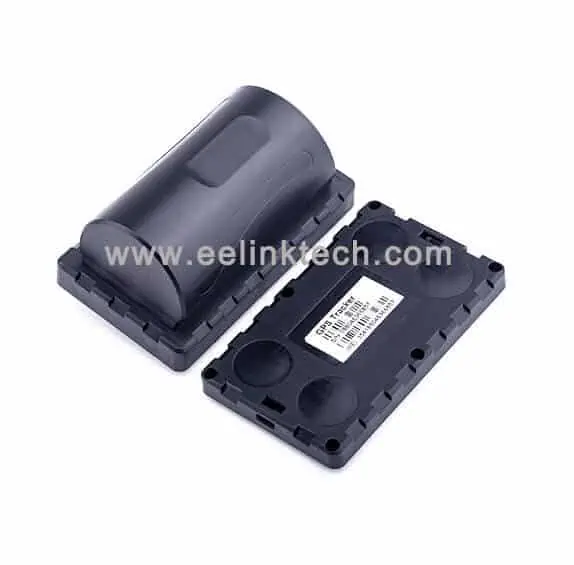
- GPT50 Pallet Tracker: Purpose-built for pallet pools and returnable containers, the GPT50 is a rugged device that can be embedded flush into the underside of a standard wooden pallet. It contains a massive 24,000 mAh lithium battery and intelligent firmware that together enable up to 5–10 years of operation on a single charge. The tracker reports its location once per day under normal conditions, but can increase frequency if needed (e.g. entering an “alert mode”). Power longevity is achieved through a combination of low self-discharge battery chemistry and aggressive duty cycling – the GNSS and cellular modem are powered down between reports, and a motion sensor ensures the device sleeps whenever the pallet is stationary. Despite its deep-sleep habits, GPT50 maintains reliable coverage by using dual-mode cellular connectivity (NB‑IoT / LTE-M, or a Cat-1 module with 2G fallback depending on variant) for global reach. This tracker is also industrial-grade: an IP67/IPX7-rated enclosure shrugs off dust, water, and temperature extremes (–20 °C to +75 °C). Installation is one-time and simple – the device is screwed into a pallet cavity and activated via a button, after which it requires no human intervention for years. For pallet fleet managers, GPT50 essentially offers “attach and forget” convenience: you deploy it and gain full visibility of your pallets’ movements and ambient conditions for the next decade without ever swapping a battery. This dramatically reduces labor and maintenance costs in large-scale operations.
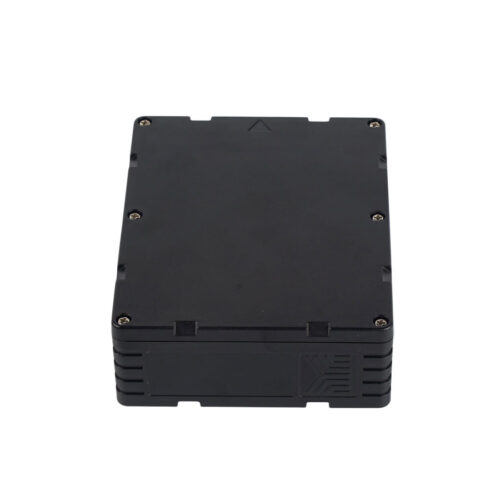
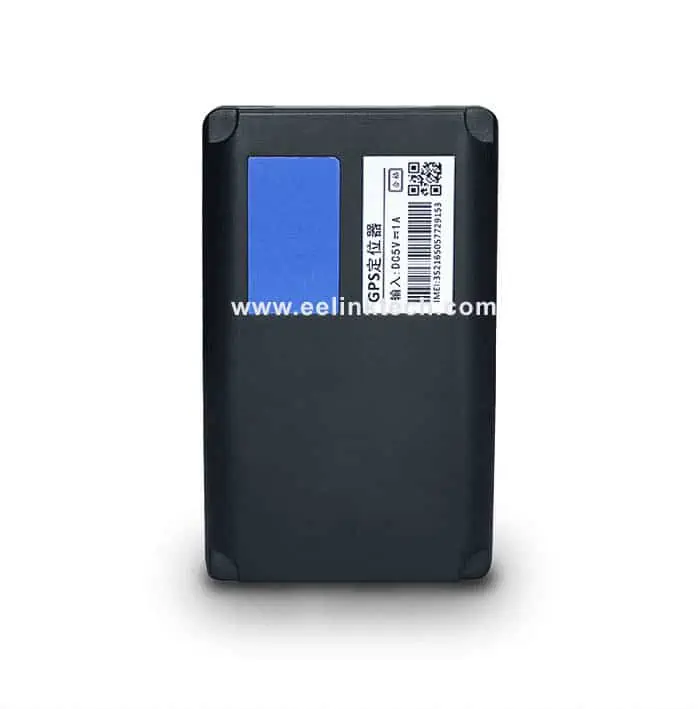
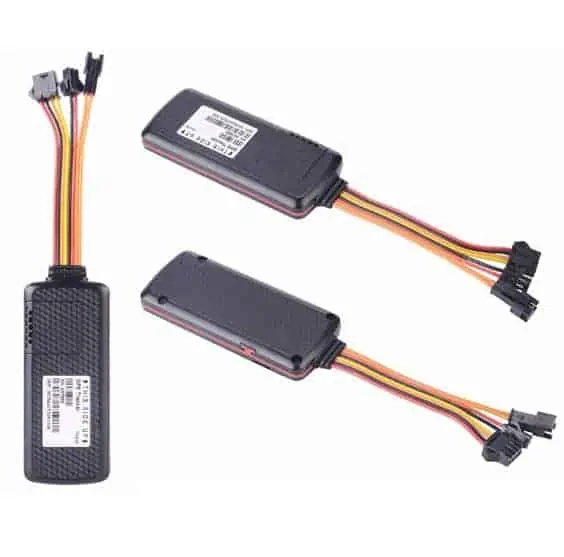
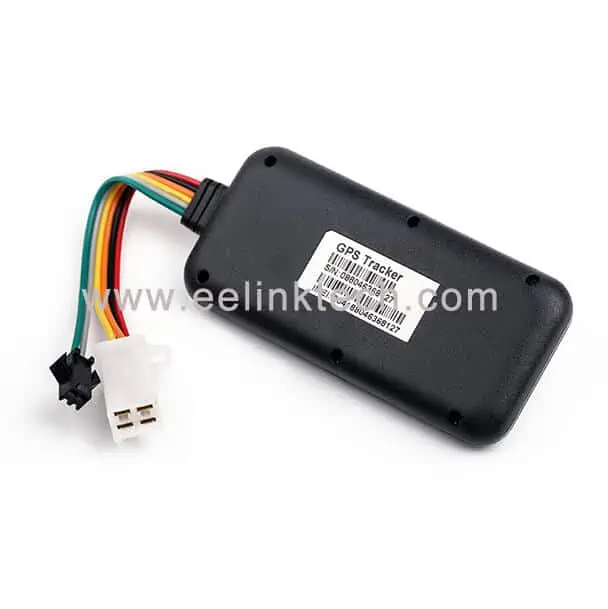
- GPT48‑X Magnetic Tracker: The GPT48-X is a compact, wireless GPS tracker designed to secure containers, trailers, chassis, and other mobile assets that lack external power. Roughly palm-sized at ~101×60×25 mm, it weighs ~130 g and contains an 8,000 mAh primary lithium battery. Strong built-in magnets allow the GPT48-X to be covertly attached to a metal surface (like the side or underside of a shipping container) in seconds, with no wiring. Once mounted, it delivers multi-year tracking (≈5 years standby) similar to the GPT50, but in a smaller form factor. The device supports LTE Cat-M1 and NB-IoT networks for low-power reporting and can operate across North America, Europe, and Asia on a broad range of LTE bands. If GPS signals are ever unavailable (e.g. inside a closed container or a warehouse), the GPT48-X falls back to approximate positioning via nearby cell towers (LBS) to ensure you still have a location fix within ~100–200 m. Like the pallet tracker, it uses a dual-mode firmware: a normal standby mode for periodic check-ins (say one ping per 24 h), and an emergency high-frequency mode that can be activated remotely via SMS or by alarm triggers. The moment the built-in 3-axis accelerometer detects movement or shock, the GPT48-X can wake and send an immediate alert; similarly, a light sensor can detect if the unit is pried off its dark mounting spot, flagging a potential tamper. Its enclosure is rated IP65 and survives –20 °C to +65 °C, ensuring rain, dust, and vibration are non-issues. The GPT48-X is truly a “deploy-and-forget” tracker for fleet and asset managers – once affixed to a container or trailer, it will quietly log movements and environmental data for years, yet can spring into action with live tracking if an asset deviates from its route or signals distress.
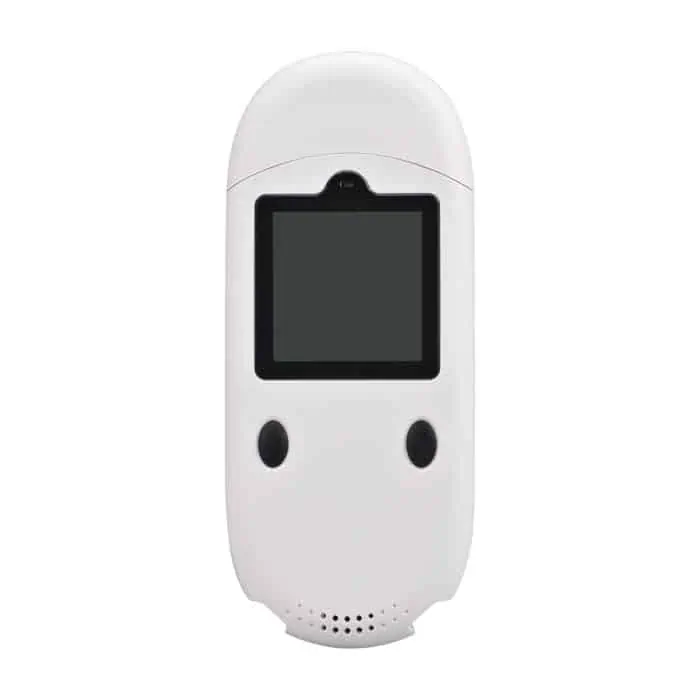
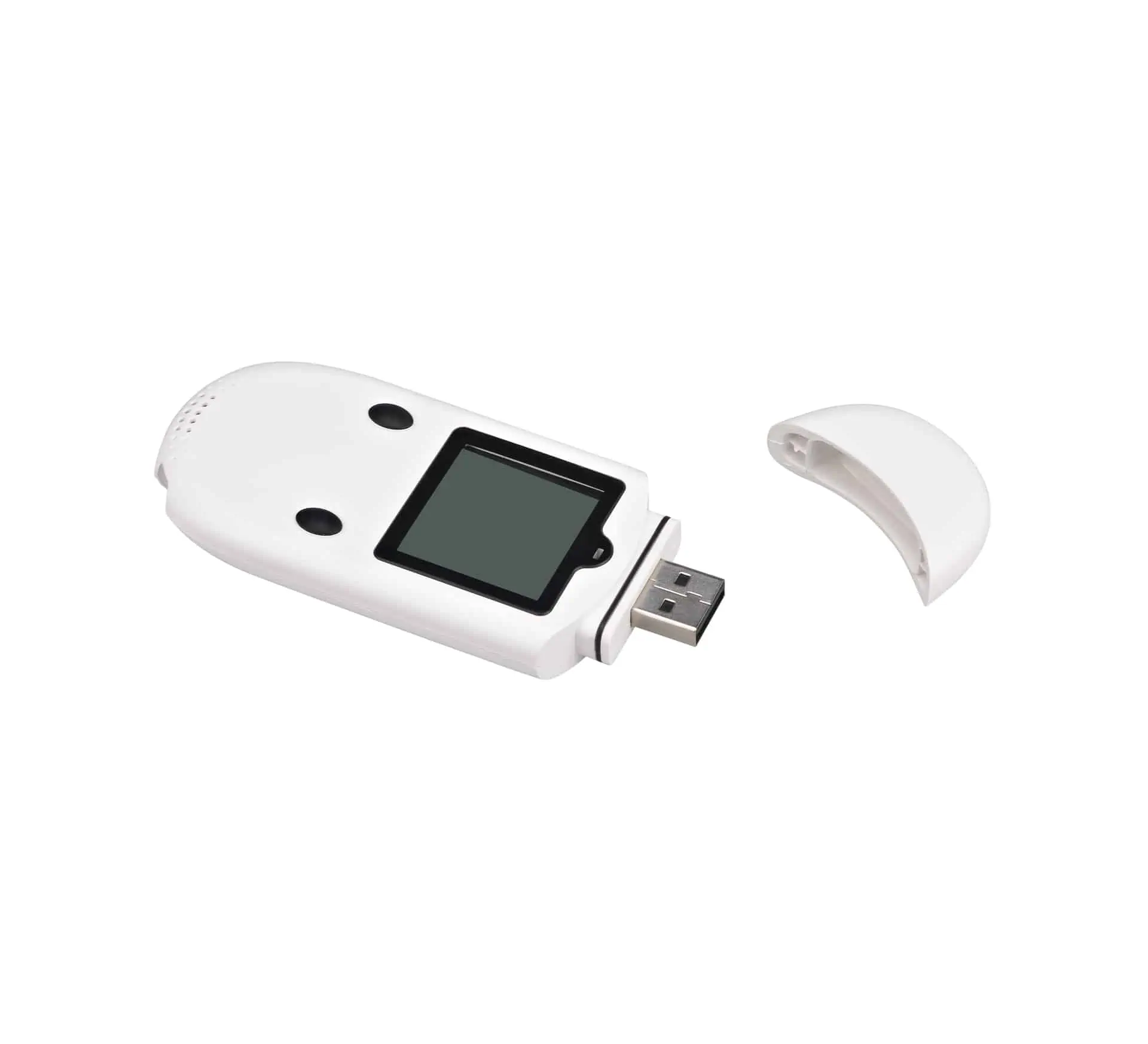
- GPT29 In-Transit Smart Tracker: For real-time monitoring of cargo in transit, the GPT29 is positioned as an all-in-one visibility device for supply chain applications. This tracker not only pinpoints location but also continuously measures the condition of the cargo. It comes equipped with a rich array of sensors (temperature, humidity, light exposure, shock, motion) to detect if goods are being handled properly or if environmental conditions go out of range. For example, an operator can get instant alerts if a container’s internal temperature exceeds a threshold, if an unusual impact suggests possible damage, or if a sealed package is opened (light ingress) unexpectedly. The GPT29 also integrates multiple wireless technologies – it uses GPS/GNSS for precise location outdoors, but can leverage Wi-Fi and Bluetooth Low Energy (BLE) in addition to cellular data for enhanced connectivity. The built-in Wi-Fi transceiver can scan for nearby hotspots or routers and use their signals to derive a location when GPS signals are weak (a method known as Wi-Fi positioning). BLE allows the GPT29 to interface with wireless sensors or tags (for instance, gathering temperature readings from BLE sensor beacons inside a trailer) and can also serve for proximity-based locating in a warehouse. By combining GPS, Wi‑Fi, BLE, and cellular uplink, the GPT29 ensures that it can transfer critical data immediately via whatever channel is optimal – giving operators up-to-the-minute insight on their cargo’s status. In short, GPT29 is a “smart cargo monitor” that not only tracks location in real time but also acts as a guardian of shipment quality, reporting both position and condition data throughout a journey.
- TPT02 Cold-Chain Temperature Logger: EELink also offers specialized trackers for cold-chain logistics, where maintaining temperature is paramount. The TPT02 is a compact temperature monitoring GPS tracker designed to accompany shipments of perishable goods (foods, pharmaceuticals, etc.) and ensure they remain within safe temperature ranges. This device is a standalone GSM/GPRS tracker (2G network based) with an internal battery – meaning it can be tossed into a refrigerated truck or container without any installation, and it will immediately begin uploading temperature and location data at regular intervals to the cloud. The focus here is on simplicity and reliability: the TPT02 requires virtually no setup (just power it on and include it with the shipment), and it provides an easy online dashboard to watch the temperature in near-real-time. If the temperature strays outside of configured thresholds, instant alerts are generated so that corrective action (like checking the cooling unit or adjusting insulation) can be taken before the goods spoil. The device itself is built to be rugged and food-safe: it carries an IP66 waterproof rating and includes a built-in light sensor for detecting if a container door is opened in transit, as well as a shock sensor to log any rough handling or drops that the shipment experiences. These additional sensors give context to any temperature excursions – e.g. a spike in temperature accompanied by a light sensor trigger might indicate someone opened the reefer door. With the TPT02 and similar loggers, cold-chain distributors gain a continuous digital record of conditions from the warehouse to the final destination. This not only helps preserve product quality but also provides audit trails for compliance with regulations like FDA FSMA or EU GDP, since the detailed shipment reports can be shared as proof that proper temperatures were maintained.
Multi-Sensor Data: Beyond Location Tracking
Modern asset tracking is about much more than dots moving on a map. Knowing the condition of assets in transit is just as critical as knowing their location. EELink has thus packed its devices with a variety of sensors and clever firmware logic to monitor the environment and security of goods in real time. Every major tracker (GPT50, GPT48-X, GPT29, TPT02, etc.) includes at least a 3-axis accelerometer to detect motion, vibration, shocks, and orientation changes. This sensor wakes the device from sleep the moment an asset starts moving and can trigger alerts for events like impacts or unauthorized motion (e.g. a pallet being dropped or a container being moved when it shouldn’t). Tilt detection can tell if a crate has been tipped over, and vibration patterns can even help infer if a vehicle’s engine is running or if a package is on a bumpy road.
Another key sensor is the light sensor for tamper detection. On devices like the GPT50, this sensor is placed behind a tiny window and calibrated such that it remains dark when the unit is properly installed (e.g. hidden under a pallet or inside a container). If that darkness is broken – say the device is removed or a container door is opened exposing it to light – the sensor registers the change and the tracker immediately flags a tamper event. This feature has obvious security benefits: it provides an electronic seal of sorts, alerting if someone tries to meddle with the cargo or the tracker itself.
For cold-chain and sensitive goods, temperature and humidity sensors are perhaps the most crucial. EELink’s multi-sensor trackers like GPT50 and GPT29 continually log ambient temperature, and some models support external temperature probes to directly monitor refrigerator units or specific cargo (e.g. the core of a pallet of produce). The temperature sensors cover a wide range (typically about –20 °C to +65 °C for the internal sensor) which spans freezer conditions up to tropical heat. If temperature limits are exceeded, the device can send real-time alerts, and it will also record a timestamped log of the excursion for later analysis. The same goes for humidity: high humidity in a container might indicate a ventilation or condensation issue that could spoil products, so having that data provides early warning. One of EELink’s Bluetooth tag devices (DB01, discussed below) even measures humidity with ±2% accuracy to ensure fine-grained monitoring.
By streaming all these sensor readings alongside location, EELink’s platform (or the customer’s own platform) can perform anomaly detection and analytics. For example, if a pallet experiences an unexpected temperature spike or shock, the system can automatically raise an alarm for operators to intervene. Over time, the IoT sensor data can feed into machine-learning models to predict problems before they happen. Analyzing patterns of vibration and temperature might reveal a refrigeration unit that’s starting to fail, enabling preventive maintenance. In fact, industry studies show that AI-based anomaly detection in logistics can avert ~65% of potential supply-chain disruptions and save millions of dollars by preventing spoilage and delays. The end game is predictive insights: EELink’s tracking devices generate rich time-series data (temperature, humidity, motion, light, etc.) that, when combined with advanced analytics, help logistics managers move from reactive firefighting to proactive decision-making. You’re not just tracking assets – you’re continuously auditing their condition and using that information to optimize routes, improve handling, and ensure compliance with quality standards.
BLE Tags and Gateway Solutions for Indoor Tracking
Not all assets require a full cellular GPS tracker. In warehouses, distribution centers, or enclosed environments, a more granular and cost-effective solution uses Bluetooth Low Energy (BLE) tags paired with gateways. EELink offers the DB01 BLE sensor beacon as part of such a solution. The DB01 is a small wireless tag (roughly the size of a coin or badge) that contains a temperature and humidity sensor along with a Bluetooth transmitter. Powered by a 600 mAh coin-cell (CR2450) battery, it can run for up to 3 years without replacement – an impressive feat for a device broadcasting every 1–2 seconds. The tag is IP65-rated to resist dust and moisture, making it suitable for both warehouse and in-transit use (you can stick these inside refrigerated trailers or attach to crates). Each DB01 beacon advertises a packet containing its unique ID and the latest sensor readings (temperature, humidity, battery level, etc.) continuously. The BLE radio range is about 100–500 m line-of-sight, more than enough to cover large warehouse aisles or trailer yards.
The beauty of this architecture is its simplicity and scalability. Fixed BLE gateways – which can be inexpensive plug-in devices or integrated into Wi-Fi access points – are placed at strategic points (e.g. warehouse exits, loading docks, yard gates). These gateways listen for the BLE beacons and, whenever a DB01 tag comes into range, they forward the tag’s data (with a timestamp and signal strength) to the cloud server via Wi-Fi or Ethernet. In effect, the moment a pallet outfitted with a DB01 tag passes a dock door, the system registers its presence and condition. Even forklifts can act as mobile gateways, equipped with BLE scanners that capture tag signals as they move around. This creates a mesh of “sighting” points that track asset movements within a facility or yard at a very fine resolution.
Because the DB01 tags log data internally as well (each has 4 Mbit of flash, enough to store ~100,000 sensor readings offline), they won’t lose data even if they go out of range for a while (for instance, deep in a container stack). Once back in range of a gateway, they can upload the cached readings. The combination of BLE tags and cellular trackers is powerful: a small tag can monitor individual packages or container contents, while a nearby cellular gateway (which could be an EELink GPT tracker or a fixed device) uplinks the collected data. This approach is ideal for indoor asset tracking, where GPS signals don’t reach, and for large-scale deployments where outfitting every item with a cellular radio would be cost-prohibitive. By using tags that cost only a few dollars each and centralized gateways, companies can economically track thousands of moving parts (pallets, roll cages, tools, returnable containers, etc.) within their sites. EELink supports this with open BLE protocols – the DB01 broadcasts standard formats that can be ingested by third-party systems too, ensuring flexibility. In summary, the DB01 BLE tag + gateway solution extends EELink’s tracking ecosystem beyond just GPS devices, enabling warehouse-level visibility and environmental monitoring for comprehensive supply chain intelligence.
Vertical Integration and Fast ODM Customization
One of EELink’s greatest differentiators in the B2B IoT market is its vertical integration – the company controls the entire process from hardware design and prototyping to mass manufacturing and even cloud platform support. This end-to-end capability allows EELink to offer Original Design Manufacturing (ODM) services with remarkable speed and flexibility. In fact, EELink’s hardware and software teams often collaborate with clients to tailor devices to specific use cases or requirements. Whether a project needs a special sensor (e.g. a tilt sensor or a CO₂ gas sensor), a modified form factor, or custom firmware logic, the EELink engineers can typically implement those changes quickly since they are designing the boards and coding the firmware in-house. This is fundamentally different from many competitors who might simply resell off-the-shelf tracker modules with limited customization. Acting as an OEM, EELink can build truly bespoke trackers that perfectly fit each project’s needs.
Critically, EELink has streamlined the development pipeline such that the ODM cycle is extremely fast. The company can go from initial concept to an EVT (Engineering Validation Test) prototype in as little as ~30 days in many cases. This agility is made possible by on-site R&D facilities, rapid PCB fabrication, and an experienced team that has launched dozens of tracker models. For a customer – say an asset rental company wanting a custom sensor tracker – this means dramatically shorter time-to-market for their solution. Instead of waiting 6+ months for a generic product (or trying to build their own hardware from scratch), they can engage EELink and have a pilot-ready device in a month or two. Such quick turnarounds are a game-changer for solution integrators who need hardware tailored to their software platform or unique industry use-case.
On the manufacturing side, EELink operates multiple production facilities and adheres to stringent quality standards. The company runs factories in both Yibin, China and in Vietnam, allowing it to scale production and provide supply chain resilience. This dual-base manufacturing means that if one location faces disruption (due to geopolitical issues, tariffs, or natural events), the other can compensate – a key assurance for international clients concerned about continuity of supply. EELink’s factories are certified to ISO 9001:2015 (quality management) and even ISO/TS 16949 (automotive-grade quality) standards. In practice, this translates into rigorous testing and QA processes for every device built. EELink’s production lines feature thermal chambers, vibration rigs, and electromagnetic interference (EMI/EMC) test setups to torture-test devices in conditions far harsher than they’ll see in the field. Each tracker model undergoes comprehensive validation – from battery lifespan tests, to waterproofing verifications (for IP67/IP68 ratings), to radio compliance checks in various countries. The result is that by the time an EELink device ships, it meets all the relevant global certifications and standards required for deployment. Products carry approvals such as FCC (USA), CE (Europe), PTCRB/GCF (cellular network certifications), RoHS (hazardous substances) and more, underscoring that they have been vetted for worldwide operation. For example, EELink’s vehicle tracker TK418 is certified by bodies ranging from FCC and IC (North America) to Anatel (Brazil) and CCC (China) – a testament to the company’s commitment to meeting diverse regulatory requirements.
Another aspect of EELink’s differentiation is its open and integration-friendly platform design. Recognizing that enterprise customers often have their own software ecosystems, EELink provides flexible data access to its devices. All trackers can transmit their data over standard protocols like MQTT or HTTPS, typically in JSON format, making it easy to push updates into any IoT cloud or fleet management system. For customers who don’t want to build the backend from scratch, EELink also offers a cloud platform with open APIs. Users can either use EELink’s dashboards or call the APIs/webhooks to pull data into their existing applications. This openness extends to configuring devices as well – settings like reporting intervals, geofences, alert thresholds can be adjusted via remote commands or API calls, rather than needing proprietary software. The bottom line is that integration is straightforward, whether you choose to leverage EELink’s cloud or your own: the data belongs to you and is accessible in real-time for analysis, visualization, or even machine learning applications. In an industry where some vendors lock customers into closed platforms, EELink’s approach of open interfaces and documentation is a breath of fresh air for CTOs and product managers seeking interoperability.
Conclusion: Toward a More Visible and Efficient Supply Chain

EELink asset tracking device (gray box) mounted on a shipping container in a busy warehouse, enabling real-time visibility of goods from port to destination.
The demands of global logistics in 2025 and beyond are pushing tracking technology to new levels. EELink’s next-generation IoT trackers exemplify how low-power engineering, rich sensor data, and vertical manufacturing can bring end-to-end transparency to even the most complex supply chains. With pallets that can report their location and temperature daily for 5–10 years on one battery, and smart cargo trackers that detect tampering or spoilage in real time, EELink is delivering the hardware backbone for truly intelligent logistics. These devices are not just GPS locators – they are distributed data sources feeding into analytics that help prevent losses, optimize asset utilization, and improve operational efficiency. The payback comes in multiple forms: reduced product waste thanks to continuous cold-chain monitoring, enhanced security from instant tamper/theft alerts, lower labor costs by eliminating manual checks and battery swaps, and improved customer service through accurate, real-time ETAs and condition updates.
Equally important, EELink’s vertically integrated ODM capability means that as new challenges arise (be it tracking specialized assets or meeting new regulatory mandates), solutions can be developed and deployed quickly – often in a matter of weeks. The company’s dual manufacturing base also provides confidence that production can scale and adapt with global demand, ensuring long-term supply stability for large projects. In a world still recovering from supply chain disruptions, having a partner who can deliver custom hardware on short timelines and at scale is a significant strategic advantage.
Looking ahead, EELink is already preparing its devices for the future of IoT connectivity – including upcoming standards like satellite NB-IoT and 5G RedCap for even broader coverage and bandwidth when needed. But even as technology evolves, the mission remains the same: to provide pervasive, proactive visibility across the supply chain. With IoT trackers gathering data from every pallet, container, and vehicle, and AI-driven analytics turning that data into actionable insights, logistics operators can move from reactive problem-solving to proactive optimization. The end result is a more resilient, efficient, and sustainable supply chain. Companies that embrace these innovations stand to reduce waste, lower operating costs, and deliver better service to their customers. EELink’s IoT tracking solutions, backed by engineering excellence and manufacturing prowess, are helping lead this transformation – connecting the physical world of goods to the digital intelligence of the cloud, one long-life tracker at a time.