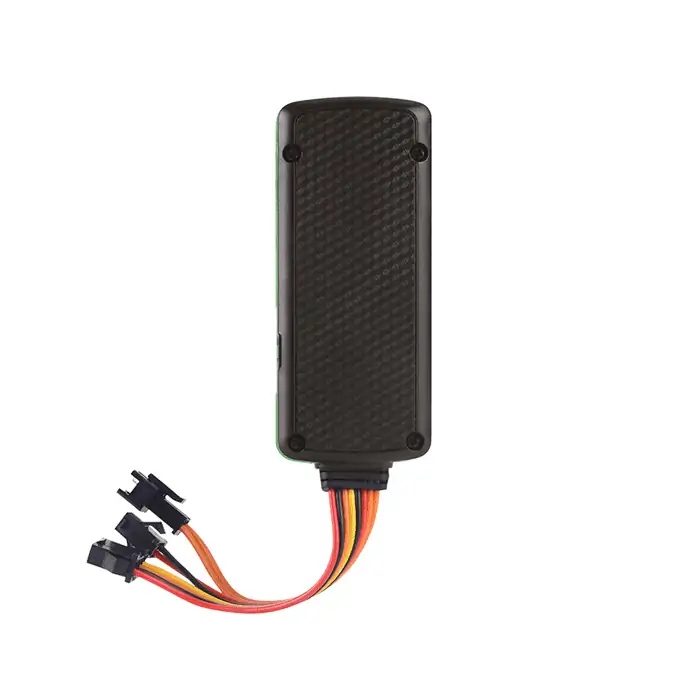
Ten-Year Pallet Tracking in the Real World: How EELINK Engineers Power, RF, and Fusion for Scale
TL;DR
EELINK’s decade-life pallet tracking relies on four things: (1) an honest, milliwatt-level power budget;
(2) disciplined RF for LTE-M/NB-IoT + multi-GNSS; (3) robust location fusion that survives steel, cold-chain, and drayage blackouts;
(4) manufacturing + compliance that keep quality stable at tens of thousands of units. Below we show concrete numbers, test methods, and field-proven trade-offs.
1) The problem we actually solve
A pallet moves truck → crossdock → container → vessel → rail → warehouse. It sits still for days, then sprints through handling in minutes.
Power events are bursty; RF conditions swing from open yard to steel box.
A viable tracker must deliver years of life without recharging, precise enough location for chain-of-custody, and alarms that matter (temperature, shock, tilt).
2) Power system: budgeting the decade
2.1 Battery chemistry and envelope
For multi-year life at room and cold-chain conditions, primary lithium thionyl chloride (Li-SOCl₂) is common due to high specific energy and low self-discharge.
We design around a pack that can support brief RF peaks (hundreds of mA) while keeping average draw in the low-milliwatt range.
2.2 What the numbers look like
- Sleep current: ~3–8 µA (MCU + sensors gated). Target <10 µA.
- GNSS fix (assisted, warm): 20–40 mA for 2–10 s, duty-cycled based on segment risk.
- LTE-M/NB-IoT burst: 150–300 mA peaks; average per session depends on RSRP, band, repetitions.
- Motion/tilt wake: <100 µA average when stationary; spikes when dock shocks occur.
If the tracker transmits once per day with 1–2 kB payloads and logs temperature every 5 min, the average power stays <1 mW under good radio.
In poor coverage (steel walls, deep ship holds), repetitions push the average up. We mitigate with adaptive reporting (see §5).
2.3 Cold-chain and pulse capability
Li-SOCl₂ internal resistance rises in cold. We test worst-case at −20 °C to ensure voltage droop during LTE bursts stays above modem cut-off.
A pulse-assist capacitor bank (low-ESR) supplies the peak; firmware staggers GNSS and cellular to avoid overlap.
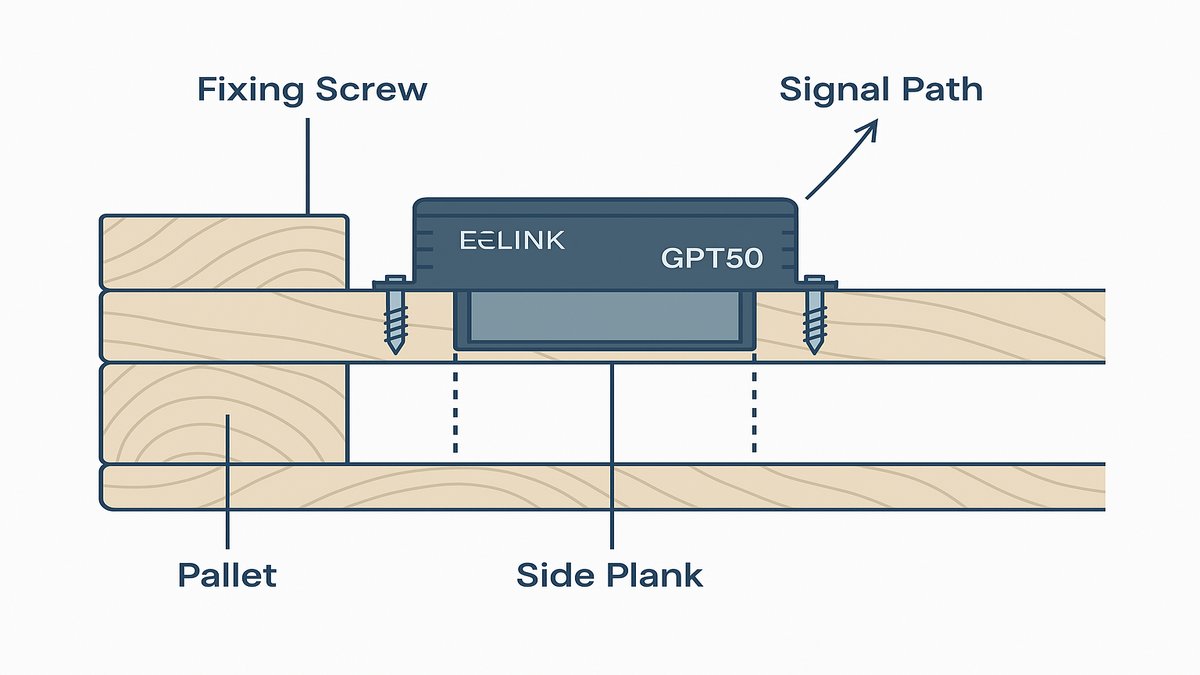
Side plank mounting of the GPT50 pallet tracker with screws, designed to maintain reliable signal transmission
3) RF design: making low-power radios actually connect
3.1 Why LTE-M and NB-IoT
LTE-M (Cat-M1) supports mobility and voice features with moderate bandwidth; NB-IoT trades bandwidth for deeper coverage and long reach.
Both descended from 3GPP Release 13 low-power enhancements and are widely deployed by Tier-1 operators.
In practice, we qualify both modes and let the device choose based on availability and coverage.
3.2 Antenna and enclosure constraints
A pallet tracker lives near wood, metal nails, shrink wrap, and sometimes aluminum totes.
Our antennas are tuned in-situ with the final plastics and magnets, then validated across relevant bands (e.g., 700–900 MHz and 1.7–2.1 GHz).
Steel proximity detunes; we use matching networks and keep-outs around magnets to hold VSWR in spec.
A near-field scanner helps visualize current distribution before and after epoxy potting.
3.3 Network behavior under metal
Inside containers, NB-IoT’s repetitions help—but at an energy cost.
We cap maximum repetitions per reporting window and cache data until the unit reaches a crossdock, then transmit a batched summary.
For yard beacons and gateways, BLE is an option, but our baseline assumes no site infrastructure.
4) Positioning: GNSS + inertial + map constraints
4.1 GNSS in hostile environments
GNSS is superb in open sky; it degrades quickly in steel boxes or below decks.
We combine multi-GNSS (GPS/GLONASS/BeiDou/Galileo where supported) with assisted data and short acquisition windows tied to motion states.
4.2 Dead-reckoning and sensor fusion
In blackout segments, we propagate position with inertial sensors (accelerometer/gyro) and a motion model for pallets (stop-go bursts, crane lifts,
road/rail dynamics). Map constraints (ports, rail yards) limit drift. We store confidence bounds and never oversell precision.
4.3 Practical fusion choices
- Use GNSS when SNR permits; when not, switch to inertial propagation with conservative error growth.
- Prefer fixes near doors/yard events; throttle in the hold.
- Attach temperature and shock context to each location to aid QA on excursions.
5) Firmware: reporting that respects batteries
We separate sensing from reporting. Sensors can log frequently; the modem speaks rarely.
Policies:
- Event-driven uplinks: significant shock, sustained tilt, temperature beyond threshold, customs/port dwell > X hours.
- Adaptive cadence: daily in transit, every 3–5 days at rest, immediate on departure/arrival detection.
- Batch uploads: compress multi-day logs into one payload when signal improves.
6) Manufacturing and reliability
6.1 Assembly for ten years
We pot or gasket to IP rating, then verify with pressure-vacuum leak tests.
Every RF path is end-of-line checked: conducted sweeps, radiated spot checks, and a sample radiated TRP/TIS in a chamber.
Battery spot-weld QA and pack impedance scans catch early defects that become winter failures.
6.2 Environmental screening
- Thermal cycles: −20 °C↔+60 °C with 30–60 min dwells.
- Random vibration to pallet spectra; drop tests from 1.2 m on steel.
- Salt fog (coastal yards) on external metalwork.
7) Compliance and logistics
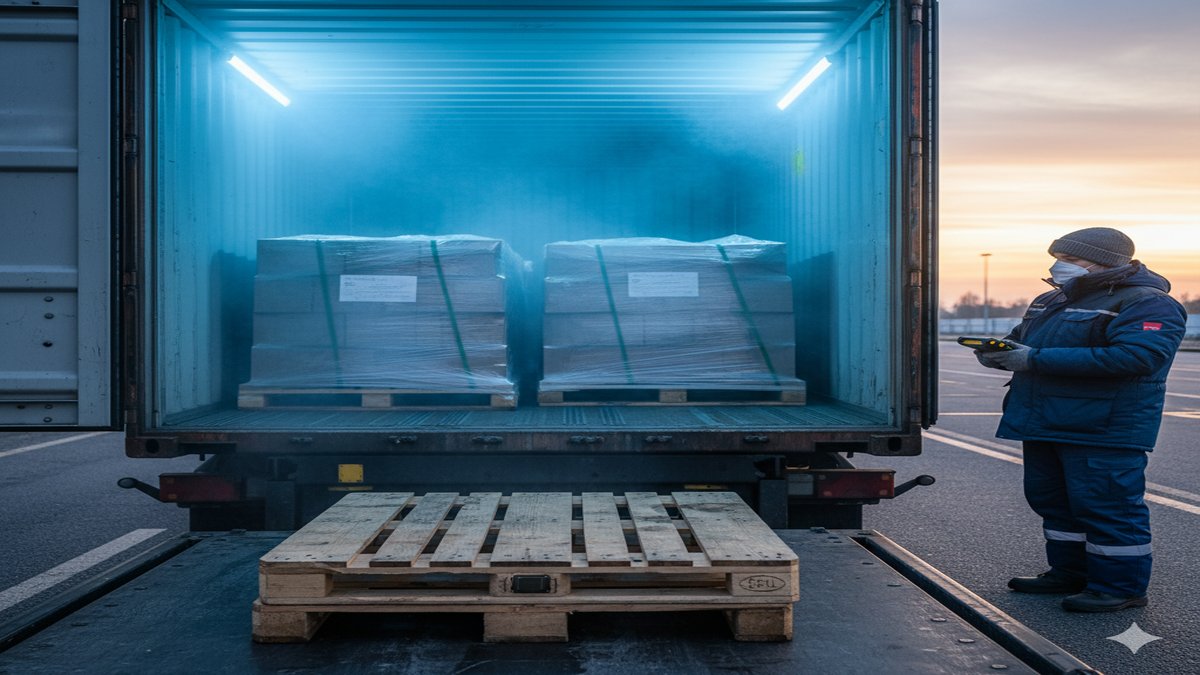
GPT50 pallet GPS tracker providing visibility during intermodal container transport.
Primary lithium cells trigger specific safety and transport requirements (e.g., IEC/EN testing and UN lithium battery shipping rules).
On radio, the product must pass cellular conformance (module/vendor programs) and regional approvals.
We maintain a single global BOM per variant and manage label sets for the Americas, EMEA, and APAC.
8) What this means for shippers
- Cold-chain (pharma/food): Temperature logging at 1–5 min, daily summaries, alarms on threshold and duration.
- Asset pooling: Multi-year service without recall; tilt/shock flags reduce disputes on crate damage.
- Intermodal: Yard-level positions between blackouts; fused path segments with confidence intervals.

EELINK GPT50 tracker monitoring pallets in a reefer container for pharmaceutical cold-chain logistics.

9) A concrete example with EELINK GPT50
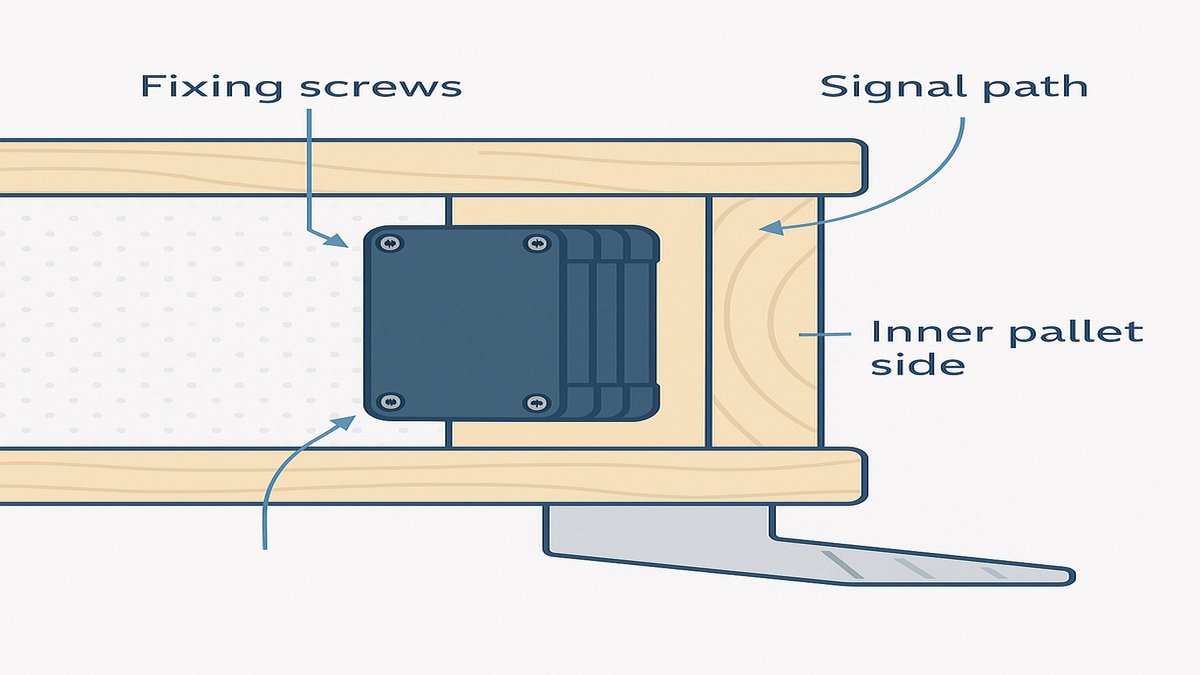
Diagram showing how the EELINK GPT50 tracker is fixed with screws inside a pallet side plank, ensuring strong signal path
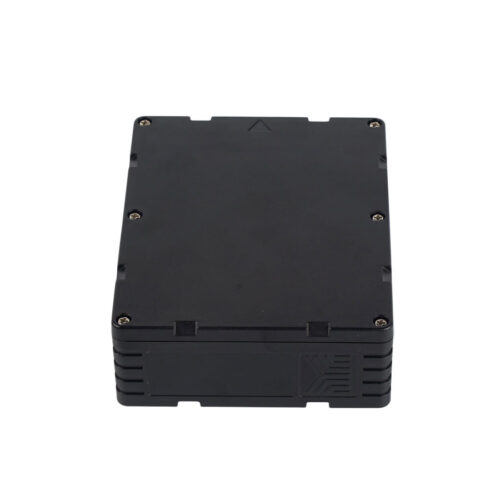
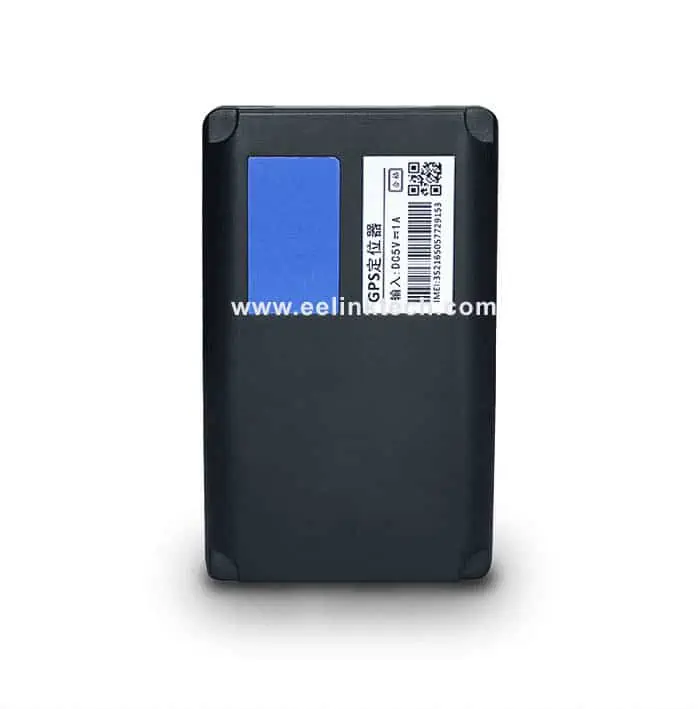
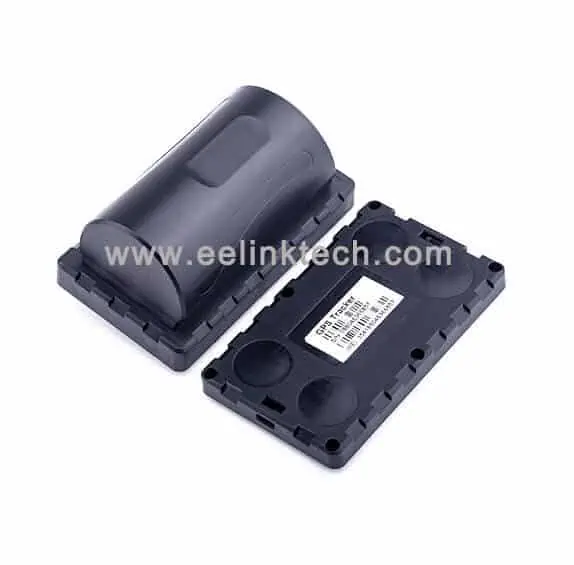
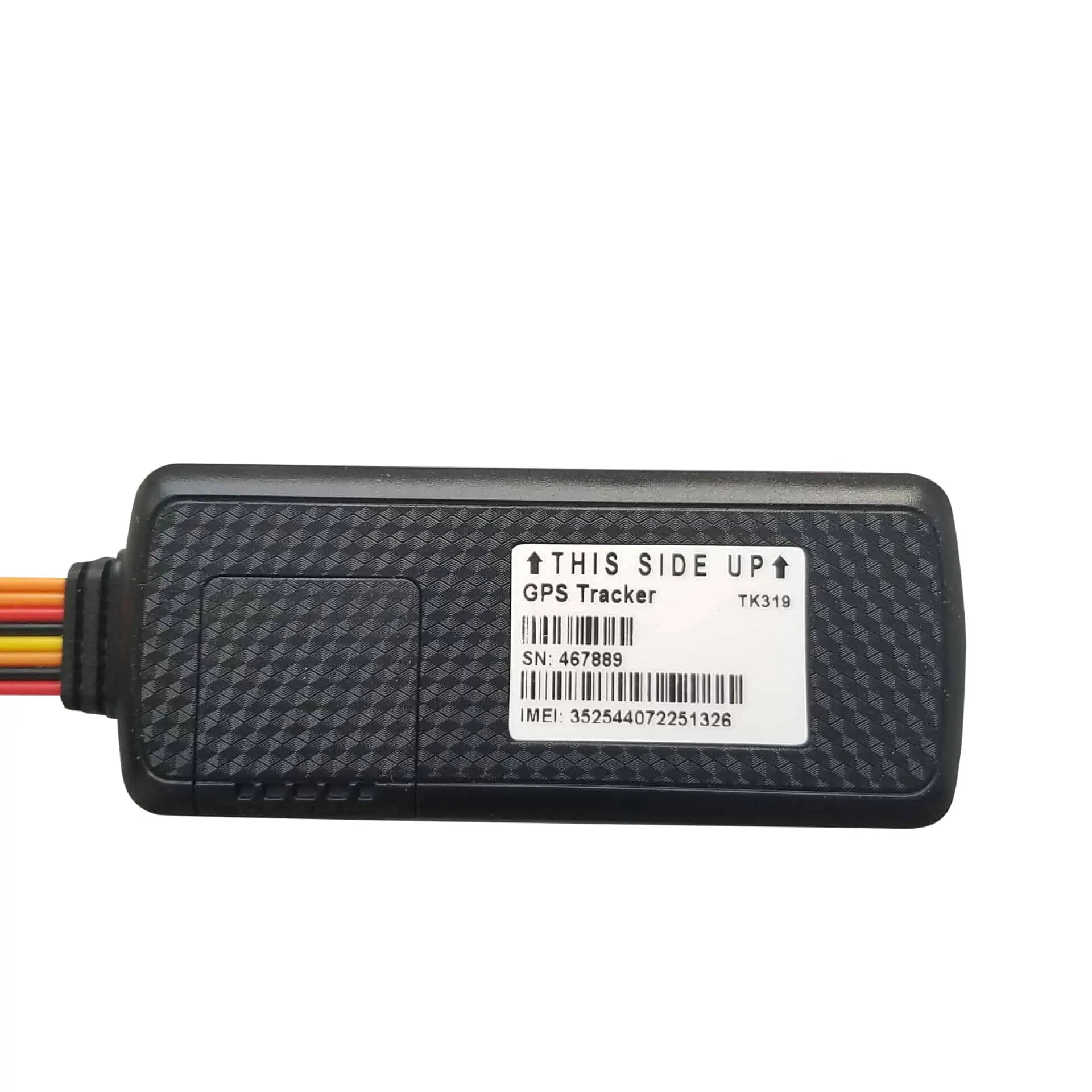
EELINK’s GPT50 pallet GPS tracker is designed for multi-year in-transit monitoring, pairing low-power cellular (LTE-M/NB-IoT)
with multi-sensor logging in a compact enclosure. It’s built for scale deployments where maintenance windows are rare.
10) Field testing playbook
- Place 10 units per lane (truck–port–vessel–rail–DC). Mark “clean” vs “harsh” placements (door vs deep stack).
- Measure: first-fix success rate, upload success, mean retries, average daily mWh, cold-chain voltage droop events.
- Correlate alarms with handling data; adjust thresholds to cut false positives by >50% without missing true events.
- Re-tune antenna matching after enclosure or magnet changes; re-validate VSWR and TRP/TIS samples.
11) Operations knobs you control
| Knob | Effect | Typical Setting |
|---|---|---|
| Reporting cadence | Battery vs freshness | 1/day in transit; 3–5 days idle |
| Event thresholds | Signal vs noise | Shock >20 g, tilt >30° sustained 5 min |
| Batch size | Radio cost | 24–72 h logs per upload in poor coverage |
12) What we don’t do
We avoid speculative “AI magic fixes.” Instead, we publish confidence with each point, clearly separate GNSS vs fused legs, and give operators levers they can explain to QA and customs.
FAQ
How do decade-life claims hold up in winter?
We test pulse droop at −20 °C with RF and GNSS staggered, add pulse caps, and throttle reporting in deep cold.
The budget is built on worst-case radio and temperature, not “lab ideal.”
Will NB-IoT alone cover ships?
Coverage is operator- and band-dependent. Deep inside steel stacks, it often won’t.
Our design buffers data and uploads at doors, decks, and yards where signal returns.
Can I get lane-level accuracy in urban canyons?
Sometimes—with multi-GNSS and good sky view. Inside containers, expect fused paths with stated error bounds.
We prefer honest accuracy over optimistic dots.