Why Nordic’s nRF9161 GCF Certification Matters for the Next Wave of Ultra-Low-Power Asset Tracking
For logistics tracking, cold-chain monitoring, and OEM/ODM IoT hardware teams, this is more than a routine certification update. It is a practical signal about deployment readiness, product planning, and where the next LPWA design cycle is heading.
What Happened: nRF9161 Achieves GCF Certification
On 16 February 2026, Nordic Semiconductor’s nRF9161 System-in-Package was added to the GCF certified product list under reference 13582. At first glance, that may look like a routine certification update. In practice, for companies building LTE-M/NB-IoT trackers, modules, and low-power connected devices, it is a meaningful signal that a widely relevant LPWA platform has moved further into the commercial-readiness phase.
Why GCF Certification Actually Matters
GCF is not just a badge. GCF’s device certification program is designed to help ensure that 3GPP-based wireless devices are interoperable with networks. Nordic’s own nRF91 certification overview separates global certifications such as GCF and PTCRB from operator-specific programs, and notes that some MNOs still run their own certification processes, although most do not require more than GCF or PTCRB.
In other words, GCF certification does not automatically equal acceptance on every operator network — but it does strengthen the certification baseline that module vendors and device makers build on.
What the nRF9161 Is Built For
The nRF9161 is relevant because it was built for exactly the kind of product class that prioritizes compact design, low power, and long field life. Nordic positions it as a fully integrated 10 × 16 mm SiP for cellular IoT and DECT NR+, with:
- Integrated LTE-M/NB-IoT modem support
- Integrated GNSS
- Programmable Arm Cortex-M33 application processor
- 3GPP Release 14 LTE-M/NB-IoT support
- DECT NR+ support (added over the earlier nRF9160 generation)
That specification profile maps well to battery-powered asset trackers, pallet trackers, container trackers, covert-installed devices, and other products where board area, energy budget, and deployment simplicity matter more than raw throughput.
Why This Is Relevant to EELINK’s Product Portfolio
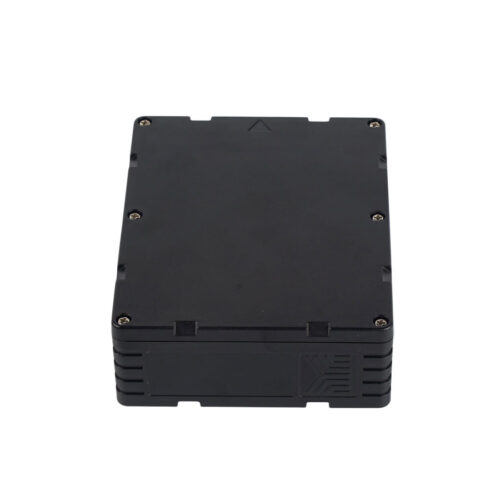
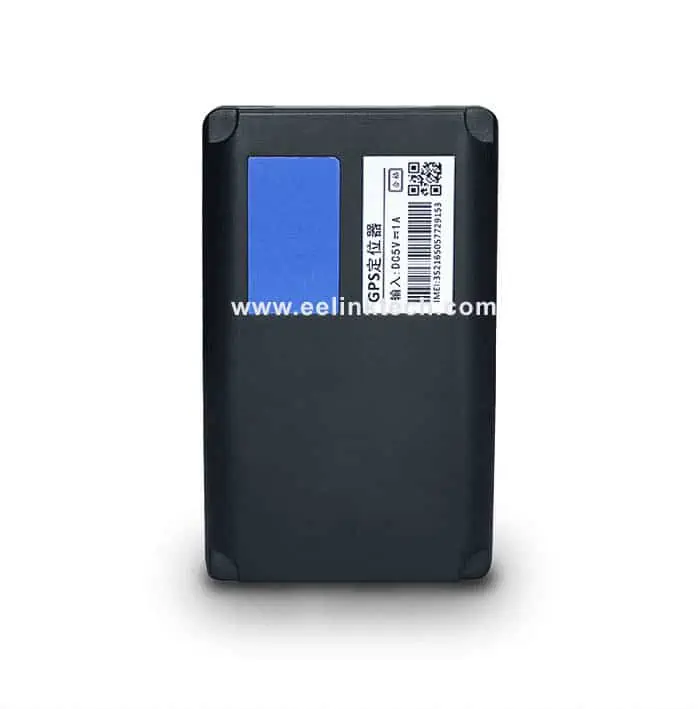
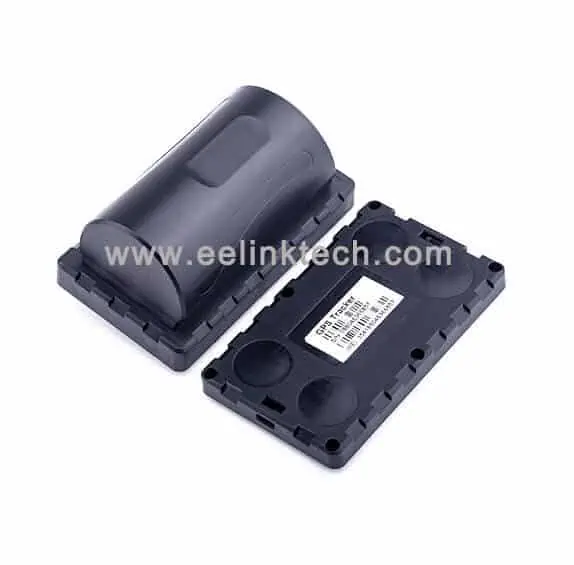
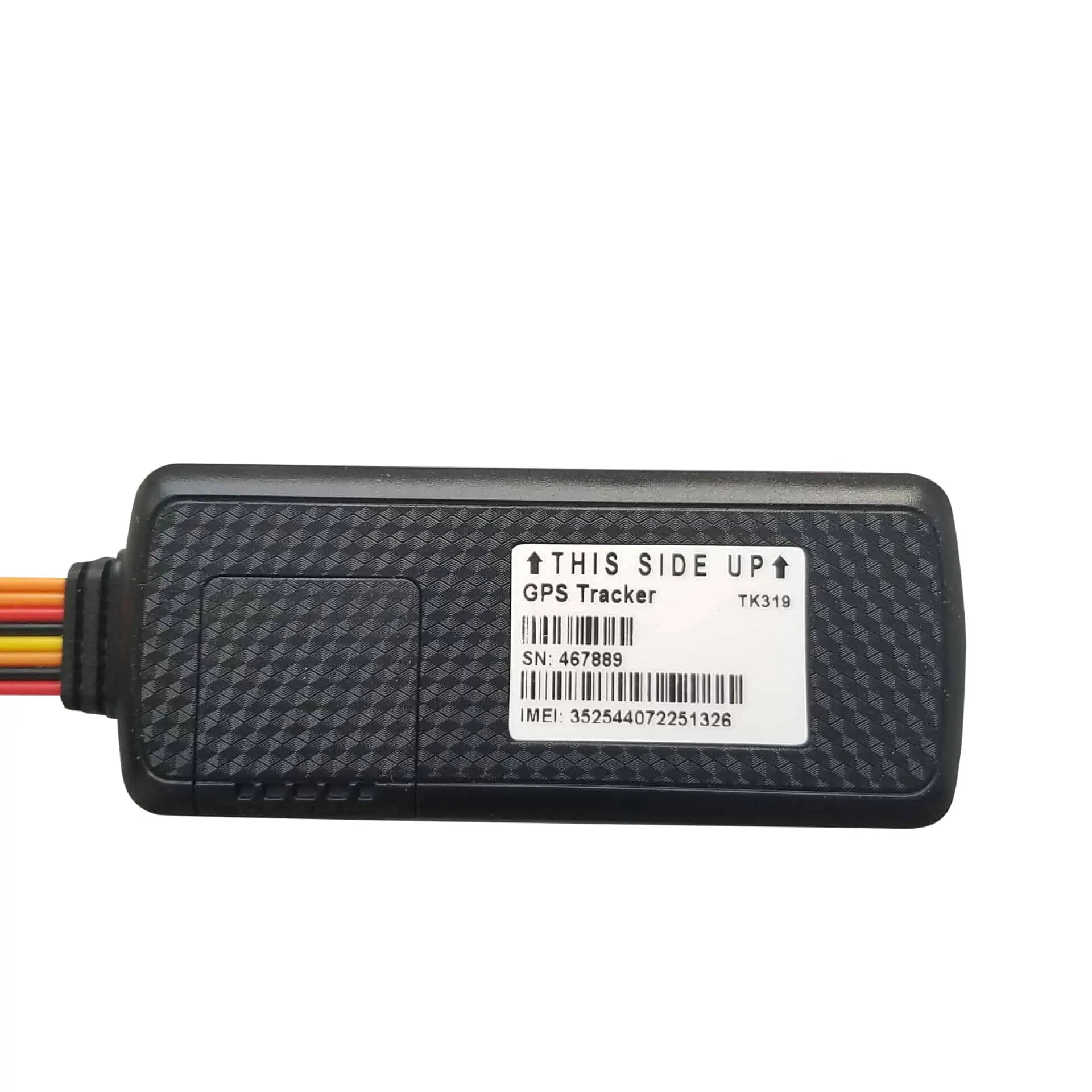
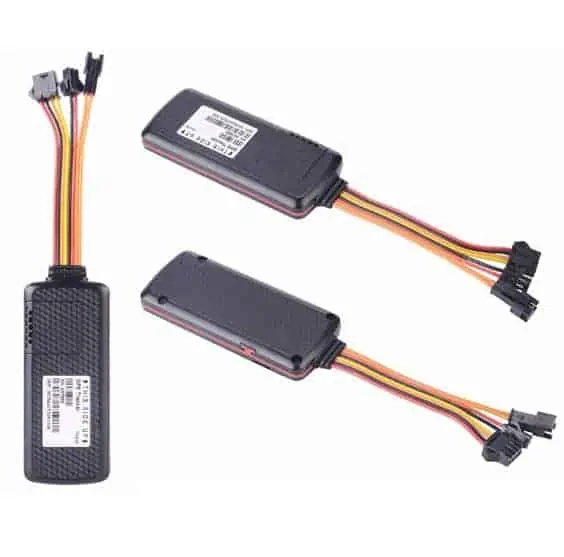
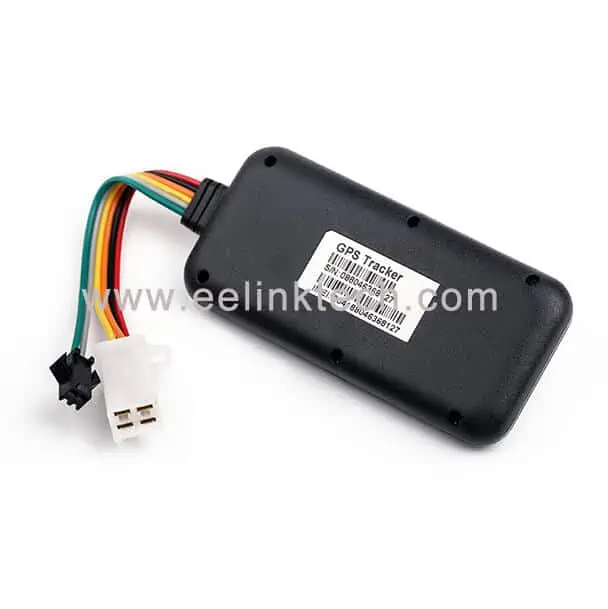
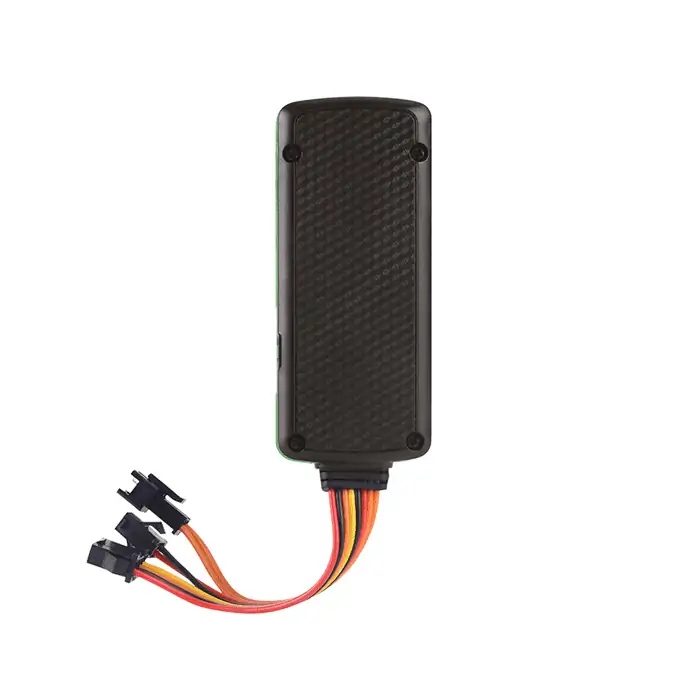
EELINK’s public product mix already reflects the kind of low-power cellular tracker model that nRF9161 is designed to serve. Products such as the GPT12-X Ultra and GPT48-X are ultra-long-standby LTE-M/NB-IoT trackers built for vehicle, pallet, container, and trailer scenarios. The GPT48-X in particular highlights magnetic wireless tracking, wide deployment flexibility, and long standby operation — exactly the operating model that nRF9161’s architecture supports.
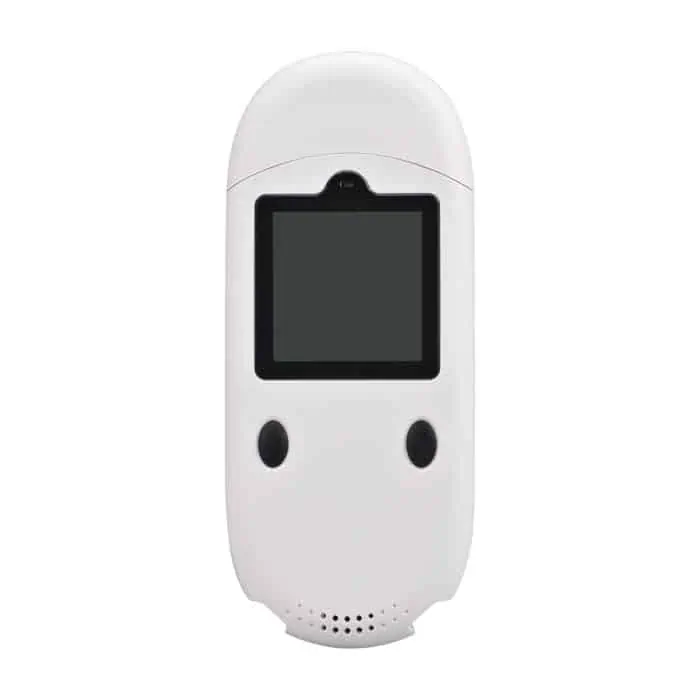
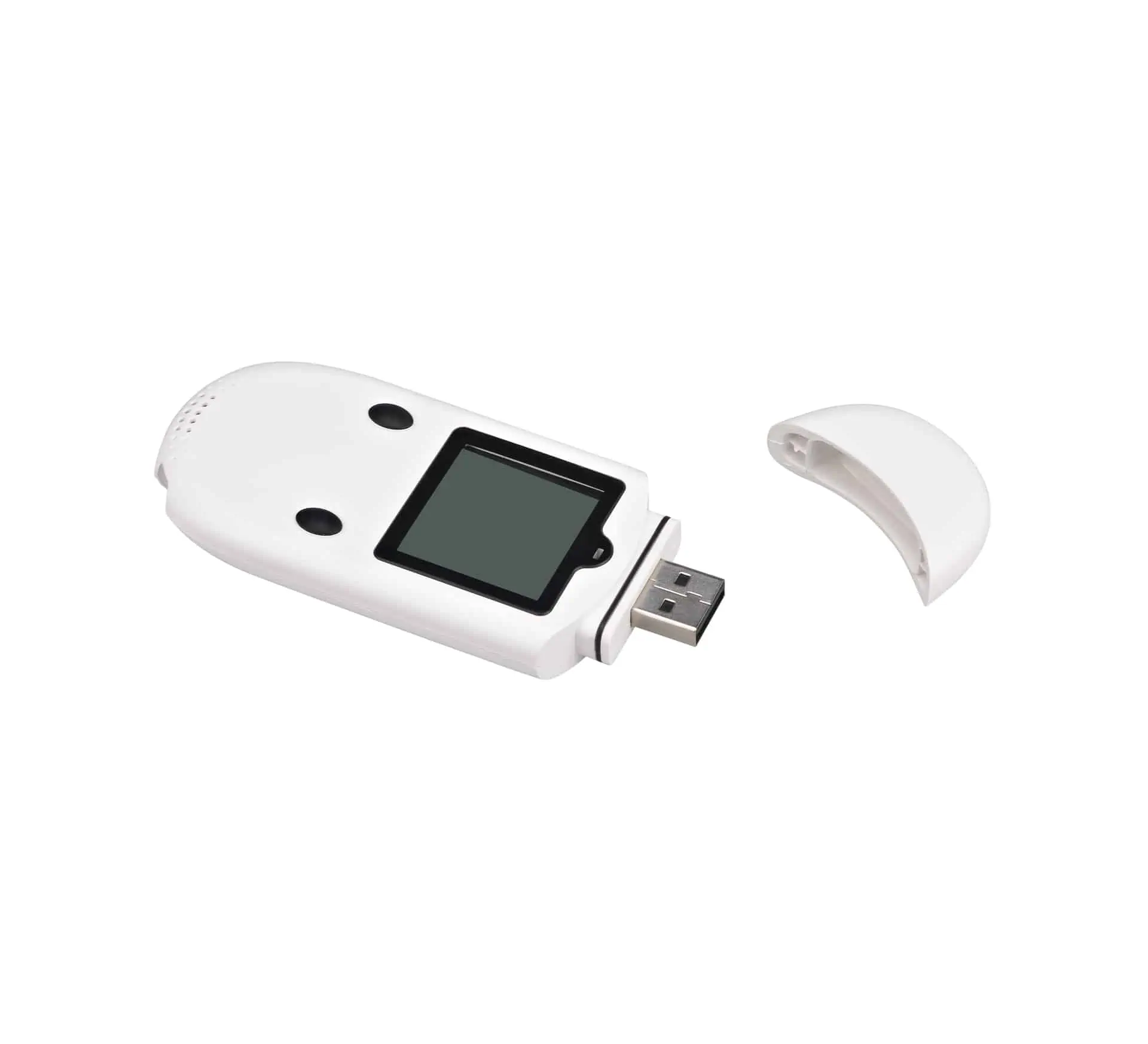
The same alignment appears on the cold-chain side. EELINK’s temperature-monitoring solutions target warehouse cargo, cold-chain transport, and refrigerated containers, with remote monitoring, alarm capability, data history, and long standby as core operational priorities. The nRF9161 certification is therefore relevant to EELINK not as abstract chipset news, but as a platform-maturity signal for product categories the company already builds and supports.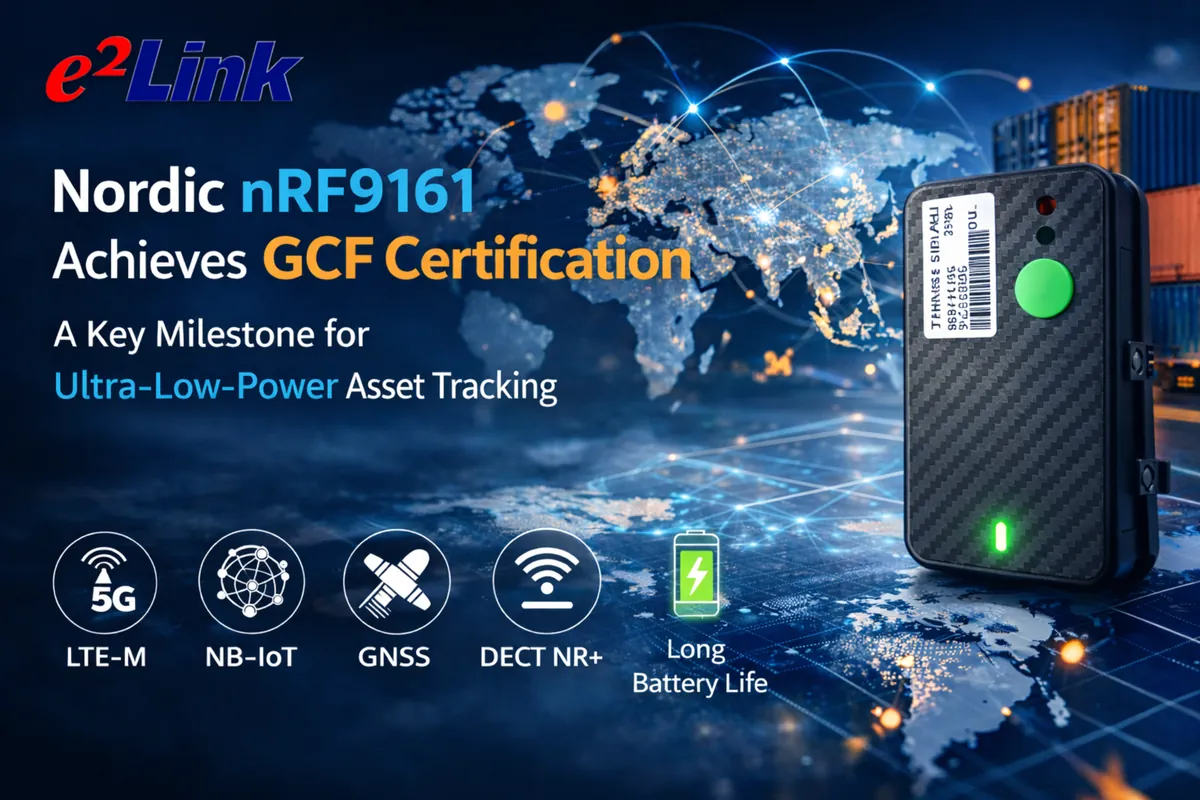
The Strategic Signal: What Comes Next
The deeper lesson is strategic, not just operational. Nordic now states on the nRF9161 product page that it recommends the nRF9151 for new design projects. According to Nordic, the nRF9151 supports LTE-M, NB-IoT, NB-NTN, and DECT NR+, reduces footprint compared with the older nRF9160 generation, and expands future design flexibility.
Nordic has also opened additional paths that matter for product planning:
- nRF91M1 — a compact Smart Modem module for teams that prefer a host-MCU architecture, supporting LTE-M and NB-IoT
- nRF93M1 — a Cat 1 bis module positioned for more data-intensive IoT applications
This creates a clear planning implication for 2026: nRF9161 now looks more credible as a stable platform for current-generation ultra-low-power LTE-M/NB-IoT tracking designs, while newer platforms point toward the next stage of product evolution.
Summary: What This Means for the Industry
nRF9161’s GCF certification is a meaningful milestone without being overhyped. For the asset-tracking and cold-chain market, it confirms that the ultra-low-power LPWA category is becoming more mature at the certification layer — while the next design cycle is already opening up.
For a company operating in logistics tracking, cold-chain monitoring, and OEM/ODM IoT hardware, that is exactly the kind of industry signal worth watching closely.
Planning your next generation of low-power tracking devices?
EELINK can help evaluate the right LTE-M, NB-IoT, or Cat 1 bis architecture for your deployment goals, battery targets, and operating environment.