Navigating the Next Generation of Industrial IoT Tracking: A Technical Perspective on Ultra‑Low‑Power Cellular Asset Devices
The rapid evolution of supply chain visibility is quietly reshaping how industrial operations are managed. In logistics, manufacturing, and asset pooling, the difference between a resilient system and a vulnerable one often lies in how well each link in the chain can be observed, quantified, and predicted. In this context, low‑power cellular asset trackers—particularly those utilizing LTE‑M and NB‑IoT—are no longer experimental add‑ons but core components of operational infrastructure.
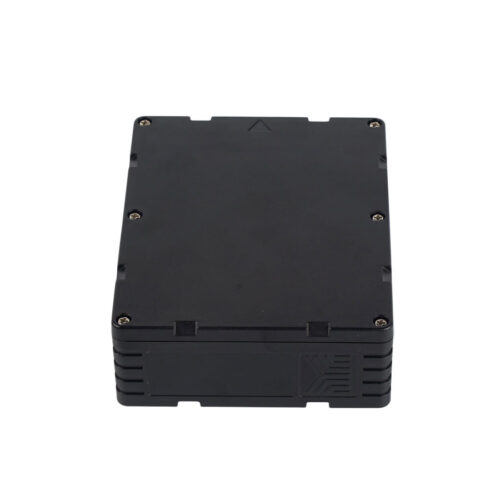
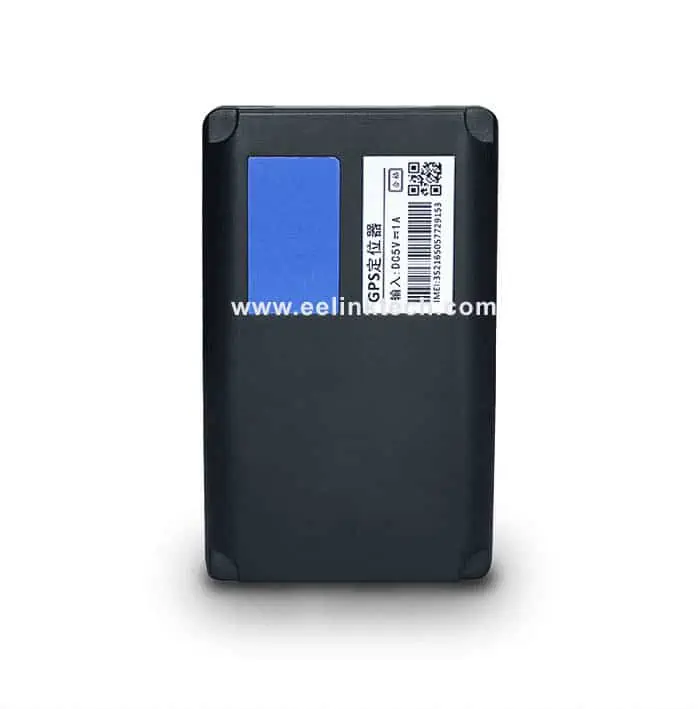
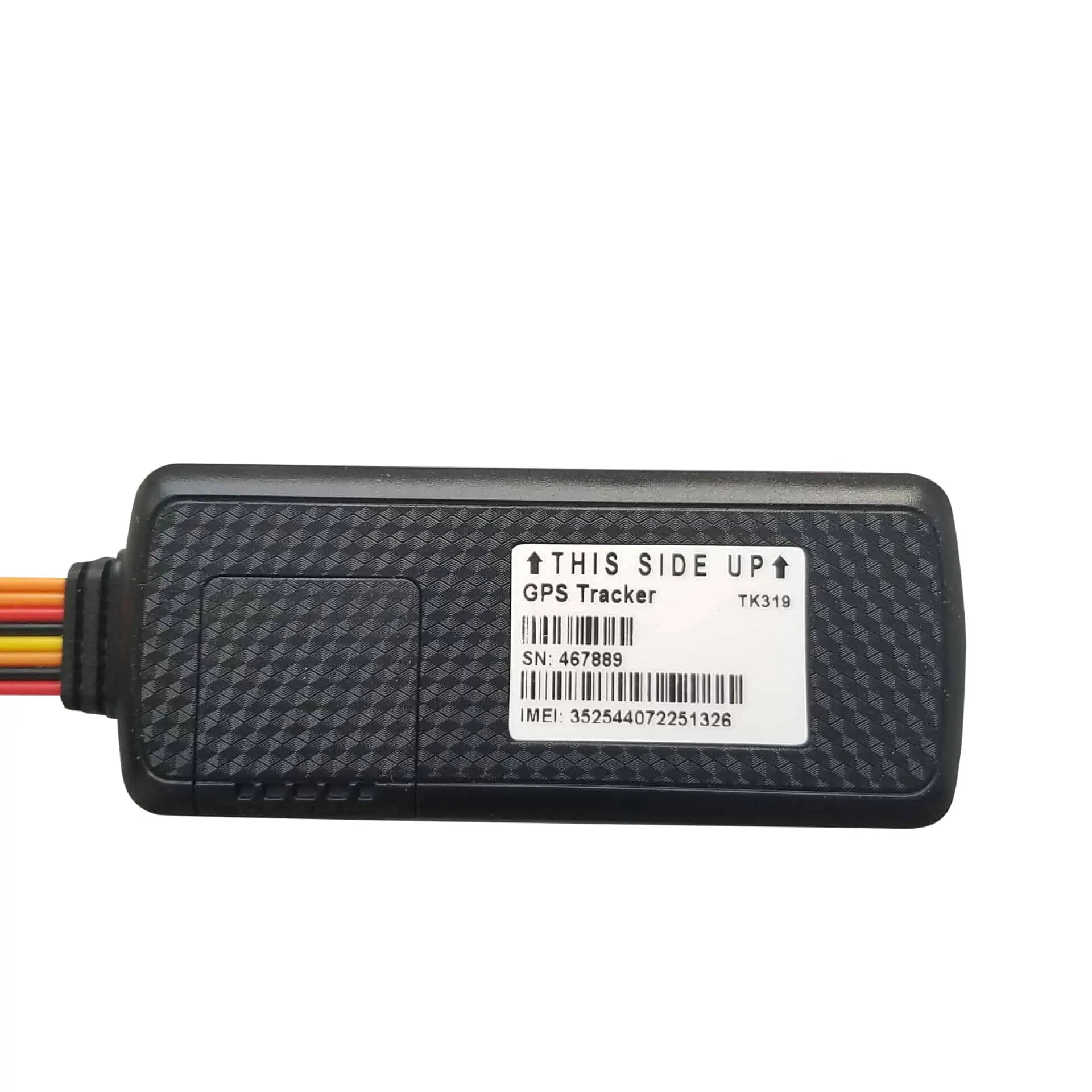
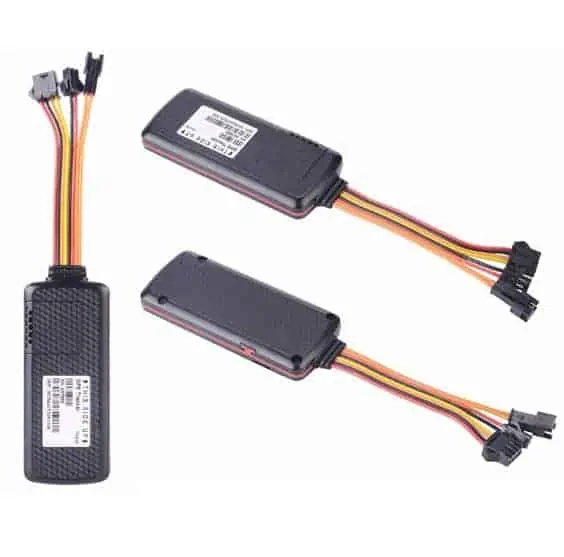
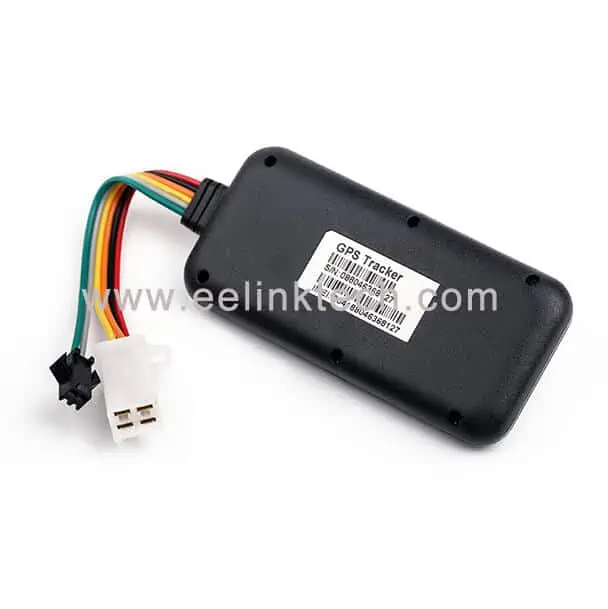
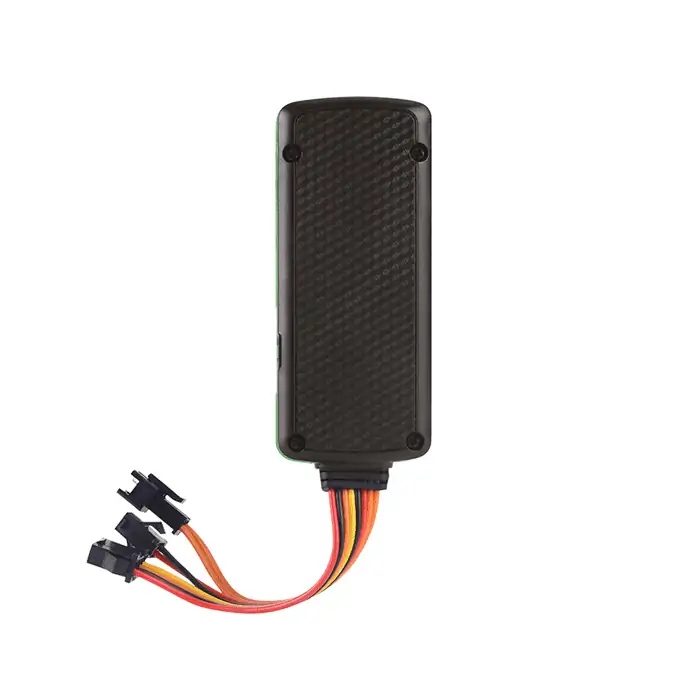
The technical advances of the past five years have transformed these trackers from simple GPS beacons into integrated sensing nodes capable of long‑term autonomous operation. The emergence of the GPT12‑X Ultra class of devices exemplifies this trend, merging connectivity efficiency, system endurance, and adaptive functionality within a single, compact form factor.
The Architecture Behind Longevity
Battery life has historically been the bottleneck for real‑time visibility. Traditional 2G/3G trackers consumed too much energy to remain active across long logistics cycles. Modern LTE‑M and NB‑IoT modems employ extended discontinuous reception (eDRX) and power‑saving mode (PSM) to keep the cellular interface dormant for most of the device’s life.
At the core, devices such as the GPT12‑X Ultra leverage sub‑threshold wake architectures, where only minimal subsystems remain awake to monitor environmental triggers—motion, tilt, temperature, or magnetic state. Once a pre‑defined condition is met, the main MCU and modem resume operation to transmit essential data before returning to hibernation. The design effectively converts “always‑on” connectivity into “always‑available” responsiveness.
A secondary engineering challenge lies in maintaining synchronization. The longer a device sleeps, the more it risks losing accurate network timing. High‑precision oscillators and GPS‑assisted clock correction allow the tracker to wake with sub‑second precision, ensuring that periodic reports align with server expectations without consuming extra current.
Dual‑Mode Logic: Periodic vs. Event‑Driven Communication
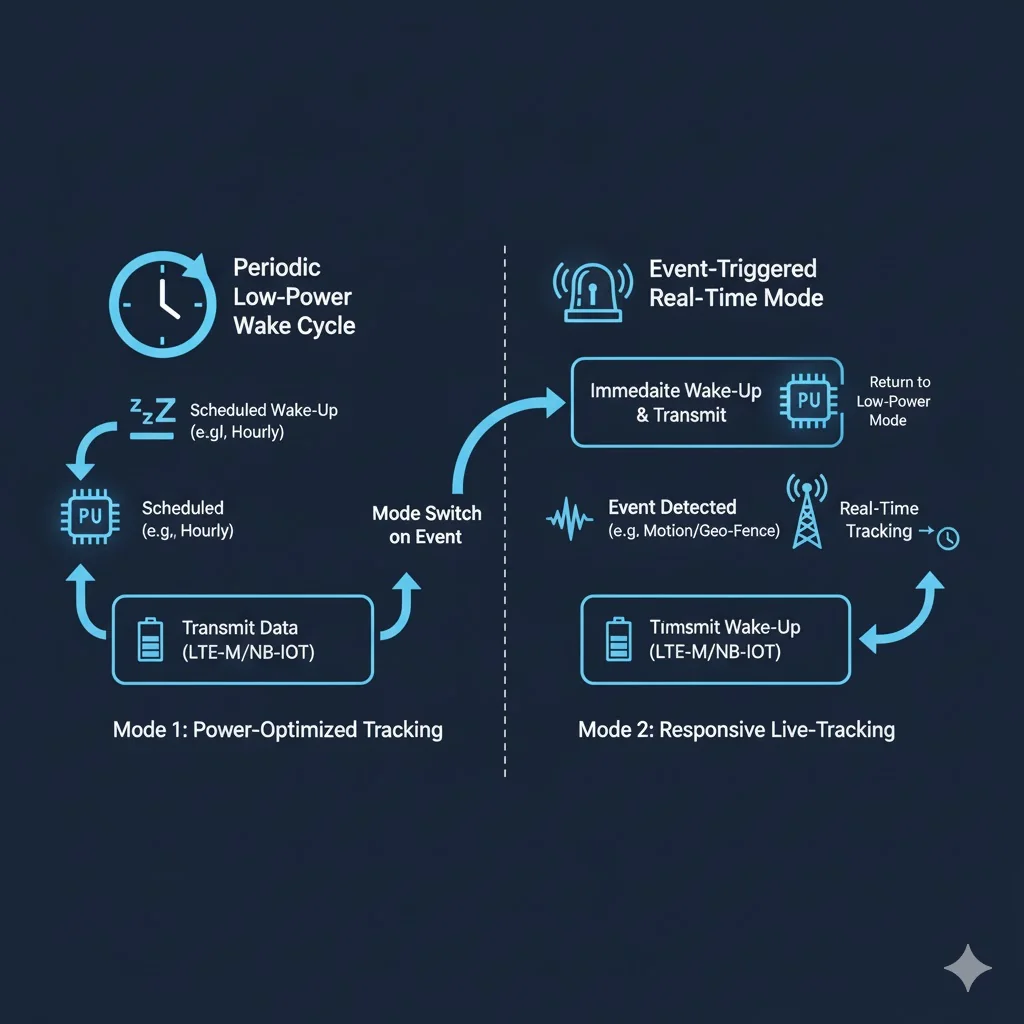
An effective industrial tracker needs to balance predictability with responsiveness. The GPT12‑X Ultra and its peers implement dual‑mode logic—a hybrid between scheduled reporting and exception‑based transmission.
- Periodic mode handles baseline visibility. The tracker wakes at fixed intervals (for example, every six hours) to confirm position, temperature, or shock status.
- Event mode overrides normal cycles whenever anomalies occur—door opening, temperature excursion, or unauthorized movement. In such cases, the device switches to high‑frequency reporting, sometimes every few minutes, until the condition resolves.
This approach allows end users to achieve high temporal granularity without permanently sacrificing battery life. From a system engineering perspective, it’s an elegant solution: deterministic for data ingestion pipelines, yet adaptive enough to catch unplanned events.
Material and Structural Considerations
The mechanical integrity of industrial IoT devices is often underestimated. Unlike consumer electronics, trackers used in global freight or cold‑chain logistics face continuous vibration, impact, and condensation cycles.
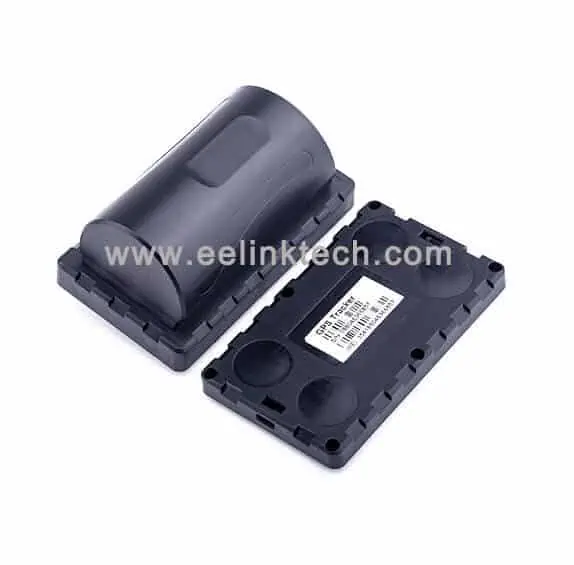
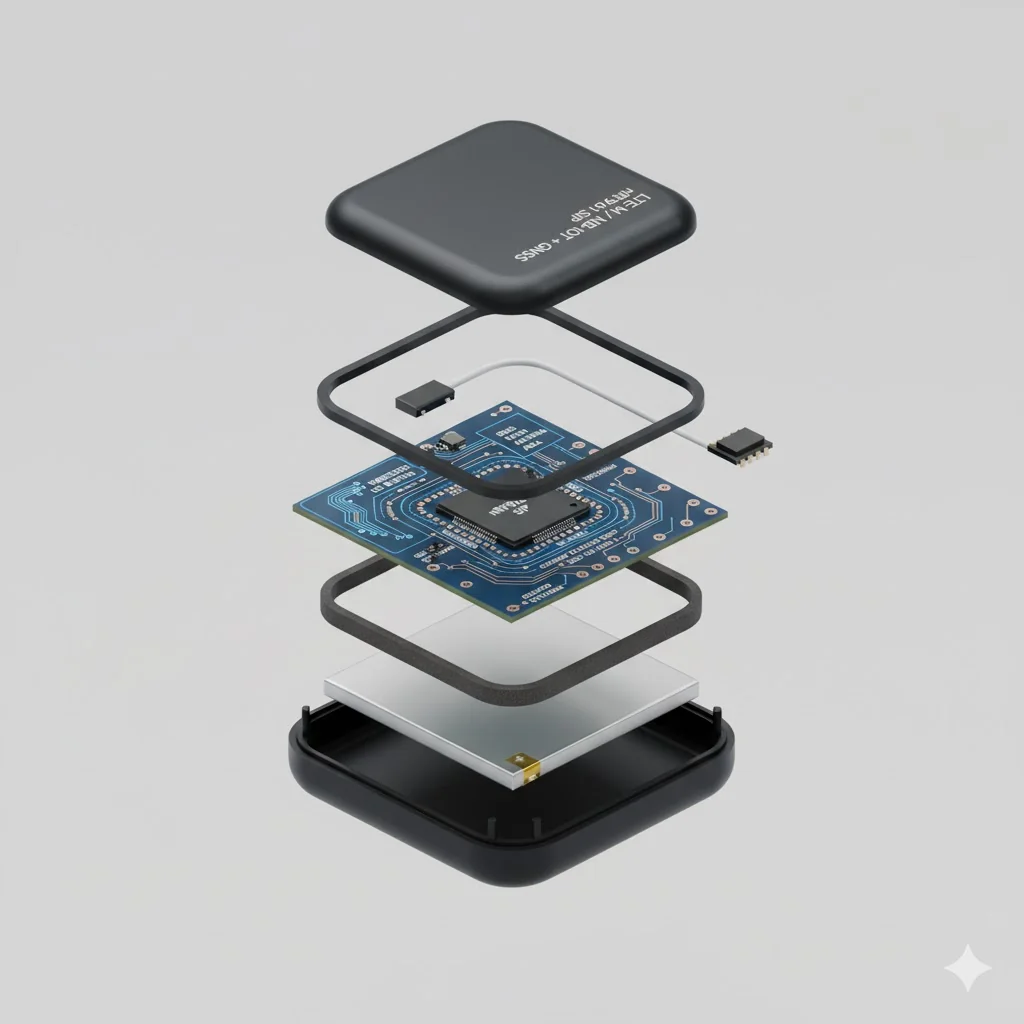
The GPT12‑X Ultra class emphasizes polycarbonate‑ABS blends with internal gasketing, ensuring the casing tolerates both freezing environments and long‑haul mechanical stress. More importantly, antenna performance must remain stable despite being enclosed. Advanced impedance‑matched structures and isolation layers help preserve signal strength even when devices are mounted on metallic or composite surfaces.
Data Integrity Across Multi‑Operator Environments
Global deployment requires devices to roam between carriers and, often, between LTE‑M and NB‑IoT networks. Maintaining session continuity becomes a significant technical challenge. To mitigate this, trackers rely on non‑volatile queue buffers that store outbound messages during temporary network loss. When connectivity resumes, data packets are uploaded in chronological order with checksum validation.
The firmware architecture must also support dual‑APN profiles and auto‑band scanning to ensure re‑registration efficiency across regional frequency bands (e.g., B3, B5, B8, B20, B28). This design makes the device inherently resilient to the fragmented global IoT ecosystem.
Precision in Positioning: Beyond GPS
While GNSS remains the primary reference for outdoor tracking, the industry increasingly supplements it with cell‑based positioning and sensor fusion. Multi‑constellation receivers—combining GPS, GLONASS, and BeiDou—offer strong accuracy in open environments, yet urban or indoor scenarios demand alternative techniques.
Hybrid firmware algorithms can weigh data from accelerometers, temperature drift, and cellular timing advance values to approximate position when satellites are unavailable. Such redundancy ensures that even partial datasets remain analytically useful.
Firmware Design and Over‑the‑Air Evolution
A defining trait of next‑generation devices is their ability to evolve post‑deployment. Over‑the‑air (OTA) updates, once considered risky for battery‑powered systems, are now routine. Using delta compression and segmented transfer, a firmware patch can be securely delivered and validated with minimal downtime.
Developers increasingly separate application logic from radio firmware, allowing independent updates. This modularity minimizes regression risk while enabling rapid adaptation to new compliance requirements or data protocols.
System Integration and API Interoperability
In enterprise IoT deployments, hardware rarely operates in isolation. Each tracker becomes a node within a layered digital ecosystem: device → network → message broker → data lake → analytics or ERP interface.
To align with this architecture, trackers like GPT12‑X Ultra expose structured APIs—often MQTT or HTTPS‑based—optimized for both polling and push operations. A RESTful abstraction allows developers to map telemetry directly into existing dashboards or to merge it with supply‑chain visibility platforms without rewriting core logic.
Environmental and Regulatory Dimensions
Designing for global deployment means navigating a matrix of compliance requirements—CE, FCC, PTCRB, RoHS—and battery safety standards such as UN 38.3 and IEC 62133. Yet compliance goes beyond checklists; it influences circuit layout, component selection, and firmware timing.
Radio emissions must stay within limits even under transient conditions like temperature fluctuation. Thermal derating algorithms and adaptive transmission power are therefore integral to hardware‑level compliance.
Beyond regulations, sustainability is becoming an engineering parameter. Extending device lifetime not only lowers operational cost but also reduces electronic waste. Designing for recyclability—using non‑toxic encapsulants and modular battery replacement—is now part of responsible IoT manufacturing.
Operational Analytics and Edge Intelligence
Raw location data has limited value without context. The shift toward edge analytics means that part of the computation—anomaly detection, geofence evaluation, or environmental trend analysis—occurs directly on the tracker.
This distributed model reduces cloud bandwidth and improves response time. For example, instead of streaming continuous temperature readings, the device can send summarized deviations or statistical flags. Such micro‑intelligence also supports event prioritization, where only significant deviations trigger full data transmission.
Reliability Metrics and Field Validation
Quantifying reliability involves both laboratory and field metrics: mean time between failures (MTBF), network registration success rate, GPS time‑to‑first‑fix (TTFF), and packet delivery ratio (PDR).
During pilot projects—often around 200 units over six to eight weeks—engineers gather empirical data to refine configuration templates. Adjusting reporting intervals, motion thresholds, and SIM carrier profiles can yield energy savings. Continuous firmware telemetry provides insight into real‑world variance between theoretical and observed battery performance.
Looking Forward: The Convergence of Hardware and Intelligence
Industrial IoT trackers are transitioning from passive sensors to autonomous decision units. As AI and analytics models migrate closer to the edge, hardware design must accommodate flexible compute budgets, secure update pipelines, and contextual adaptability.
The GPT12‑X Ultra type devices represent a transitional phase—efficient enough to sustain multi‑year operations, yet open enough to integrate evolving intelligence frameworks. The frontier ahead lies not merely in smaller form factors or longer batteries, but in context‑aware sensing that understands what data is valuable before transmission ever begins.