What 3GPP Release 18 Really Means for LTE-M and Asset Tracking
For years, the conversation around IoT connectivity has centered on one question: how do we achieve precise, low-power visibility for assets that live deep indoors, inside metal racks, cold-chain containers, or underground warehouses?
When the 3GPP Release 18 specifications were finalized, a wave of optimism spread through the industry. Blogs and LinkedIn threads quickly claimed that LTE-M had suddenly gained meter-level accuracy and new uplink diversity features. But reading the standard closely tells a more nuanced story—one that matters greatly to any company designing long-life IoT tracking hardware.

A closer look at what Release 18 actually changes
Release 18, often branded as the first stage of 5G-Advanced, brings a wide array of enhancements across the radio stack—ranging from uplink efficiency and sidelink extensions to positioning and RedCap (Reduced Capability) improvements.
However, the bulk of the new positioning features live on the NR (New Radio) side of the 5G ecosystem. These include:
-
Carrier-phase–based measurements, allowing sub-meter precision under ideal signal conditions.
-
Multi-link uplink coordination, where devices can send timing references to several base stations at once to improve time-difference calculations.
-
RedCap positioning support, enabling smaller 5G modems—built for IoT—to participate in the same high-accuracy framework as full 5G UEs.
In other words: Release 18 is a massive leap for 5G NR positioning, not a direct overhaul of LTE-M.
The LTE-M (also called eMTC) section of the Release 18 technical baseline mainly updates testing and conformance documentation, such as ETSI TS 37.571-5, which defines new datasets for OTDOA (Observed Time Difference of Arrival) validation. This ensures interoperability but doesn’t magically improve positioning accuracy.
Why LTE-M still anchors large-scale IoT deployments
Despite the 5G buzz, LTE-M remains the practical backbone for massive IoT asset tracking. Its strengths are pragmatic: long battery life, excellent indoor penetration, and mature global coverage.
Let’s compare today’s options:
| Capability | LTE-M | RedCap (5G-Advanced) | Full NR |
|---|---|---|---|
| Typical battery life | 5–10 years | 2–5 years | < 2 years |
| Module cost | Low | Medium | High |
| Indoor penetration | ★★★★☆ | ★★★ | ★★ |
| Positioning precision | 100–300 m (OTDOA + GNSS fusion) | 10–50 m (with Rel-18 support) | < 5 m |
| Network availability | Global, stable | Emerging (2025–) | Urban-centric |
For most logistics and supply-chain customers, that first line—battery life—matters more than all others combined. A pallet tracker expected to last ten years on a single cell simply cannot afford the higher signaling load or power draw of RedCap modems, at least not yet.
The misunderstood “±50 m” claim
The notion that LTE-M now achieves ±50 m indoor accuracy stems from a misreading of 3GPP meeting notes where certain uplink diversity tests were discussed. Those scenarios were simulation frameworks, not formal feature adoptions.
In practice, LTE-M positioning remains a hybrid art: OTDOA + GNSS + Wi-Fi + BLE, blended by firmware logic and refined through statistical filters. The precision you get depends as much on algorithmic design as on any network standard.
Eelink’s dual-track design philosophy
At Eelink, we look at Release 18 not as a revolution but as a signal: the IoT landscape is diverging into two distinct lanes.
1. Efficiency lane — Long-life LTE-M:
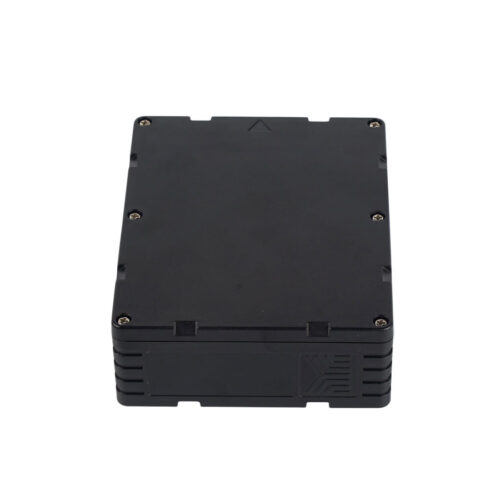
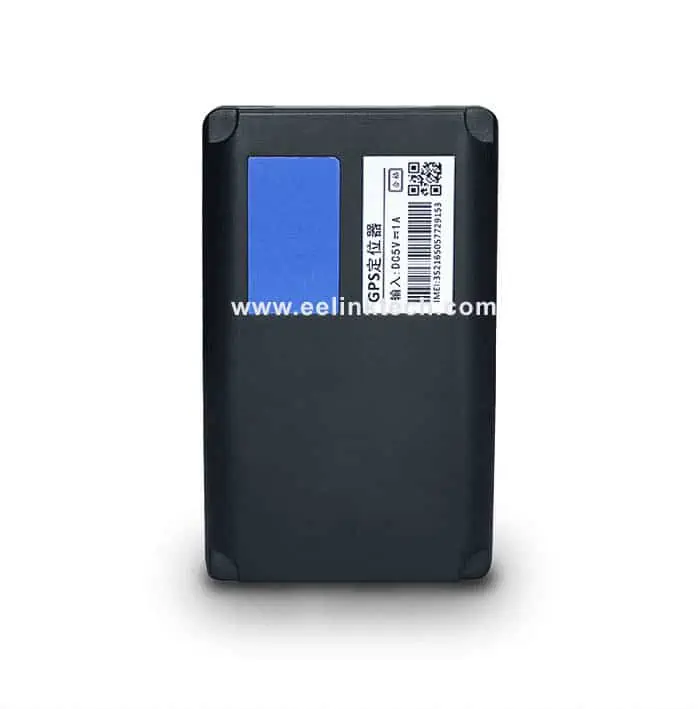
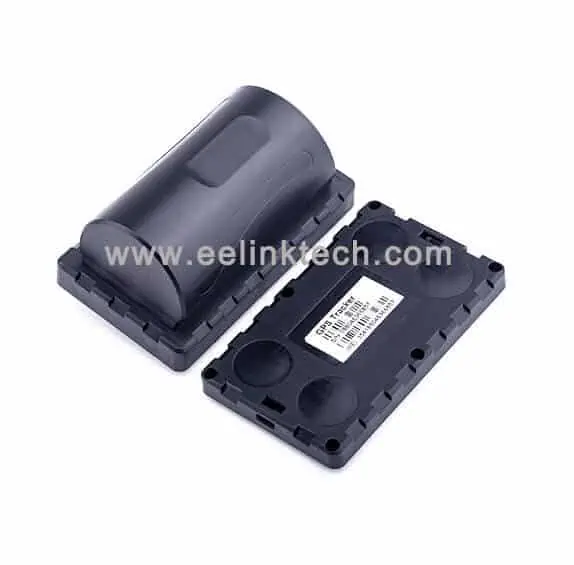
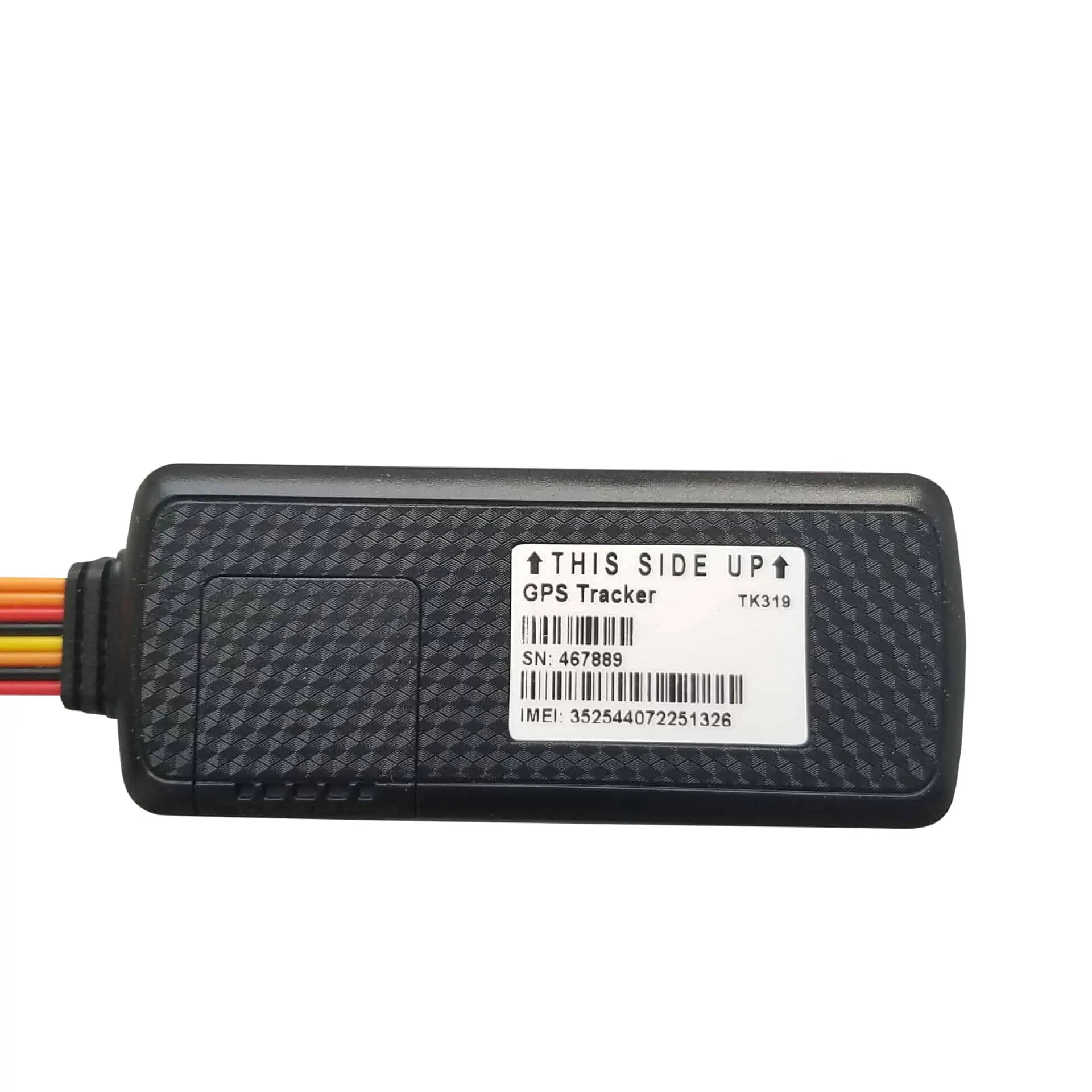
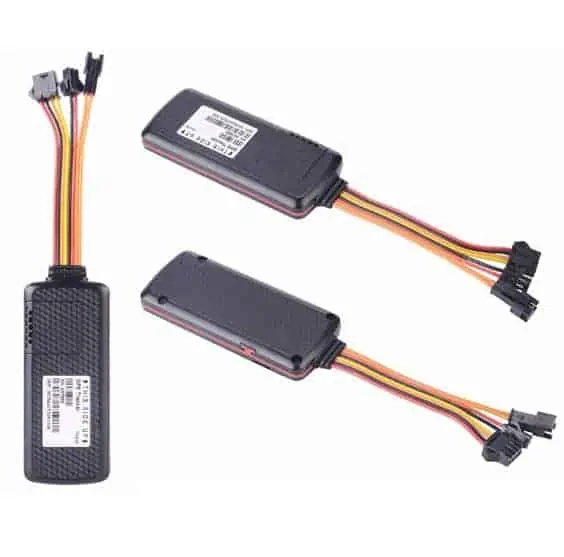
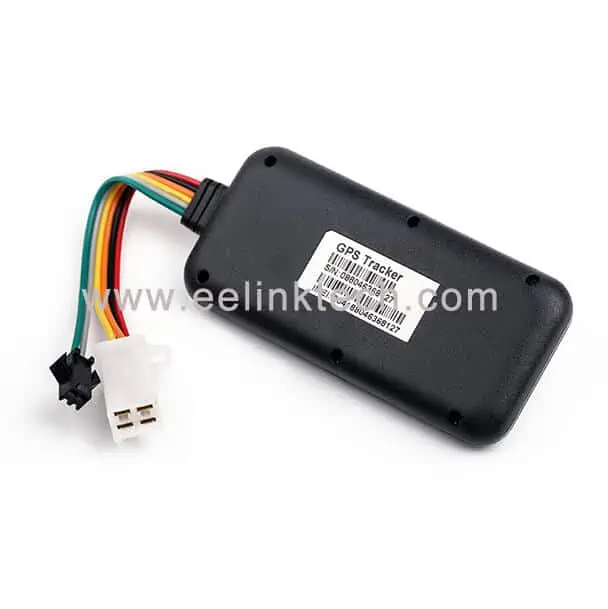
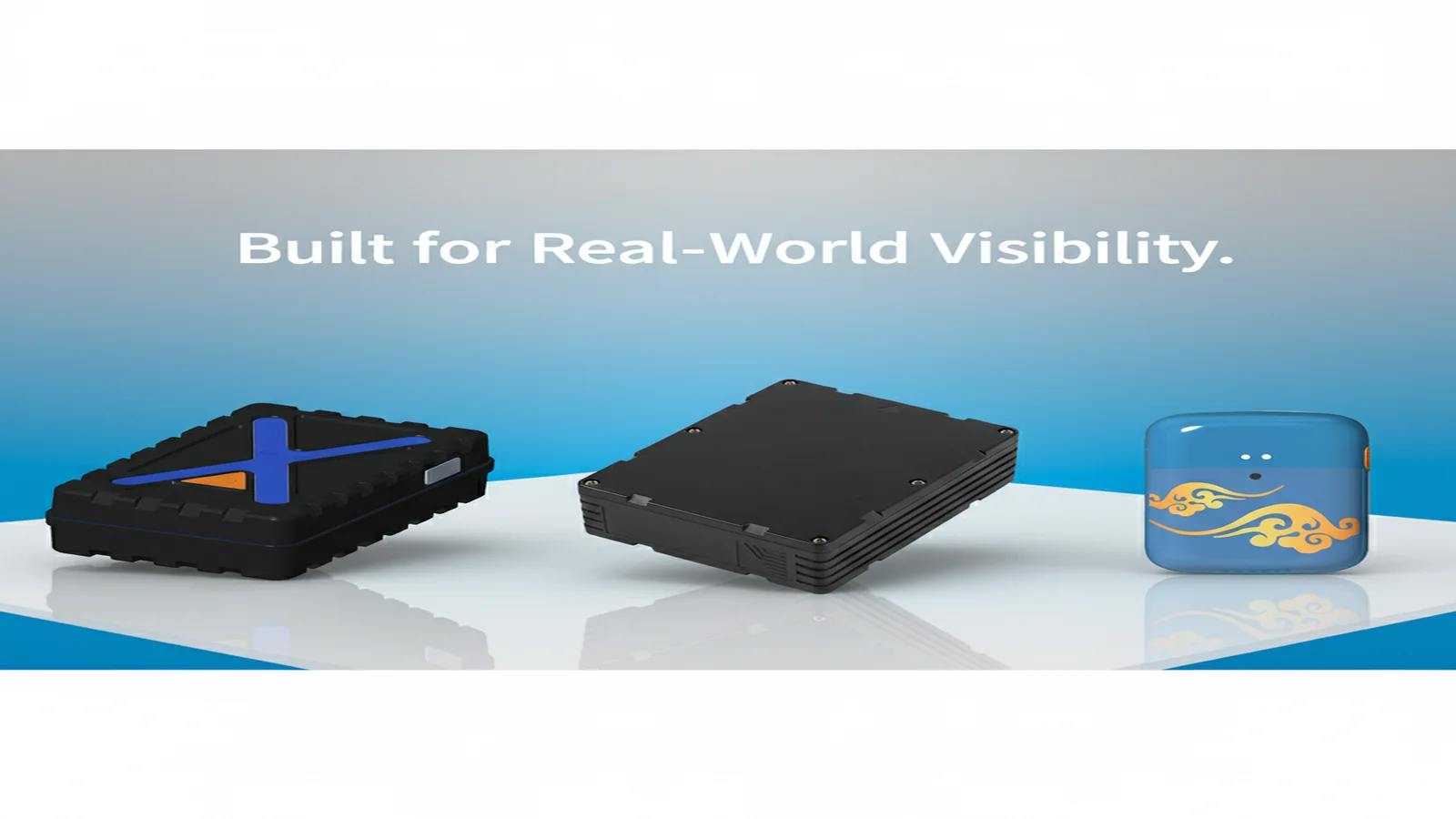
Our GPT series trackers (such as GPT48-X and GPT50) are built around LTE-M modules coupled with GNSS and optional BLE/Wi-Fi assist. Through intelligent firmware, we leverage PSM (Power Saving Mode), eDRX (Extended Discontinuous Reception), and motion-triggered sampling to keep power drain minimal—sometimes below 50 µA in standby. These devices thrive in cold-chain and returnable-asset applications where replacement cycles must stretch beyond five years.
2. Precision lane — RedCap-ready platforms:
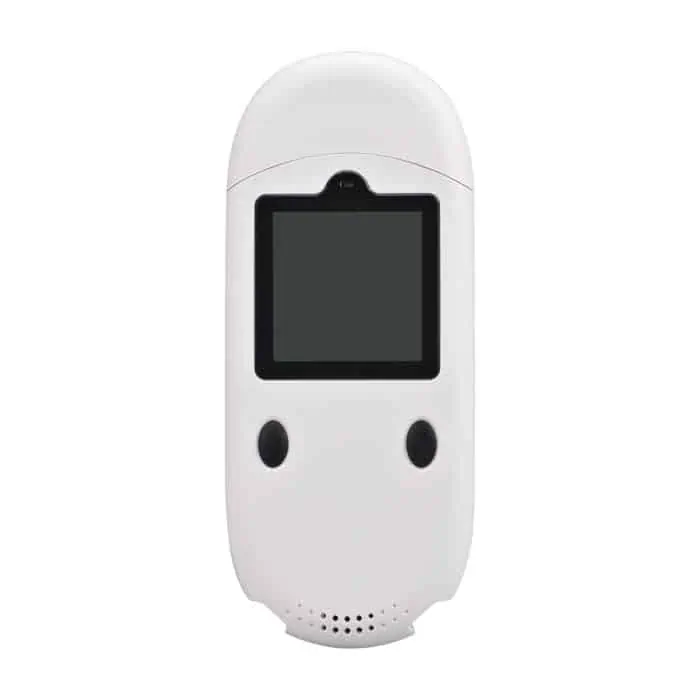
In parallel, our hardware team is prototyping RedCap-enabled boards designed for next-generation asset visibility. These will interface seamlessly with 5G-Advanced networks as carriers expand coverage through 2025-2026. The goal isn’t to replace LTE-M overnight, but to ensure a smooth migration path once RedCap pricing and coverage reach critical mass.
By separating the two product lanes, Eelink can serve both mass-market customers who prize endurance and enterprise clients demanding centimeter-grade precision.
Deep-indoor visibility through sensor fusion
Even without 5G NR positioning, modern firmware can close much of the gap through sensor fusion:
-
Warehouse tracking: Combine BLE Angle-of-Arrival beacons with LTE-M cell timing for sub-100 m granularity across racks.
-
Cold-chain monitoring: Pair Wi-Fi RTT measurements with temperature and humidity models to predict anomalies before thresholds trip.
-
Container logistics: Use GNSS data whenever available and fall back to cell-ID triangulation plus motion inertia sensors (IMU).
This multi-modal approach has proven more cost-effective than waiting for pure 5G precision, and it works today on existing LTE-M infrastructure.
Power management—where engineering makes the real difference
Many assume the standard dictates power life. In reality, firmware decisions dominate energy consumption.
Eelink’s design stack employs:
-
Dynamic sampling intervals that stretch reporting periods when assets remain stationary.
-
Adaptive PSM control, toggling deep sleep durations based on motion events and ambient conditions.
-
Smart wake-up logic, which triggers uplink only when thresholds are crossed—reducing background chatter by over 90 percent.
In pilot deployments, these techniques yield up to a 3× battery extension compared with standard LTE-M firmware profiles.
What this means for customers and partners
For integrators and platform providers, Release 18 changes the context—not the rules.
It signals that precision tracking and mass tracking will diverge technologically, yet converge commercially.
Customers will soon choose between:
-
A ten-year LTE-M tracker that operates anywhere, or
-
A RedCap unit with higher refresh rates and sub-50 m accuracy in connected zones.
Eelink’s job is to make both paths seamless—from hardware design and battery integration to certification and data pipeline alignment.
Looking ahead to Release 19 and beyond
The next 3GPP cycle (Rel-19) is already framing topics like multi-band RedCap aggregation, sidelink extension for industrial IoT, and energy efficiency beyond PSM. As those features mature, RedCap hardware will edge closer to the sweet spot that LTE-M occupies today.
By designing RedCap-ready architectures now, Eelink ensures our customers won’t face abrupt transitions or compatibility gaps. All our next-generation boards are firmware-upgradable for multi-RAT support, so the same device can speak LTE-M today and 5G-Advanced tomorrow.
Final thoughts — from myth to momentum
3GPP Release 18 did not suddenly turn LTE-M into a centimeter-grade positioning technology. What it did was lay the foundation for a broader, more intelligent IoT ecosystem where connectivity types complement each other rather than compete.
The future of asset tracking is hybrid, and it will reward designers who understand how to blend network physics with real-world constraints.
At Eelink, we see Release 18 as a reminder: innovation is not just about adding features to a chipset—it’s about using standards wisely to build devices that last, communicate reliably, and deliver value long after the spec sheet has changed.